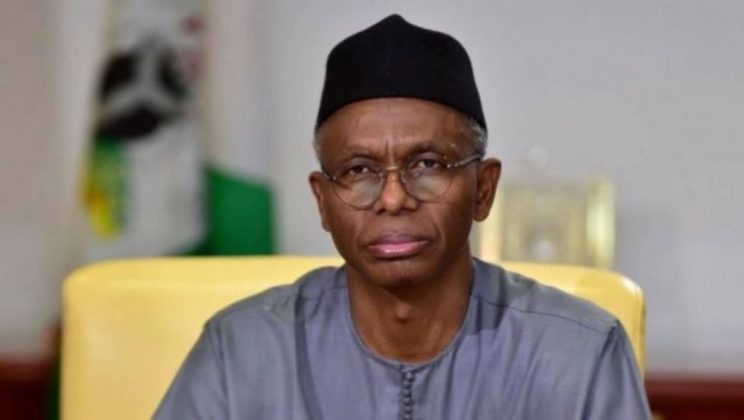
Former Kaduna State Governor, Nasir El-Rufai, has come under renewed scrutiny following testimony in court that he admitted listening to the phone conversations of National Security Adviser (NSA), Nuhu Ribadu.
The revelation emerged during proceedings at the Federal High Court in Abuja, where a prosecution witness, lawyer and activist Deji Adeyanju, told the court that El-Rufai made the admission during a television interview earlier this year.
According to Adeyanju, who said he was present at the television station on the day of the interview, El-Rufai stated that “we listened to the conversations of the NSA,” a remark that has become central to the ongoing case against him.

El-Rufai is currently facing prosecution by the Department of State Services (DSS) over allegations linked to the unlawful interception of the communications of the National Security Adviser.
The charges stem from comments allegedly made by the former governor during an appearance on a television programme in February 2026. Prosecutors argue that the statements amount to an admission of involvement in activities prohibited under Nigeria’s Cybercrimes Act and the Nigerian Communications Act.
During cross-examination, Adeyanju clarified that he did not hear El-Rufai specifically claim that he personally hacked or tapped Ribadu’s phone lines. However, he maintained that the former governor openly acknowledged listening to the NSA’s conversations.

The controversy began after El-Rufai disclosed during a television interview that he and others had access to information from a phone conversation involving Ribadu. He suggested at the time that the conversation revealed plans for his arrest and acknowledged that the interception of such communications was unlawful.
Following the remarks, the Federal Government filed charges against the former governor, alleging unlawful interception of communications and actions capable of compromising public safety and national security. El-Rufai has denied wrongdoing and pleaded not guilty to the charges before the court.
The case has generated significant public interest, raising broader questions about surveillance, privacy rights, and the use of intercepted communications in Nigeria’s political landscape.
With hearings continuing, the court is expected to determine whether the statements attributed to El-Rufai constitute evidence of criminal conduct or political rhetoric taken out of context.
The outcome of the trial could have wider implications for how allegations involving electronic surveillance and national security are handled in the country.