

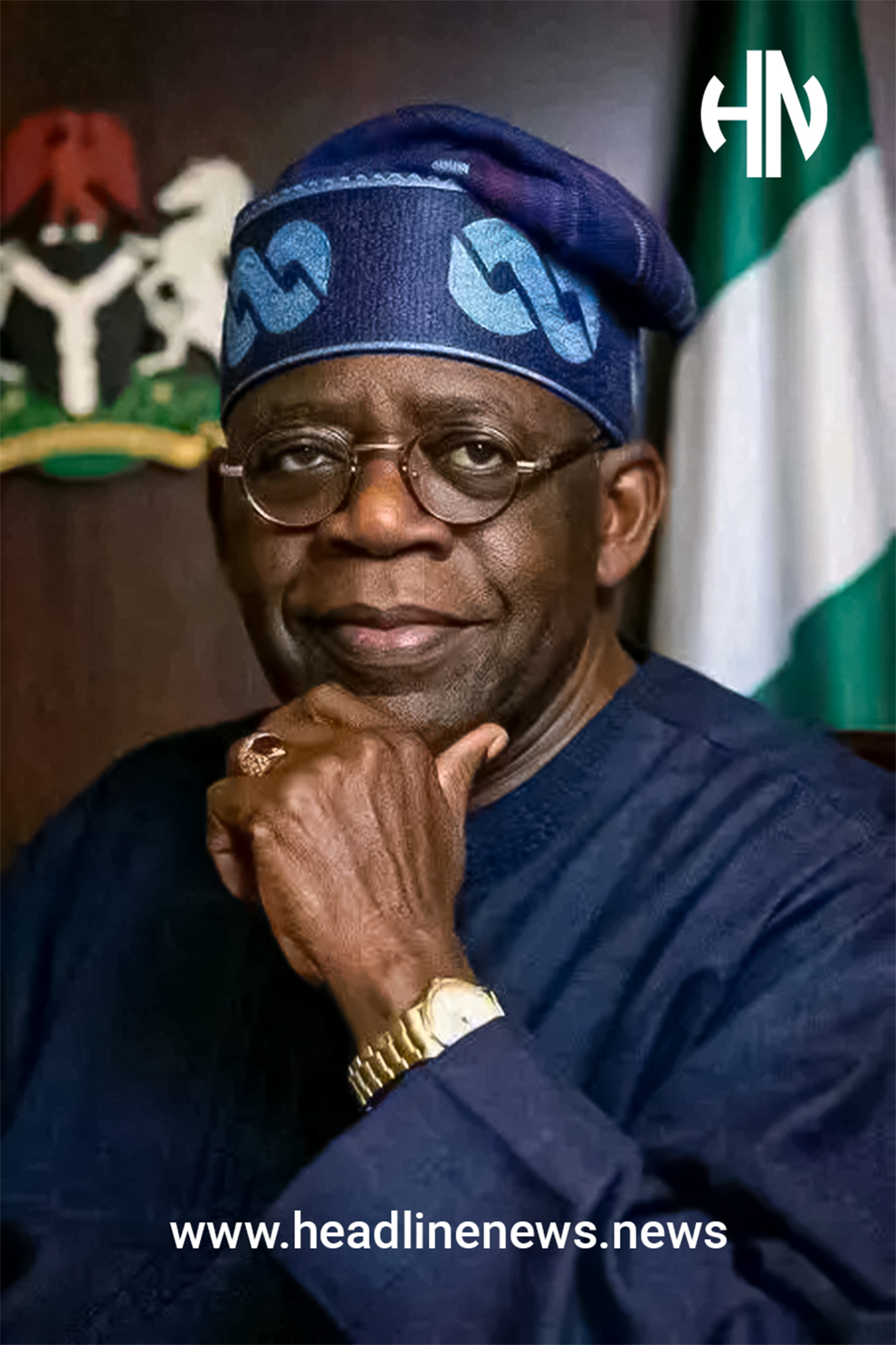
President Bola Tinubu has called on African nations to strengthen cooperation in the management of the continent’s vast mineral resources, urging member states of the African Minerals Strategy Group (AMSG) to adopt a unified approach that prioritises value addition and economic benefits for Africans.
Speaking while receiving a delegation from the group at the Presidential Villa, Tinubu stressed the need for African countries to work together to prevent the continued export of raw minerals without significant local processing and industrial development.

The President said Africa must take greater control of its natural resources by investing in research, technology, refining capacity, and industrial value chains that can generate jobs, boost economic growth, and improve living standards across the continent.
According to him, the continent possesses enormous mineral wealth that should serve as a foundation for industrialisation rather than merely supplying raw materials to foreign markets. He also urged African leaders to eliminate practices that encourage exploitation and weaken the continent’s bargaining power in global resource markets.

Tinubu further emphasised the importance of collaboration among African nations in developing a knowledge-driven economy capable of transforming mineral resources into long-term prosperity.
Earlier, Nigeria’s Minister of Solid Minerals Development and Chairman of AMSG, Dele Alake, praised the administration’s efforts to promote local value addition and economic diversification through the mining sector.
He noted that several African countries are beginning to adopt similar policies aimed at ensuring that more benefits from mineral resources remain within the continent. According to him, some member states have already introduced restrictions on the export of raw minerals as part of efforts to encourage domestic processing and industrial growth.
Alake explained that delegates were in Abuja for the fifth edition of the African Natural Resources and Energy Investment Summit (AFNIS 2026), a gathering focused on advancing cooperation in mineral development, beneficiation, and industrialisation across Africa.
The summit, themed “One Africa, One Resource Vision,” seeks to position the continent as a major force in the global critical minerals market through stronger partnerships and strategic resource management.
Meanwhile, Steron Mining and Company Limited disclosed that it has identified an estimated 3.3 million metric tonnes of lithium reserves at its mining site in Abuja.
The company’s Managing Director, Abu Omar, revealed the figure while hosting participants of the summit during a tour of the facility, which was organised to highlight the growing role of indigenous companies in Nigeria’s mining industry.
Omar explained that visitors were taken through various stages of mining operations, including exploration, drilling, blasting, extraction, and processing activities. He noted that the company currently operates both open-pit and underground mining systems.
He also revealed that the company initially focused on granite mining before discovering commercially viable lithium deposits and more recent occurrences of tantalite.

Describing lithium as a critical mineral for the future, Omar said it plays a major role in battery production and the global transition toward cleaner energy sources.
According to him, the company focuses on increasing the quality of lithium ore through processing before export, thereby adding value locally and supporting Nigeria’s ambition to become a major player in the critical minerals value chain.
Omar further commended government initiatives aimed at increasing local participation in the mining sector, saying the policies have encouraged the growth of indigenous operators while also attracting foreign investment.
The company’s geologist, Bello Damulak, disclosed that exploration activities at the site have identified an estimated 94.8 million metric tonnes of mineral resources, including granite and lithium deposits, which are expected to support future mining operations.




