

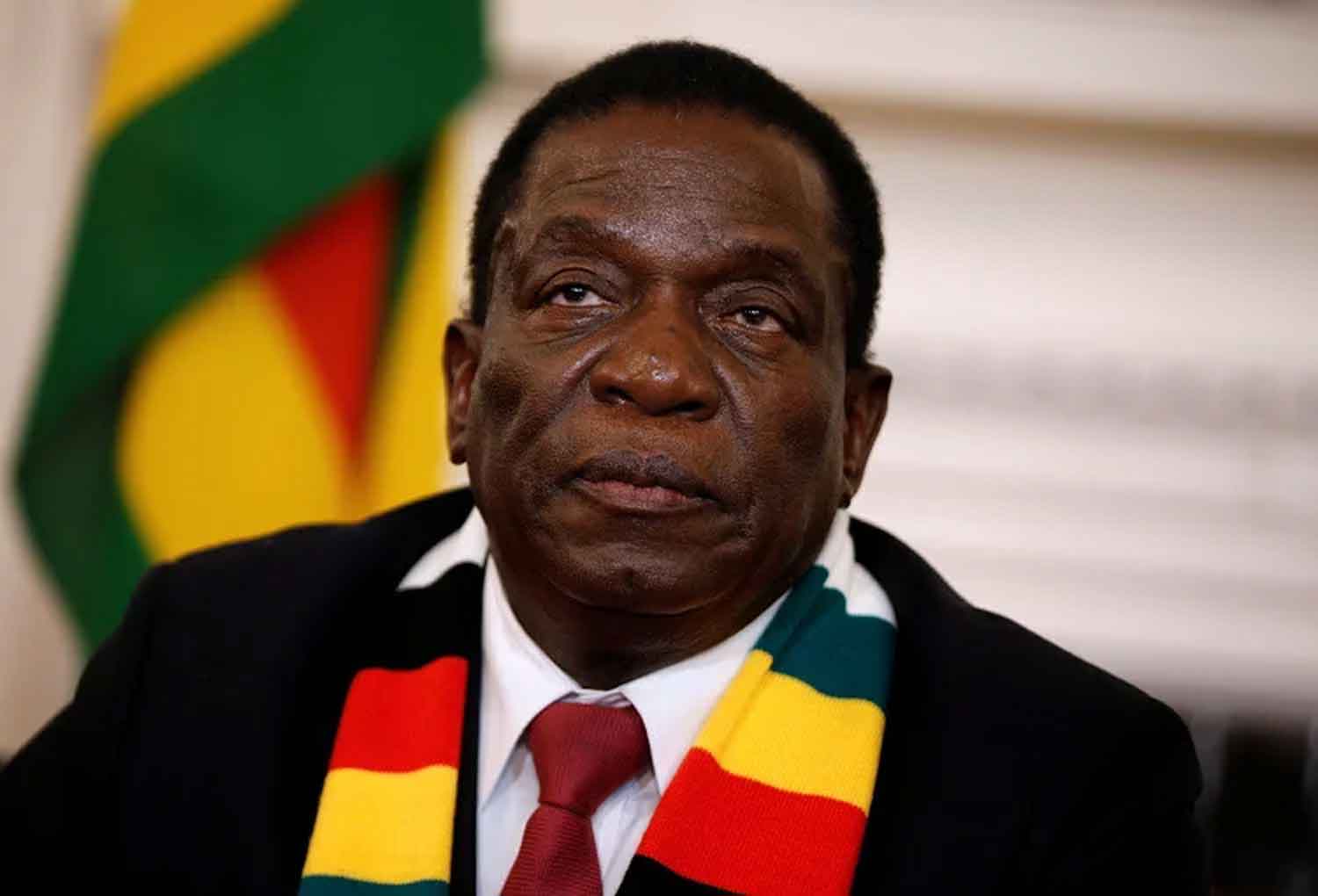
“Zimbabwe’s President Emmerson Mnangagwa has extended his term by an additional 2 years until 2030.
He also abolished the right of citizens to directly elect Presidents. Henceforth, the President will be elected Members of Parliament.
A term has been extended from 5 to 7 years.”
Zimbabwe has introduced significant constitutional and political reforms, with reports indicating changes that would extend the presidential term from five to seven years and modify aspects of the country’s leadership selection process. The developments have reignited debate across Africa on constitutional reform, democratic governance and national sovereignty.
Constitutions are among the most important instruments of nation-building. They determine how power is exercised, how leaders emerge and how governments are held accountable. As societies evolve, many countries review their constitutional arrangements to address changing political, economic and institutional realities.
One lesson from global politics is that there is no universal model of democracy. Different nations have adopted systems that reflect their own history and constitutional traditions. In the United Kingdom, the Prime Minister is chosen from the parliamentary majority rather than through a direct national election. South Africa’s President is elected by members of the National Assembly, while the United States elects its President through an Electoral College instead of a direct nationwide popular vote.

Supporters of constitutional reform argue that every sovereign nation has the right to review its governing framework in accordance with its national circumstances rather than simply replicating political models from elsewhere. They contend that reforms should aim to strengthen governance, institutional stability and long-term national development.
Critics, however, emphasise that reforms affecting presidential tenure or the method of selecting national leaders should be transparent, constitutionally grounded and enjoy broad public confidence. They argue that democratic legitimacy is strengthened when citizens believe constitutional changes promote accountability, effective checks and balances, and respect for the rule of law.
For Africa, Zimbabwe’s reforms are likely to stimulate wider discussions about governance across the continent. While constitutional arrangements may differ from one country to another, the common objective should remain the same: building strong institutions, promoting political stability, protecting citizens’ rights and creating governments capable of delivering sustainable economic growth and national development.
Ultimately, democracy should be judged less by the particular constitutional model a country adopts than by the quality of governance it produces. Whatever system is chosen, its success will depend on whether it commands public confidence, strengthens institutions, upholds the rule of law and improves the lives of ordinary citizens.
Headlinenews Special Report




