

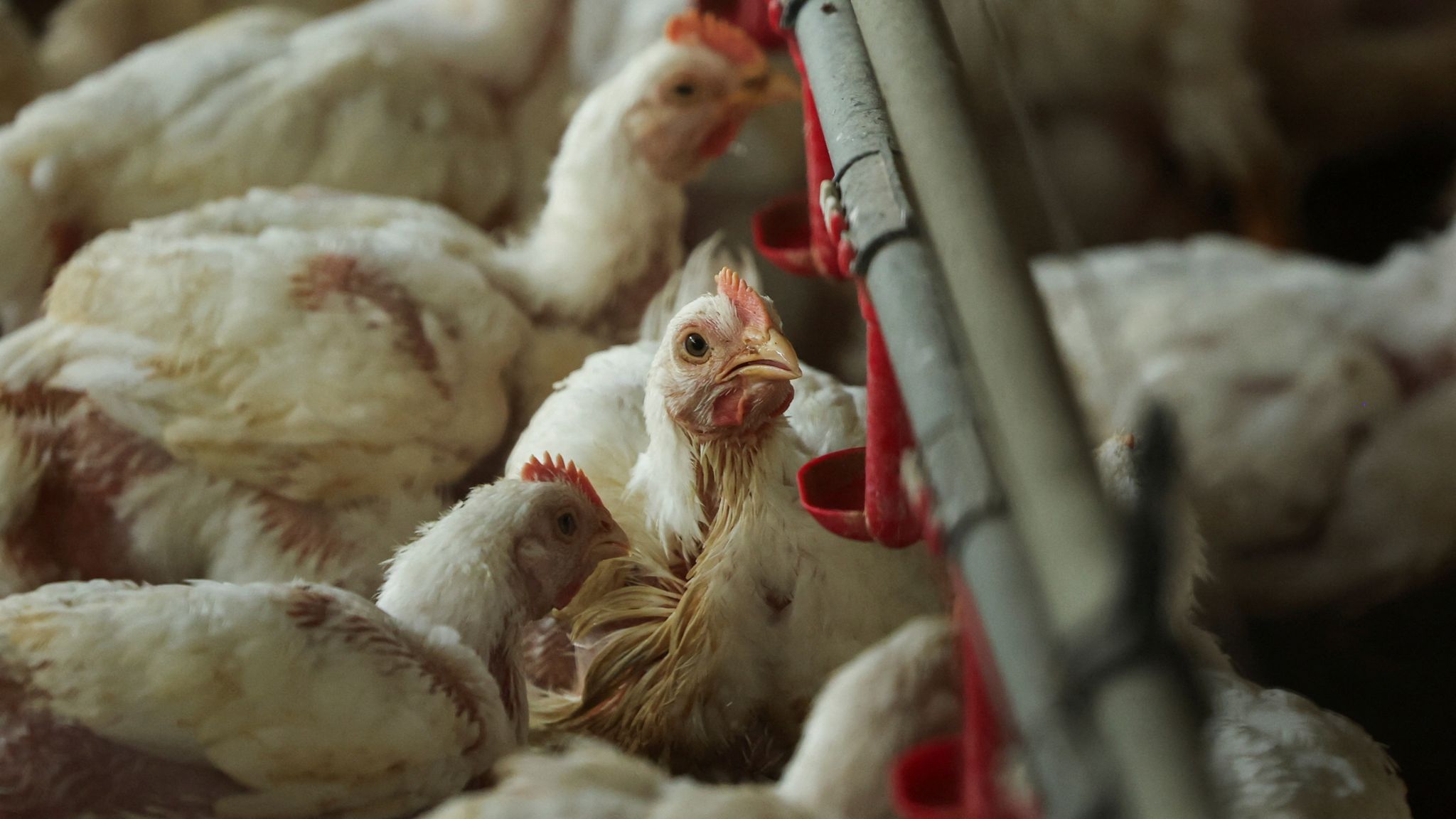
A new scientific study has found that the rapid growth of industrial poultry farming has contributed to a more than 100-fold increase in the spread of Campylobacter, a bacterium responsible for one of the world’s most common foodborne illnesses.
Campylobacter is a leading cause of diarrhoea and food poisoning globally, with researchers linking its increased spread to the massive expansion of commercial chicken farming over the past several decades.

Scientists discovered that the global chicken population has increased seven-fold since the 1960s, reaching approximately 31 billion birds. According to the study, this dramatic growth has created ideal conditions for the bacteria to spread, evolve, and develop new survival mechanisms.
The research involved the analysis of nearly 2,800 bacterial genomes collected from chickens and wild birds across 30 countries between 1979 and 2024.
Genomic analysis revealed that the bacteria have undergone genetic changes that help them adapt to modern poultry farming environments. These changes include traits linked to antimicrobial resistance, allowing the bacteria to survive treatments that would normally eliminate them.

Researchers warned that the increasing resistance to antibiotics is making Campylobacter infections more difficult to treat, raising concerns about future public health risks.
The study also found that once poultry populations become sufficiently large, bacterial strains originating from wild birds can establish themselves permanently within commercial chicken flocks.
According to the researchers, densely populated poultry farms may act as “pathogen sponges,” absorbing and amplifying harmful bacterial strains from different sources before allowing them to spread more widely.

The scientists noted that understanding how modern farming practices influence bacterial evolution is essential for reducing the spread of foodborne diseases and tackling the growing challenge of antimicrobial resistance.

They also highlighted that chickens now account for about 70 percent of the world’s total bird biomass, further increasing opportunities for disease transmission.
The findings add to growing evidence that changes in agricultural practices can significantly influence the emergence and spread of infectious diseases affecting both animals and humans.




