

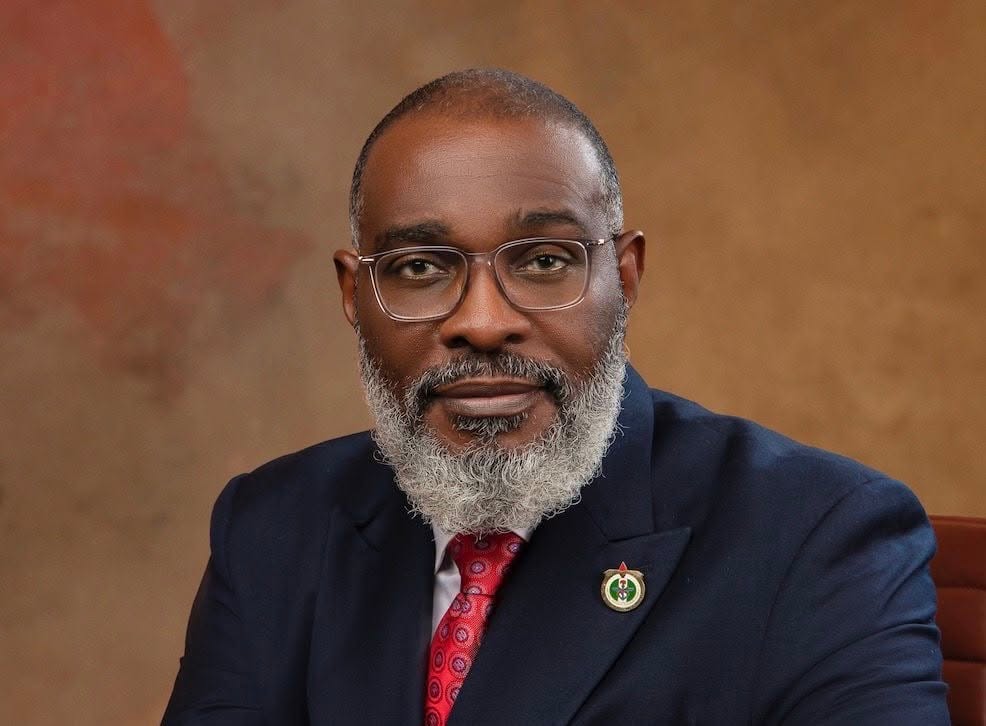
Presidential Aide Unveils Four-Point Plan to Strengthen Nigeria’s Homeland Security
The Senior Special Assistant to the President on Homeland Security, Major General Adeyinka Famadewa (retd.), has unveiled four key priorities aimed at strengthening Nigeria’s homeland security system.
The strategy focuses on introducing a unified surveillance system, improving identity management, strengthening border security, and establishing more effective early warning and emergency response mechanisms.
Famadewa announced the plan after chairing his first meeting with heads and representatives of key ministries, departments, agencies, security organisations and regulatory bodies in Abuja.
The meeting, held at the Office of the Secretary to the Government of the Federation, focused on improving cooperation among institutions and developing practical frameworks to tackle Nigeria’s growing security challenges.
Among those in attendance were the Comptroller-General of Customs, the Controller-General of the Nigerian Correctional Service, the Chief Executive Officer of the Nigerian Financial Intelligence Unit (NFIU), the Corps Marshal of the Federal Road Safety Corps (FRSC), the Director-General of the Office for Strategic Preparedness and Resilience (OSPRE), as well as representatives of the armed forces, intelligence agencies and several government ministries.

According to Famadewa, the first priority is to implement a Unified Surveillance Programme that will improve security monitoring across the country through the use of modern technology.
The second priority is to strengthen identity management to reduce anonymity and make it more difficult for criminals to exploit weak identification systems.
The third focuses on improving border security through better collaboration among security agencies, increased use of technology and intelligence-led operations to combat cross-border crimes.
The final priority is to establish stronger early warning, crisis reporting and emergency response systems to ensure threats are detected quickly and coordinated action is taken before they escalate.
Famadewa said President Bola Tinubu is committed to building a secure, resilient and technology-driven homeland security system capable of addressing both current and emerging threats.
He stressed that achieving this goal would require stronger collaboration, intelligence sharing and coordinated action among all relevant institutions.

The presidential aide also clarified that his office was created to complement the work of existing security agencies, not replace them.
While commending the military and other security agencies for their efforts in maintaining peace across the country, he emphasised the importance of combining military operations with non-kinetic measures that strengthen communities and improve national resilience.
Participants at the meeting agreed that Nigeria’s security challenges require a united approach involving government institutions, security agencies, technology and the active participation of citizens.
The meeting concluded with plans to establish coordination mechanisms, hold regular stakeholder engagements and develop implementation strategies to turn the four priorities into measurable results.
The renewed focus on identity management comes amid growing concerns that terrorist groups and organised criminal networks continue to exploit weaknesses in Nigeria’s digital identity system and use anonymous communication platforms to carry out criminal activities.
Security experts have repeatedly called for stronger digital identity systems, improved data sharing among government agencies and better intelligence capabilities to help combat terrorism, kidnapping and financial crimes while protecting citizens’ privacy.




