Nigeria Spent $4.15bn, N11.35tn on Refineries Before 2021 – PENGASSAN
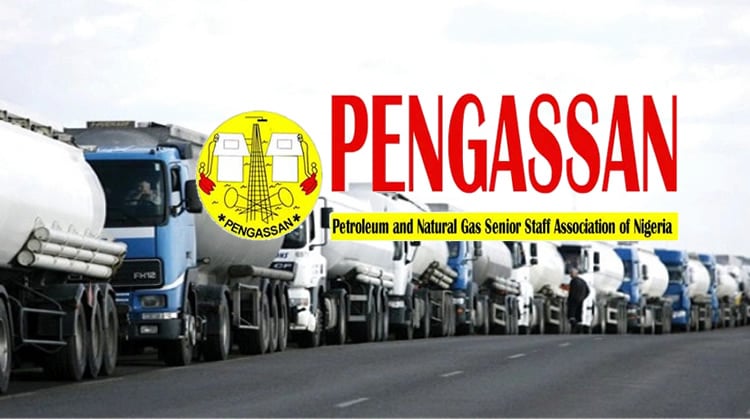
Nigeria spent about $4.15 billion and N11.35 trillion on the Port Harcourt, Warri and Kaduna refineries before 2021, yet the facilities remained largely non-functional, the President of the Petroleum and Natural Gas Senior Staff Association of Nigeria (PENGASSAN), Festus Osifo, has said.
Osifo made the disclosure in Lagos on Monday while speaking about the long-running efforts to rehabilitate Nigeria’s three government-owned refineries.
According to him, Nigerians had been told for years that the refineries were undergoing rehabilitation and turnaround maintenance, but little meaningful work was carried out until new contracts were signed in 2021.

“Until what started happening in 2021, if you interview people that have worked in Port Harcourt, Kaduna and Warri refineries 15 years before 2021, they will all tell you that they have never seen any rehabilitation or any turnaround maintenance compared to what they’ve seen from 2021,” he said.
Records from the Nigerian National Petroleum Company Limited (NNPC Ltd.) and the National Assembly indicate that about $4.15 billion was committed to refinery interventions between 1993 and 2019.
The expenditure covered successive administrations, with allocations ranging from $520 million under the administration of the late General Sani Abacha to about $2.39 billion during the administration of former President Muhammadu Buhari.
The House of Representatives also reported that approximately N11.35 trillion was spent on operating and rehabilitating the refineries between 2019 and 2029.
The figure included about N4.8 trillion for operations, N42.65 billion specifically allocated for rehabilitation between 2013 and 2019, and N191.67 billion deducted from the Federation Account in 2020 and 2021.
Other foreign currency expenditures recorded during the period included $592.9 million, €4.87 million and £3.45 million.
Despite the huge spending, the refineries operated at less than 30 per cent of their installed capacity and were largely unproductive from 2010.
Osifo said the rehabilitation efforts that began in earnest from 2021 represented the first genuine attempt he had seen to restore the facilities to working condition.
He specifically referred to the $1.5 billion rehabilitation contract for the Port Harcourt Refinery signed in 2021, describing the work as extensive.
According to him, the Port Harcourt facility looked more like a construction site during the rehabilitation period, with significant work required before production could resume.
He disclosed that about 90 to 95 per cent of PENGASSAN members working at the refinery were temporarily transferred to various strategic business units of NNPC Ltd. during the rehabilitation.
Osifo explained that the old Port Harcourt Refinery was eventually separated from the new facility because a critical component needed for the new plant had a delivery period of about three and a half years.
The old refinery, he said, was capable of producing products such as Automotive Gas Oil (AGO), Dual Purpose Kerosene (DPK) and aviation fuel, but could not produce Premium Motor Spirit (PMS) to the required specification without additional processing.
He said separating the old refinery from the new facility allowed the older plant to resume production.
However, subsequent management of NNPC Ltd. later determined that the refinery was not economically viable in its existing arrangement because the value of the crude supplied to the facility was not proportionate to the value of the products it produced.
PENGASSAN Backs Equity Partnership
Osifo also expressed support for the proposed partnership between NNPC Ltd. and Chinese investors in the refinery sector.
He said PENGASSAN had consistently advocated an equity partnership model similar to the structure used by Nigeria LNG Limited (NLNG), where private investors have a significant stake while the government retains a minority interest.
Under the proposed arrangement, the Chinese companies would become equity partners rather than simply serving as contractors responsible for maintaining the facilities.
Osifo said PENGASSAN would prefer a structure in which private investors hold up to 51 per cent of the equity, while the government retains 49 per cent.
He argued that such an arrangement would reduce government interference and allow commercial considerations to guide decisions concerning the operation and management of the refineries.
PENGASSAN Resolves Dangote Refinery Dispute
Speaking about the union’s relationship with the Dangote Refinery, Osifo said PENGASSAN had successfully intervened in disputes involving workers at the facility.
He said the union was able to resolve the issues and facilitate the return of about 600 affected employees to their jobs at the refinery.
Osifo said the union would continue to engage relevant stakeholders to protect workers’ interests while supporting efforts to strengthen Nigeria’s refining capacity and reduce dependence on imported petroleum products.