

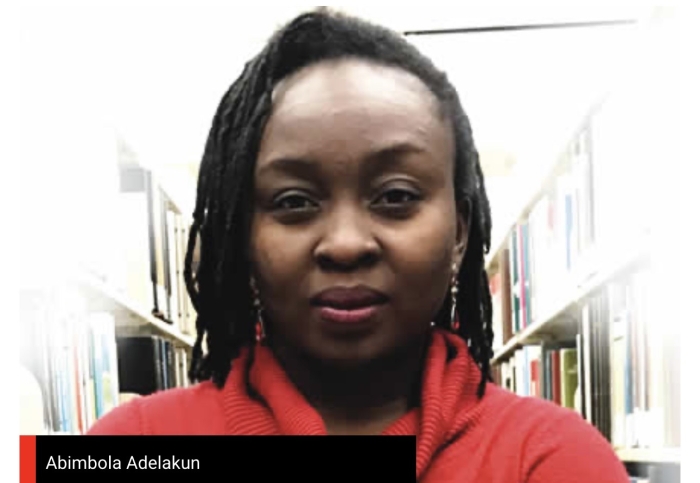
Islamic cleric Sani Jingir’s recent call for Muslims to support a Muslim-Muslim presidential ticket in the 2027 election has attracted criticism. However, columnist Abimbola Adelakun argues that Jingir may have simply said openly what many Nigerians already believe about the role of religion and regional identity in Nigerian politics.
The argument behind the Muslim-Muslim ticket is similar to what was heard during the 2023 election — that a Muslim politician from the South would have a better chance of winning the presidency if he chose a Muslim from the North as his running mate. The assumption was that many northern Muslim voters would be unwilling to support a Christian from the northern minority.
Adelakun notes, however, that Nigeria does not have a strong culture of reliable election polling. Instead, political predictions often rely heavily on religious and regional voting blocs. This makes it difficult to know how Nigerians would actually vote if these assumptions about identity were removed.

She also points out that Jingir made his remarks at a political gathering attended by politicians and religious figures, rather than simply making them during a sermon. In her view, the event had strong political undertones, despite being presented as a religious gathering.
According to Adelakun, Jingir’s comments reflect a broader reality: identity politics is likely to remain an important factor in the 2027 election, just as it was in 2023 and previous elections.
She describes conversations she has had with some Yoruba Muslim friends who support President Bola Tinubu. While they often point to his economic policies and leadership as reasons for supporting him, she says their certainty becomes less obvious when asked whether they would continue supporting him if he converted to Christianity.
Adelakun argues that religion and ethnicity cannot simply be removed from Nigerian politics because political parties often rely on identity to mobilise voters. She traces this pattern through different administrations, noting how religious and regional considerations have influenced political struggles since 1999.
She believes the major factor that could disrupt current calculations for 2027 is the possibility of a Christian candidate winning the presidency, particularly if dissatisfaction with Tinubu’s administration continues to grow.

However, Adelakun’s strongest criticism is directed at what she sees as Jingir’s narrow understanding of religion. She argues that the value of having a Muslim president should not simply be about proving that Muslims have greater numbers or securing political control.
Instead, she believes religious leadership should demonstrate values such as integrity, justice, responsibility, sincerity and discipline, and should ultimately improve the lives of citizens.
She questions the practical benefits of religious politics when many predominantly Muslim northern states continue to struggle with poverty, insecurity, corruption, weak infrastructure and poor social outcomes despite the implementation of Sharia-based laws in various forms.
Adelakun also recalls the debate during the 2023 election over whether Tinubu was sufficiently Muslim, including arguments about his ability to properly recite Islamic prayers. She argues that such discussions focused too much on outward religious identity rather than on whether a political leader actually demonstrates the ethical principles associated with the faith.
For her, the bigger question should not be whether a politician belongs to a particular religion, but whether that person embodies the values of that religion and can use public office to improve society.
Ultimately, Adelakun suggests that Jingir’s remarks have exposed an uncomfortable reality about Nigerian politics: religion and identity remain powerful tools for political mobilisation, but they should not become substitutes for competence, integrity and good governance.




