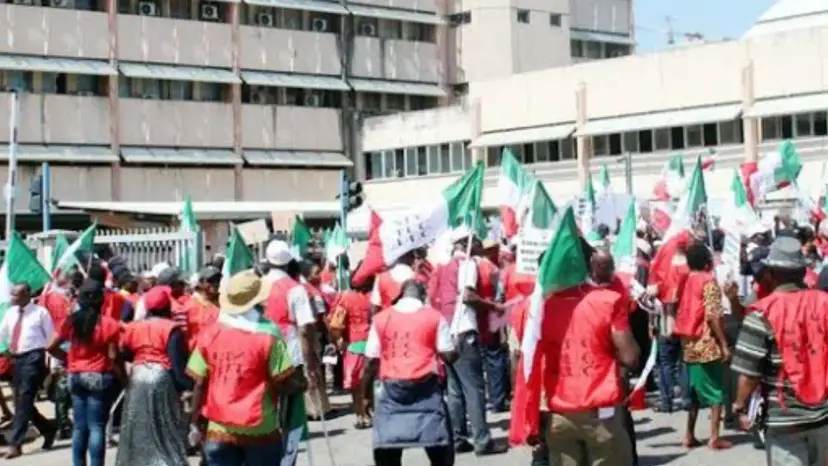
Nigerian workers have commenced a nationwide strike following the Federal Government’s failure to reduce the price of petrol to N500 per litre, a demand that has intensified tensions between organised labour and the government.
The industrial action follows growing concerns over the impact of high petrol prices on the cost of transportation, food, household expenses and other essential goods and services.

The workers are demanding measures that would ease the economic pressure on Nigerians, particularly amid the rising cost of living.
The development comes against the backdrop of continued discussions between organised labour and the Federal Government over the effects of petrol price increases and the broader economic challenges facing workers.
Labour unions have maintained that the high cost of petrol has significantly increased transportation expenses and contributed to higher prices across various sectors of the economy.

The unions are therefore calling on the government to take steps to reduce the pump price and provide greater relief for Nigerian workers and households.
The strike could affect economic activities across the country, depending on the level of compliance by workers and affiliated unions.
Previous disputes between organised labour and the Federal Government over petrol pricing have also resulted in industrial actions, with unions repeatedly calling for measures to cushion the impact of rising fuel costs on citizens.
The latest action puts additional pressure on the government to address labour concerns and find a resolution to the dispute over petrol pricing.
As the strike continues, its impact on transportation, public services, businesses and other sectors is expected to depend on the extent of participation by workers and the outcome of negotiations between labour representatives and the Federal Government.