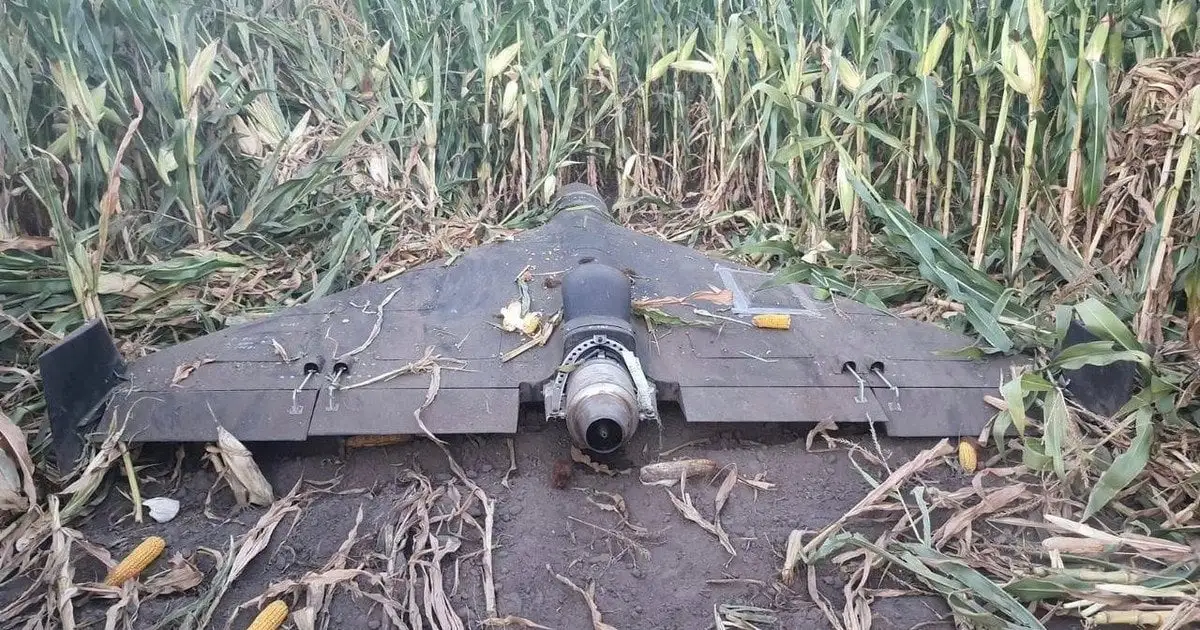
Russia is developing a new generation of jet-powered attack drones capable of reaching speeds of 800 kilometres per hour, presenting a growing challenge to Ukraine’s air defence system. In response, Ukraine says it is already working on countermeasures to address the evolving threat.

According to a report by Euromaidan Press published on 11 October 2026, Ukraine’s Defence Minister, Yevhenii Khmara, said jet-powered Russian Geran drones remain significantly more difficult to intercept than slower, propeller-driven Shahed-type drones.
Ukraine reportedly intercepts more than 90 per cent of the slower drones, compared with approximately 55 per cent of their jet-powered counterparts. The difference highlights the challenge posed by faster aerial threats and the need to improve interception capabilities.
UKRAINE STRENGTHENS ITS MULTILAYERED AIR DEFENCE
Ukraine is relying on a combination of air defence systems rather than a single method to counter Russian drone attacks. These include surface-to-air missiles, shoulder-fired missile systems, automated gun turrets, electronic warfare equipment, interceptor drones and combat aircraft, including Mirage and F-16 fighter jets.

Khmara explained that aviation has become an increasingly effective means of countering jet-powered drones, thanks to improved pilot skills and better coordination. He also noted that Ukrainian forces are using fewer munitions per aerial target as their interception methods improve.
Ukraine has already recorded promising results in specific engagements. In one reported operation, five Bars interceptor drones destroyed five aerial targets, achieving a 100 per cent success rate in that encounter. However, the minister indicated that the broader objective is to improve the overall interception rate and expand the use of successful methods.
GUN TURRETS AND INTERCEPTOR SYSTEMS GAIN PROMINENCE
Ukraine is also expanding its use of heavy-calibre gun turrets, with hundreds reportedly already in service. Work is continuing on systems with greater operational range, while missile-based air defence remains an important part of the country’s response.

The strategy focuses on combining different technologies to improve the chances of detecting, engaging and destroying incoming threats. This layered approach is particularly important as Russia develops drones that can cover distances more quickly and leave defenders with less time to respond.
UKRAINE PREPARES FOR THE NEXT GENERATION OF RUSSIAN DRONES
Beyond addressing the drones currently being deployed, Ukraine says it is preparing for future developments in Russian weapons technology.
Khmara stated that Ukrainian authorities are aware of Russian development efforts involving jet-powered drones capable of reaching speeds of 800 kilometres per hour. According to the minister, work is already under way to identify effective countermeasures against this next generation of aerial threats.

The Ukrainian government is seeking proposals and prototypes from manufacturers to strengthen its defensive capabilities. Its preparations include interceptor drones, aircraft and their munitions, missile and artillery systems, gun turrets, electronic warfare equipment and the maintenance of adequate reserves.
THE GROWING CHALLENGE OF DRONE WARFARE
Russia’s development of faster attack drones underlines the continuing technological competition between the two countries. As the speed and capabilities of unmanned aerial weapons evolve, Ukraine faces increasing pressure to improve interception rates without exhausting its supplies of expensive missiles and other ammunition.
For Ukraine, the immediate priority is to scale up systems that have demonstrated effectiveness while developing solutions capable of countering faster and potentially more advanced drones.
The coming challenge will be whether these defensive improvements can keep pace with Russia’s evolving drone technology and maintain the effectiveness of Ukraine’s air defence network.