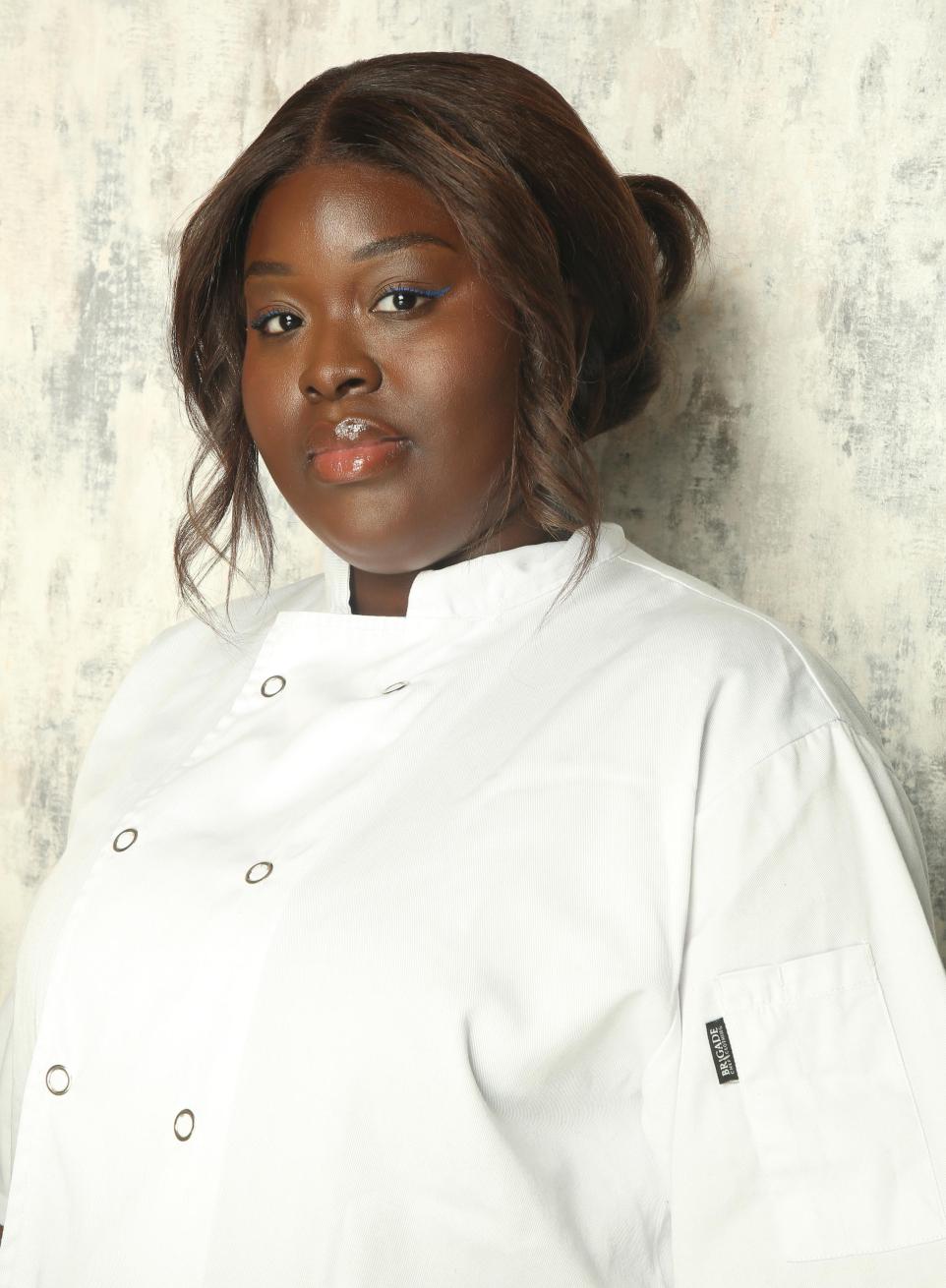
Nigerian-British chef Opeoluwa Odutayo, popularly known as Chef Opy, is bringing African culinary traditions to new audiences through her creative approach to food, culture and storytelling.

Chef Opy recently participated in the Àṣà Mi Supper Club, an event celebrating West African culture, held at Winchester Cathedral Café last weekend. Her work reflects a growing interest in presenting African ingredients and traditional flavours in innovative ways while preserving their cultural significance.
In a candid interview, she discussed her journey into professional cooking, her Nigerian food influences, her career achievements and her ambitions to introduce more people to the diversity of African cuisine.
A GENERATIONAL LOVE FOR FOOD
For Chef Opy, the passion for cooking began at home. She describes herself as the product of a generational love for food, explaining that meals and food traditions were an important part of her upbringing.

Her first attempt at cooking for others was jollof rice, although the result was far from perfect.
“It did not come out right at all!” she recalled, laughing about how her family had to eat the meal with love. She added that the experience remains a reminder that every chef has to start somewhere.
FROM CULINARY SCHOOL TO FOOD BUSINESS MANAGEMENT
Chef Opy’s professional journey has involved continuous learning and experience across different areas of the food industry.
After following the traditional culinary school route, she pursued a master’s degree in Food Business Management to deepen her understanding of the business side of the industry.
She subsequently worked in restaurants, schools and members’ clubs, gaining valuable experience and learning how food operates in different settings.

However, she found greater fulfilment when she began working with Future Plate, where she encountered people who encouraged her to use food as a medium for cultural expression and storytelling.
That experience helped shape her current approach to cooking, allowing her to explore how ingredients, recipes and culinary techniques can communicate heritage and identity.
She also spent three years as a co-owner of an ice cream company, using desserts as another creative platform for showcasing Africa.
CAREER ACHIEVEMENTS AND PERSONAL MILESTONES
One of Chef Opy’s proudest moments was her mother’s presence at her graduation from Westminster, where she graduated as the overall best student approximately nine years ago.

She described the achievement as particularly meaningful, both personally and professionally.
This year also marks ten years of her cooking journey, giving her an opportunity to reflect on her progress and the experiences that have shaped her career.
Another notable milestone was her inclusion in Code 30 Under 30 last year. She admitted that the recognition came as a surprise and made her realise that people were beginning to notice her work and creative contributions.
A DISTINCTIVE NIGERIAN INFLUENCE
When it comes to her signature dish, Chef Opy prefers not to limit herself to one particular meal. Instead, she is drawn to dishes featuring Scotch bonnet peppers and plantain, ingredients that reflect the bold flavours she enjoys.
One of her favourite dishes currently on her menu is suya lamb belly served with plantain purée, herb chimichurri and egusi crumb.

The dish combines spice, texture and richness with elements of Nigerian culinary influence, demonstrating how familiar African flavours can be presented through contemporary cooking techniques.
Her love for Nigerian food extends beyond professional kitchens. Asked about her favourite meal to prepare at home, she admitted that rice remains her biggest weakness.
Whether it is jollof rice, fried rice or plain rice, she says she enjoys every variety.
Despite her creativity in the kitchen, her preferred dinner accompaniment is simply water.
FROM CRAYFISH CHILLI OIL TO AGEGE BREAD YAJI BUTTER
Chef Opy enjoys experimenting with ingredients that bring depth and character to her dishes.
One ingredient currently occupying a permanent place in her culinary repertoire is crayfish chilli oil made with palm oil, which she says pairs well with almost anything.
She also has a particular appreciation for Hampshire lamb, describing it as an ingredient she enjoys working with because of its quality and flavour.

Her approach to food balances traditional African ingredients with fresh ideas, allowing her to explore new combinations without losing sight of their origins.
However, even someone who spends hours creating carefully developed dishes has simpler food preferences outside work.
Chef Opy confessed that noodle cups and McDonald’s are among her guilty pleasures, particularly after an event. After spending so much time preparing food, she sometimes prefers something uncomplicated and fun.
INSPIRATION BEYOND THE KITCHEN
When asked which chef she admires most, Chef Opy said her list was too long to identify just one person.
Instead, she expressed admiration for chefs who remain committed to their craft, continue to challenge themselves and persevere even when their professional journeys become difficult.
Her own ambitions extend beyond running a kitchen. She hopes to transform her creative food ideas into products that people can enjoy in their homes.
She also plans to write a book exploring the diversity of African ingredients and educating readers about their many culinary applications.

For Chef Opy, the ultimate goal is to build something that reaches beyond cooking alone: a platform through which she can share culture, develop products and create a lasting impact through food.
AFRICAN INGREDIENTS COULD SHAPE FUTURE FOOD TRENDS
Looking towards the future of the restaurant industry, Chef Opy believes African ingredients have significant potential to influence contemporary cuisine.
One idea she is particularly excited about is using egusi seeds as a substitute for almonds in macarons and other desserts.
She believes there is considerable room for chefs to experiment with African ingredients beyond their traditional applications, introducing them to new audiences and demonstrating their versatility.
Her vision reflects a wider opportunity to bring African food heritage into contemporary culinary conversations, not simply by reproducing traditional recipes but by exploring new techniques, combinations and possibilities.
Through her work, Chef Opy is demonstrating how Nigerian flavours and African ingredients can inspire innovation, tell meaningful stories and contribute to the evolving international food scene.