

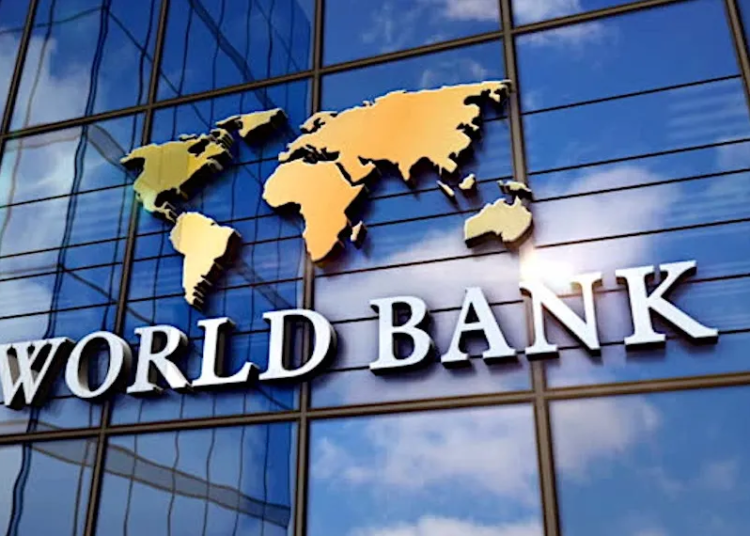
The populations of Lagos, Kano and Onitsha are projected to increase significantly by 2050, according to a new report by the World Bank.
The report, titled Sub-Saharan Africa’s Urban Awakening: Catalyzing Economic Growth and Job Creation, estimates that Lagos will record a population increase of more than 25 per cent, Kano 31 per cent and Onitsha approximately 55 per cent over the next 25 years.
According to the projections, Lagos’ population is expected to rise from 12.8 million in 2025 to 16.2 million by 2050. Kano is projected to grow from 4.8 million to approximately 6.3 million, while Onitsha’s population could increase from 5.6 million to 8.7 million.

Despite its projected growth, Lagos is expected to lose its position as the most populous city in sub-Saharan Africa to Luanda, the capital of Angola.
Luanda’s population is projected to increase by 78 per cent, from 11.4 million in 2025 to 20.3 million by 2050, placing it ahead of Lagos, which is expected to rank second with 16.2 million residents.
Onitsha is also projected to maintain its position among the region’s 15 largest urban centres, ranking ninth by 2050 with an estimated population of 8.7 million. Kano, however, is expected to drop out of the top 15 despite its projected population increase.

Other African cities expected to experience substantial growth include Bamako in Mali, whose population could rise by 80 per cent, and Mogadishu in Somalia, projected to record a 64 per cent increase.
Rapid Urbanisation Presents Economic Opportunities
The World Bank report highlighted the rapid expansion of urban populations across sub-Saharan Africa, noting that the region’s urban population increased from 170.2 million in 1975 to 912.6 million in 2025.
It projected that the region would add approximately 748 million urban residents between 2025 and 2050, creating significant opportunities for economic expansion and job creation.
However, the report warned that population growth must be accompanied by increased employment opportunities and improved labour productivity to prevent declining economic output per person.
It stressed that cities need to become more productive by creating better-paying jobs and improving access to economic opportunities.
World Bank Recommends Infrastructure Investment
The report urged governments to prioritise investments in transportation, affordable housing, road networks and essential infrastructure to accommodate growing urban populations.
For major cities such as Lagos, it recommended developing accessible business and employment centres while improving transport connections between residential areas and workplaces.
It also advised authorities to plan for expansion around city outskirts by establishing road networks and reserving land for essential infrastructure before unplanned development becomes difficult to manage.
The World Bank further called for stronger urban governance, reliable financing and improved accountability to help cities manage population growth effectively.
It recommended modernising property tax systems to increase local revenue, improve the financial capacity of cities and attract private investment through partnerships.
The report emphasised that decisions taken by governments today would shape the economic future of African cities for decades, adding that proper planning and targeted investment would be essential to turning rapid urbanisation into sustainable growth and better employment opportunities.