

The Nigerian Maritime Administration and Safety Agency (NIMASA) has called for stronger international collaboration, technology transfer, and improved climate financing as global leaders prepare for the 11th Our Ocean Conference scheduled to hold in Mombasa, Kenya, from June 16 to 18.

NIMASA said that developing countries, particularly in Africa, will require coordinated global support to successfully transition to net-zero emissions in the maritime sector. The agency emphasized that no single nation can achieve maritime decarbonisation alone without shared resources, partnerships, and technical assistance.
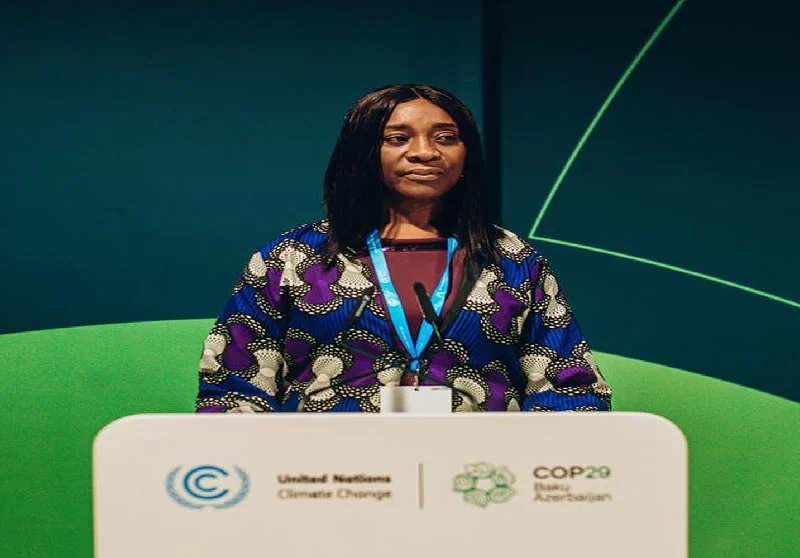
Speaking ahead of the conference, Director of Marine Environment Management at NIMASA, Dr. Oma Ofodile, said Nigeria plans to use the platform to advocate for a fair and inclusive approach to reducing emissions in global shipping.

She highlighted that progress toward greener shipping will depend heavily on access to reliable emissions data, modern technology, and adequate funding. According to her, one of the key lessons from Nigeria’s participation in past climate discussions is the importance of collective action among African nations.
Ofodile recalled Nigeria’s role in promoting an African coalition during COP28 aimed at supporting the International Maritime Organisation’s emissions reduction strategy. She said African countries face similar challenges and would benefit from shared frameworks and coordinated efforts.
She also pointed out that accurate emissions data remains a major gap in Nigeria’s maritime sector, noting that previous studies revealed weaknesses in manual data collection systems. This led to the development of a digital monitoring initiative designed to track maritime emissions more effectively, which she described as one of the first of its kind in Africa.

Beyond data challenges, she stressed that many African ports still lack the infrastructure required for the transition to low-carbon shipping, including smart port systems, shore power facilities, and automated operations. She added that workforce training will also be essential as new technologies and alternative fuels reshape the industry.
Funding, however, remains the biggest obstacle, according to NIMASA. The agency noted that nearly every aspect of maritime decarbonisation—from infrastructure to capacity building—requires substantial financial investment, while many developing countries struggle to access available climate funds due to technical barriers.

NIMASA urged stronger coordination among governments, development partners, and the private sector to ensure that climate finance is more accessible and effectively deployed.
The agency said Nigeria will use the upcoming conference to push for a more equitable global transition that supports developing nations while advancing environmental sustainability and economic growth within the blue economy.




