

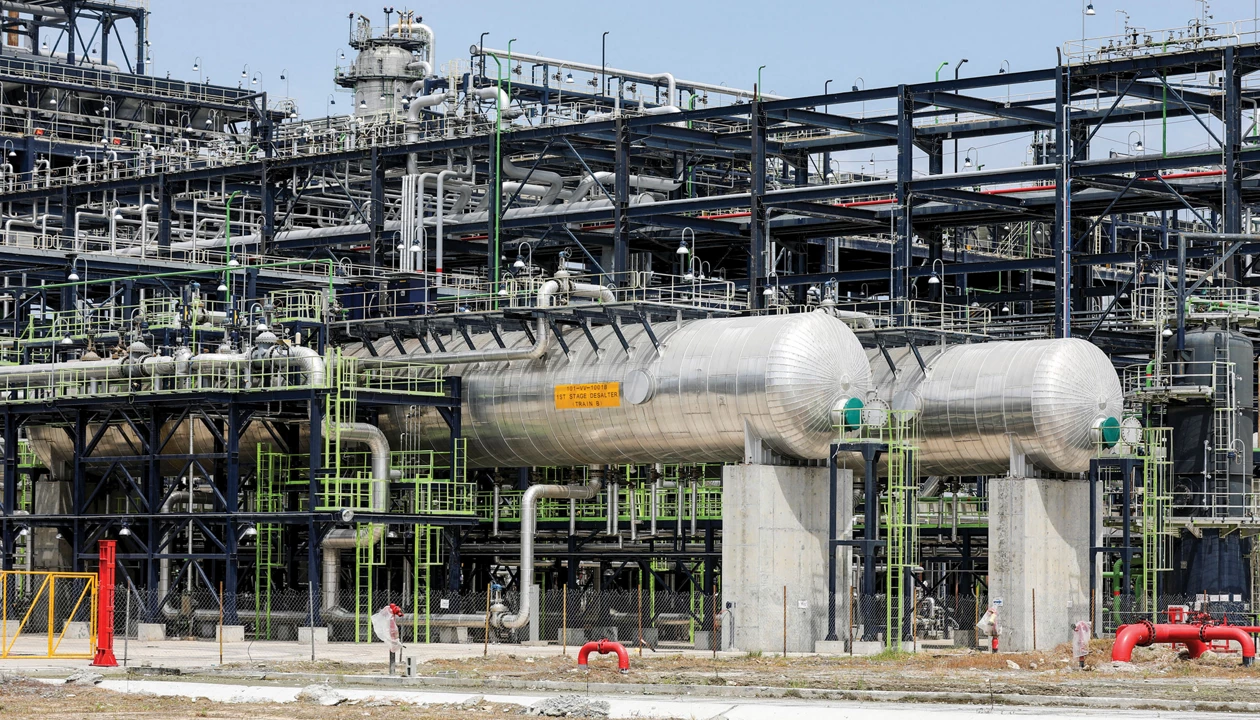
Nigeria has recorded its first known import of crude oil from Libya, marking a significant development in Africa’s energy trade and highlighting Libya’s expanding presence in the continent’s oil market.
Despite years of political instability, disputes over oil revenue, and disruptions to production following the fall of Muammar Gaddafi, Libya remains Africa’s largest holder of proven oil reserves, estimated at about 48 billion barrels.

Recent energy data shows Nigeria imported approximately 64,500 barrels of Libyan crude per day in May 2026, the first documented shipment of its kind since records began in 2013. The development indicates that Libyan crude is now part of Nigeria’s refining supply as the Dangote Petroleum Refinery continues to diversify the types of crude it processes.
Earlier reports in 2024 suggested the refinery was considering sourcing crude from Libya, although Libya’s National Oil Corporation denied holding discussions with any Nigerian refinery at the time.

Libya has also expanded crude exports to neighboring countries. Egypt imported about 33,000 barrels per day in April 2026 after purchasing 57,000 barrels daily in February, while Tunisia bought around 19,000 barrels per day in March and 10,000 barrels daily in May.
Despite securing new markets, Libya’s overall crude exports declined by about 11% to roughly 1.07 million barrels per day in May, their lowest level in several months. Italy remained one of its largest buyers, importing about 348,000 barrels per day during the same period.

Nigeria’s purchase of Libyan crude also underscores ongoing challenges in the country’s oil sector. Although Nigeria remains a major crude producer, domestic refineries have continued to face shortages of locally supplied crude.
Between January and May 2026, Nigeria exported an estimated 148.9 million barrels of crude oil valued at approximately N20.22 trillion, accounting for nearly 69% of its total crude production during the period. The limited availability of domestic crude has forced local refiners to seek supplies from international markets.

In addition to Libyan crude, the Dangote refinery has imported crude grades from Angola, Ghana, Guyana, the United Arab Emirates, the United States, Brazil, Algeria, and Equatorial Guinea as it expands its sourcing strategy to ensure steady refinery operations.
Regional fuel trading has also continued to evolve, with Lomé in Togo serving as a major distribution hub where some Nigerian fuel marketers have reportedly sourced refined petroleum products produced by the Dangote refinery before bringing them back into Nigeria through offshore ship-to-ship transfers.




