

Peugeot has made a return to Nigeria’s automotive landscape after years of decline that once pushed the iconic brand out of widespread local production.
At its height, Peugeot dominated Nigerian roads, with the Kaduna assembly plant standing as a major symbol of the country’s industrialisation drive. However, the fortunes of Peugeot Automobile Nigeria (PAN) deteriorated over time due to falling sales, policy inconsistencies, foreign exchange challenges, rising imports of used vehicles and mounting debts.

By 2012, the company had accumulated liabilities estimated at about ₦30 billion, leading to its takeover by the Asset Management Corporation of Nigeria (AMCON), which acquired distressed assets from commercial banks.
The decline marked the collapse of one of Nigeria’s most prominent industrial ventures, originally established in 1972 as a joint partnership between the Federal Government and France’s Peugeot to support local vehicle assembly.

The Kaduna plant once produced popular models such as the Peugeot 404, 504 and 505, which became widely used across the country for their durability and affordability.
However, economic instability, import dependence, weak industrial policy support and reduced local manufacturing capacity led to a steady shutdown of operations, with production eventually collapsing.
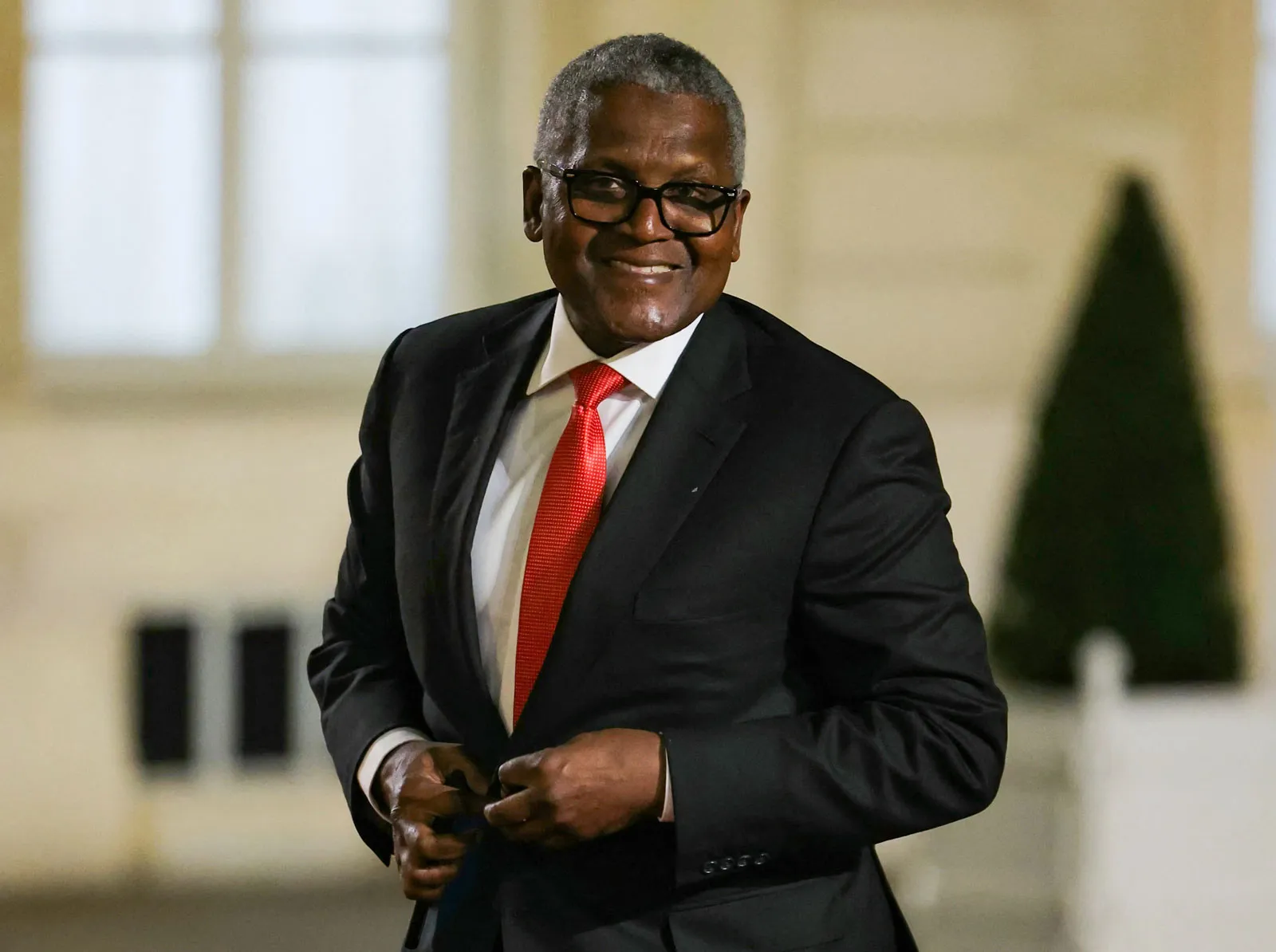
A major turnaround began in 2016 when a consortium involving Africa’s richest businessman, Aliko Dangote, acquired a controlling stake in PAN from AMCON.
The acquisition led to a restructuring of the business and the formation of Dangote Peugeot Automobiles Nigeria Limited (DPAN), following agreements with Peugeot’s parent company, formerly PSA Groupe, later integrated into Stellantis.
Under the new arrangement, DPAN secured rights to assemble and distribute Peugeot vehicles in Nigeria, supported by a modern production strategy focused on local assembly.
A new assembly plant was developed along the Kaduna–Abuja Expressway, where operations resumed in 2022 with the production of the Peugeot 301 sedan.
Since then, the facility has expanded its lineup to include models such as the Peugeot 508, 3008 and 5008, with recent announcements confirming continued local assembly of newer versions of these vehicles.
The plant is designed to produce up to 120 vehicles daily across two shifts, although output is still scaling as the company strengthens operations and market demand.

Industry stakeholders say the revival is part of a broader push to rebuild Nigeria’s automotive sector, which has long struggled with reliance on imported used vehicles despite several policy interventions.
The success of the new Peugeot operations is expected to depend on improving local content, expanding supply chains and boosting consumer confidence in locally assembled vehicles.
While challenges such as infrastructure gaps, foreign exchange constraints and policy instability persist, the return of Peugeot marks a symbolic step toward reviving Nigeria’s manufacturing ambitions.




