

By Headlinenews.news
As Nigeria intensifies efforts to combat terrorism, banditry, kidnapping and other violent crimes, Assistant Inspector-General of Police, Zone 2, AIG Olohundare Moshood Jimoh, has identified another growing threat that rarely carries weapons but is increasingly capable of causing widespread damage—misinformation.
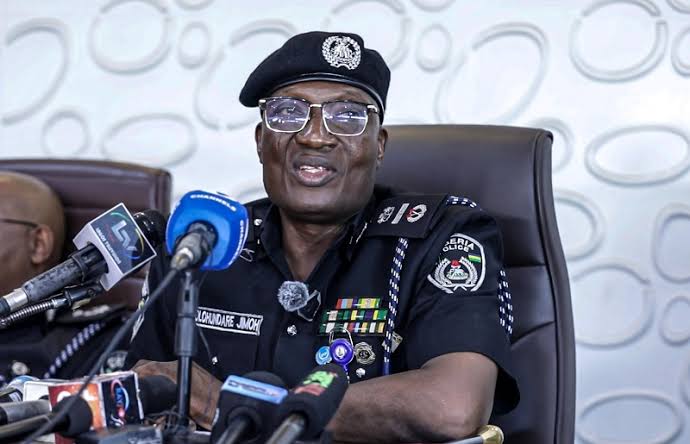
Speaking at the Political Intelligence Summit and Youth-Police Engagement Programme in Lagos, the senior police officer cautioned that false narratives, fabricated stories and unverified social media reports are undermining public confidence, disrupting security operations and creating unnecessary fear across the country.
In one of his strongest public statements on responsible civic engagement, Jimoh urged Nigerians not to confuse accountability with misinformation.
“Criticise us when we are wrong, but verify information before sharing it,” he said, stressing that “the fear of crime is sometimes worse than crime itself.”
His remarks come against the backdrop of an increasingly digital society where information travels at unprecedented speed, often reaching millions before facts can be verified. Security analysts say this trend has created a new operational challenge for law enforcement agencies, with false reports capable of triggering panic, diverting security resources and complicating ongoing investigations.
Rather than discouraging public criticism, Jimoh maintained that democratic policing depends on constructive feedback and institutional accountability. However, he warned that deliberate misinformation weakens the partnership between citizens and security agencies at a time when intelligence sharing has become indispensable in tackling organised crime.

Nigeria’s security environment continues to demand unprecedented cooperation between the public and law enforcement authorities. From insurgency in the North-East to kidnapping, banditry and cybercrime across other parts of the country, timely and credible intelligence remains one of the most valuable assets available to security agencies.
The AIG therefore challenged young Nigerians to become responsible stakeholders in national security by verifying information before dissemination, rejecting sensational falsehoods and supporting community policing initiatives with credible intelligence.
Across the world, police organisations are investing heavily in combating online misinformation because fabricated reports have increasingly disrupted emergency responses, influenced public behaviour and complicated criminal prosecutions. Nigeria is now confronting similar realities, making digital responsibility an important component of modern security management.
Jimoh reaffirmed the Nigeria Police Force’s commitment to professionalism, transparency and continuous improvement, assuring Nigerians that officers remain open to criticism whenever they fall short of expected standards.
His message ultimately strikes a careful balance between two democratic principles: the public’s right to hold security agencies accountable and society’s collective responsibility to protect truth from manipulation.
As Nigeria strengthens its security institutions through intelligence-led policing, military expansion and community partnerships, AIG Jimoh’s appeal carries a timely reminder: national security is not the responsibility of security agencies alone. Every citizen who chooses facts over falsehood and responsibility over rumour contributes to building a safer, stronger and more secure Nigeria.
The National Patriots commends AIG Olohundare Moshood Jimoh for acknowledging that the police must remain accountable to Nigerians while cautioning against the dangers of misinformation. Democracy thrives on constructive criticism rooted in truth, not falsehood. We urge citizens to verify information before sharing it and to work closely with security agencies in building a safer, more peaceful and united Nigeria.
Dr. G. Fraser. MFR
The National Patriots.




