

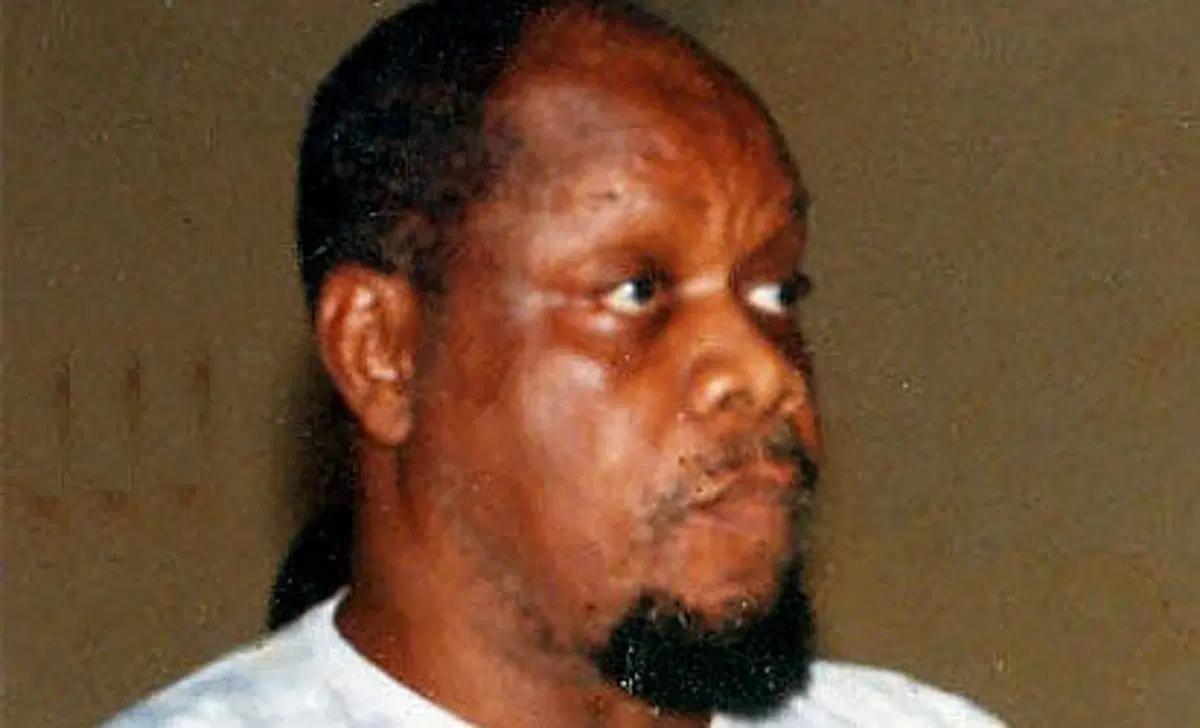
Former Nigerian Head of State, Abdulsalami Abubakar, has shed light on the factors that fueled tensions between former military ruler Yakubu Gowon and former Eastern Region leader Chukwuemeka Odumegwu Ojukwu before the outbreak of the Nigerian Civil War.
In his autobiography, Call of Duty, unveiled during celebrations marking his 84th birthday in Abuja, Abdulsalami recounted that Ojukwu opposed Gowon’s emergence as Head of State following the assassination of Major General Johnson Aguiyi-Ironsi in 1966.
According to him, Ojukwu maintained that military hierarchy should have been respected and argued that Brigadier Babafemi Ogundipe, who was then the most senior officer, ought to have succeeded Ironsi. As a result, he refused to recognize Gowon’s leadership, further deepening political tensions already gripping the country.

The former Head of State recalled that the period was marked by growing ethnic distrust, anti-Igbo violence in parts of Northern Nigeria, and retaliatory attacks elsewhere. He noted that many Igbo residents were forced to flee northern cities and return to the Eastern Region as the crisis intensified.
Abdulsalami explained that Ojukwu believed the Igbo people were being marginalized and victimized, leading him to declare the Republic of Biafra on May 30, 1967. Several attempts to find a political solution, including negotiations and agreements between both sides, failed to prevent the country’s descent into war.

Reflecting on the conflict, he expressed the view that the civil war could have been avoided if there had been more room for dialogue, understanding, and reconciliation. He added that both sides were driven by strong convictions, with one determined to preserve Nigeria’s unity and the other seeking self-determination.
The former military leader emphasized that the war left valuable lessons for the nation and expressed hope that Nigeria would never again experience such a devastating conflict.

He also recounted one of the most difficult battles of the war, describing a military operation around Awka and Onitsha in which a tactical error led to heavy casualties among federal troops. According to him, an assumption that victory had already been secured exposed soldiers to a counterattack that resulted in the destruction of vehicles, fuel tankers, and significant loss of life.
Abdulsalami noted that he survived the incident and described it as one of the most frightening moments of the conflict.




