

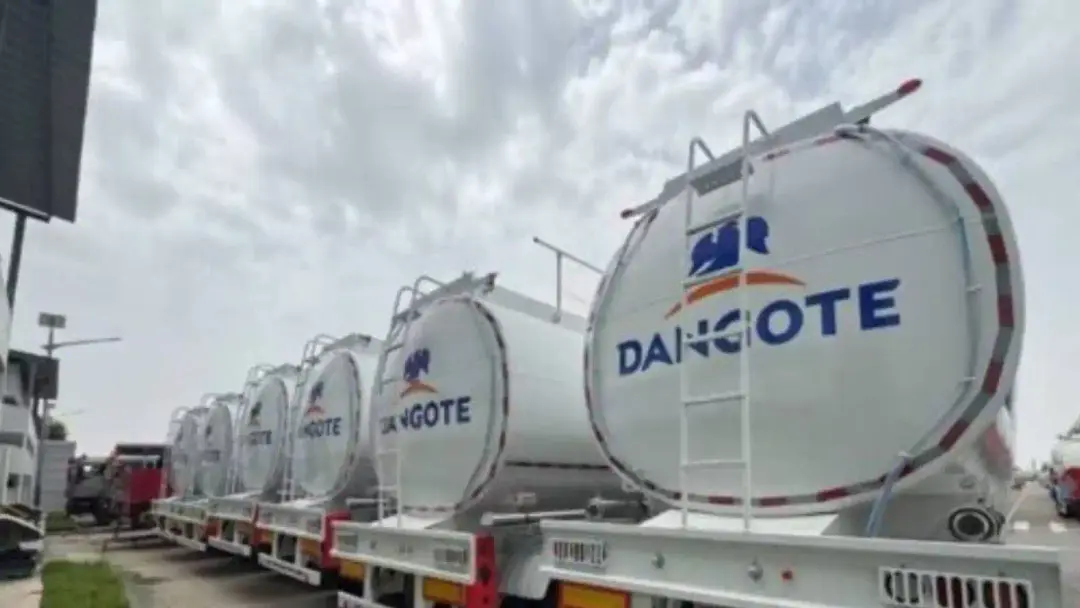
The Dangote Petroleum Refinery has resumed the sale of Premium Motor Spirit (PMS), commonly known as petrol, to oil marketers in naira, a decision expected to reduce foreign exchange pressure on dealers and influence fuel pricing in the country.
The refinery announced the change on Wednesday, reversing its earlier decision to sell petrol in dollars. The previous dollar-based arrangement had raised concerns among marketers over increased operational costs and possible effects on petrol prices.

The company had moved PMS transactions to dollar payments on July 14, citing prevailing market conditions. However, after discussions with industry stakeholders, the refinery returned to naira-denominated sales.
According to the refinery, the current gantry price for petrol has been fixed at N1,215 per litre.
The new rate represents an increase from the previous N1,175 per litre price, creating expectations over how filling stations will adjust their retail prices nationwide.

The development follows concerns raised by the Independent Petroleum Marketers Association of Nigeria (IPMAN) over disruptions to petrol loading activities at the refinery.
IPMAN had earlier disclosed that some marketers temporarily stopped lifting petrol from the facility after loading operations were suspended, forcing some dealers to rely on private depots where products were sold at higher prices.
IPMAN officials welcomed the decision, describing the return to naira sales as a positive step that could eventually support a reduction in petrol prices once marketers begin purchasing products at the new rate.

National President of IPMAN, Abubakar Maigandi, said the association was pleased that the refinery responded to their concerns and expressed optimism that Nigerians could benefit from the development.
However, economic analysts warned that the policy change may not immediately lead to cheaper petrol at filling stations, noting that international crude oil prices and other market factors still play a major role in determining fuel costs.

The Chief Executive Officer of the Centre for the Promotion of Private Enterprise (CPPE), Dr Muda Yusuf, explained that the biggest impact of the reversal would likely be a reduction in pressure on Nigeria’s foreign exchange market rather than an immediate drop in petrol prices.
He noted that while naira-based transactions would reduce marketers’ demand for foreign currency, global crude oil movements and geopolitical issues would continue to affect domestic fuel prices.
With marketers preparing to resume petrol lifting from the refinery, consumers are now watching closely to see whether the latest adjustment will eventually reflect in pump prices across the country.




