

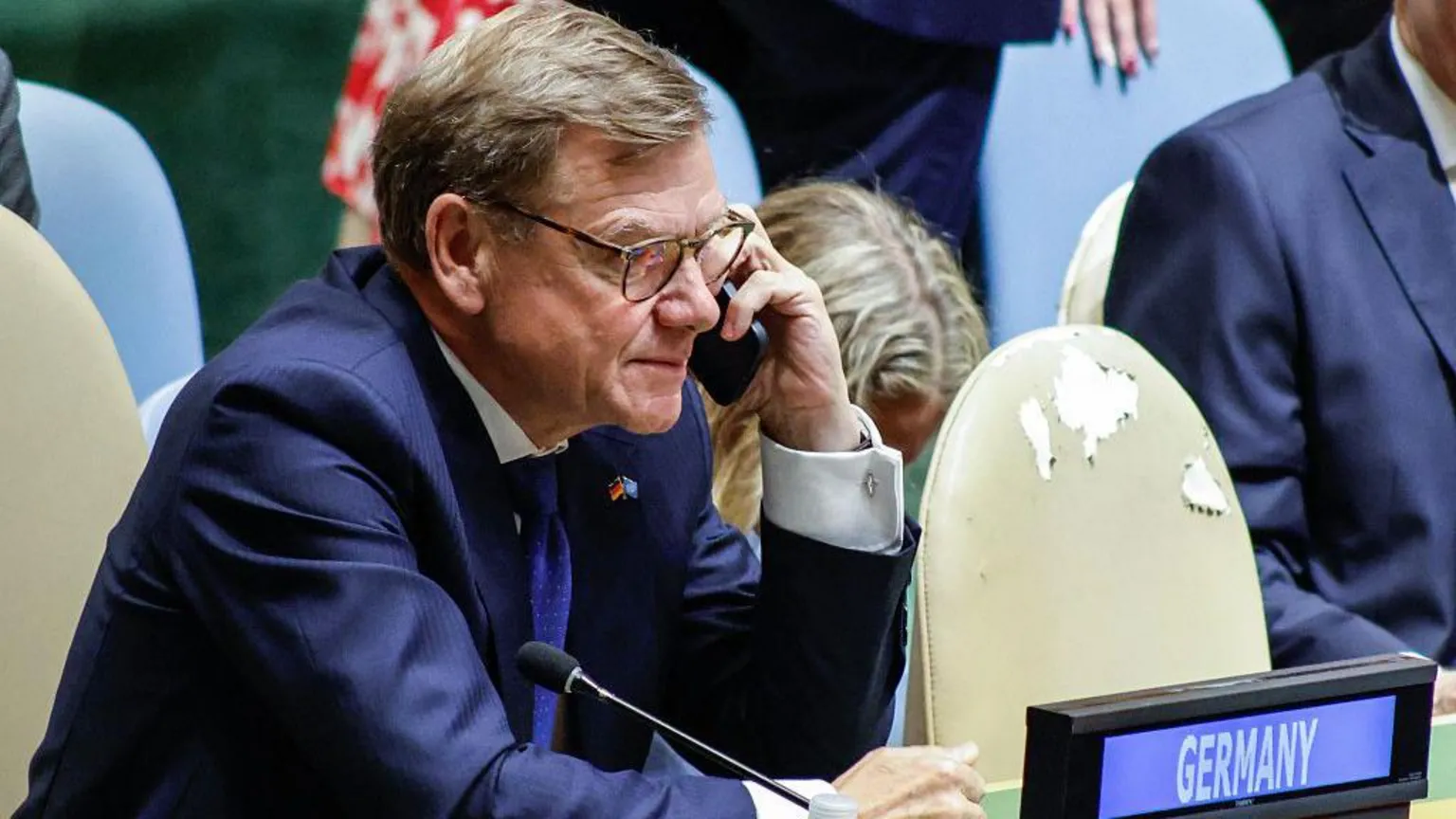
Germany’s Foreign Minister has suggested that the country’s strong backing for Ukraine and Israel may have contributed to its failure to win a seat on the United Nations Security Council.

Johann Wadephul described the outcome as a “painful setback” after Germany lost its bid for one of the rotating non-permanent seats to Portugal and Austria during a vote held on Wednesday evening.

He noted that Germany’s firm positions on key global conflicts, including its support for Ukraine against Russia and its stance on the Middle East, may not have been welcomed by all UN member states. He also pointed to concerns that external political pressure, including alleged Russian influence, could have affected the voting outcome.

The election results saw Portugal and Austria secure the available Western European and Others Group seats, while Germany received fewer votes despite an active diplomatic campaign. Other countries such as Kyrgyzstan, Trinidad and Tobago, and Zimbabwe also secured seats on the council.

The UN Security Council consists of five permanent members and ten non-permanent members elected for two-year terms, and it remains the only UN body with binding decision-making powers on issues such as sanctions and military action.
German Chancellor Friedrich Merz expressed disappointment over the result but reaffirmed the country’s continued commitment to the United Nations and multilateral cooperation.




