

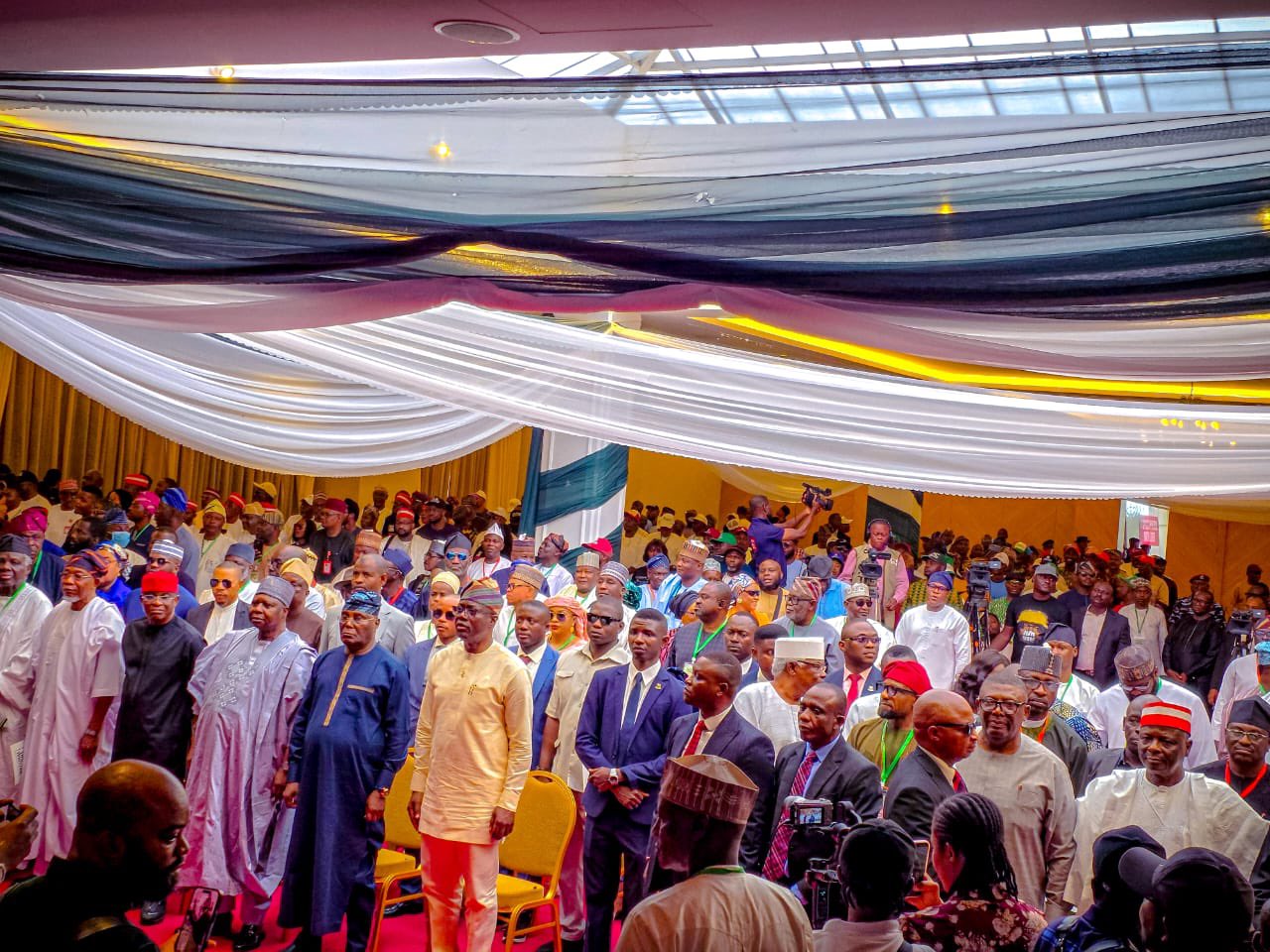
Several factions within major opposition parties have distanced themselves from the recent Ibadan opposition summit, insisting it does not reflect their official positions and reaffirming their intention to field separate presidential candidates in the 2027 elections.

Within the Peoples Democratic Party (PDP), a faction aligned with Nyesom Wike criticised the gathering, describing those who organised it as unauthorised actors. The group argued that prominent opposition figures, including Atiku Abubakar, were misled into attending.
Factions of the African Democratic Congress (ADC) also rejected any link to the meeting, while the Accord Party warned it could take legal action over the alleged misuse of its identity. Similarly, the Labour Party clarified that it was not part of the summit, stressing that its focus remains internal restructuring rather than coalition talks.

The summit, held in Ibadan and attended by key political figures such as Seyi Makinde, Peter Obi and Rabiu Kwankwaso, had proposed a united opposition front with a single presidential candidate to challenge Bola Tinubu in 2027. Participants also raised concerns about the possibility of Nigeria drifting toward a one-party system.
However, the ruling All Progressives Congress (APC) dismissed the summit’s outcome, accusing opposition leaders of political grandstanding. The party also condemned remarks by Governor Makinde referencing the historic ‘Operation Wetie’ crisis, describing them as inflammatory and potentially dangerous.

The ADC, Labour Party, and Accord Party factions reiterated their independence, noting they would pursue separate electoral strategies rather than adopt a unified candidate. Internal disputes and leadership tussles across opposition parties were also cited as major obstacles to any coalition effort.

Despite differing interpretations of the summit’s intent, the development highlights ongoing divisions within Nigeria’s opposition bloc as political alignments begin to take shape ahead of the 2027 general elections.




