

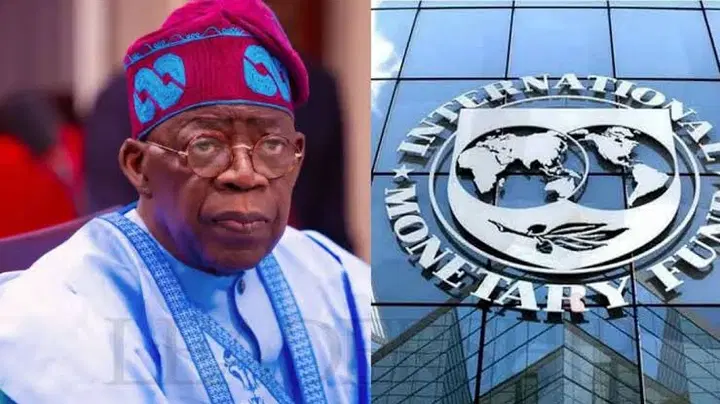
The International Monetary Fund (IMF) has said that recent economic reforms in Nigeria have strengthened the country’s macroeconomic stability, but warned that poverty levels remain deeply concerning, with more than 60 percent of citizens now affected.
 In its latest annual review of Nigeria’s economy released on Tuesday, the IMF noted that policy measures introduced under President Bola Ahmed Tinubu’s administration — including the removal of fuel subsidy, exchange rate liberalisation, and tax reforms — have improved overall economic resilience.
However, the institution stressed that these gains have not translated into improved living conditions for many Nigerians, as economic hardship continues to deepen across the country.

The IMF estimated that about 63 percent of Nigeria’s population lived in poverty by the end of 2025, while more than 27 million people experienced food insecurity during the same period.
It added that although the reforms have produced stronger macroeconomic indicators, everyday conditions for most citizens remain difficult.
The report also highlighted long-standing structural challenges, noting that poverty in Nigeria has been rising for years, with earlier estimates from the World Bank showing that over 60 percent of the population already lived below the poverty line.
According to the IMF, insecurity—particularly in northern regions where much of the country’s agricultural production takes place—continues to pose a major threat to economic activity and food supply.

The Fund also pointed to rising inflation, which reached 15.7 percent in April, as another pressure point, with analysts linking the increase partly to higher fuel and energy costs.
Despite these challenges, Nigeria’s economy is projected to grow by 4.1 percent this year, following an estimated 4 percent growth in 2025. However, the IMF cautioned that rising costs of food, fuel, and fertiliser could worsen inflation and further deepen poverty and food insecurity.

Nigeria is also heading into a crucial election period in January, where President Tinubu is expected to seek re-election for a second term.




