

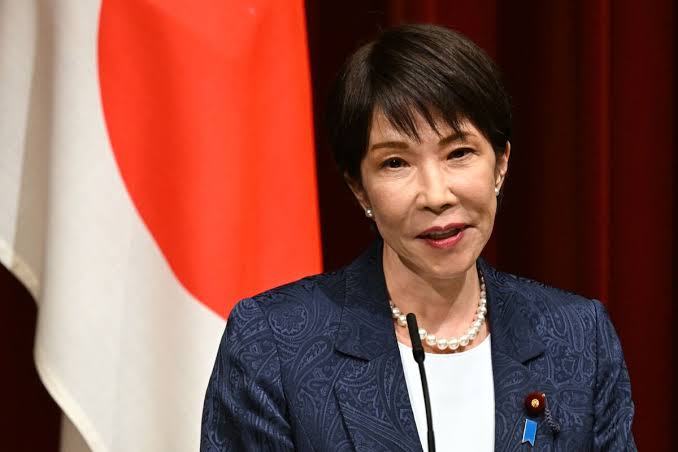
Takaichi faces a year-end deadline to explain how her administration intends to finance several major commitments, including a proposed two-year reduction in food consumption taxes, increased defence spending and a large-scale investment programme aimed at strengthening Japan’s economy.

The government is considering several funding options that could help reduce its dependence on borrowing, including tapping foreign exchange reserves, increasing revenue from the Bank of Japan’s asset sales and recovering unused balances from government funds.
One of the proposals involves transferring a larger portion of the Foreign Exchange Fund Special Account’s surplus into the government’s general budget. The account has benefited from currency movements and higher overseas interest rates, generating additional income for the government.
However, economists have warned that such revenue could decline if international interest rates fall or the yen strengthens, making it an unreliable source of long-term financing.
Another option involves expanding government-backed lending programmes to encourage commercial banks to provide more funding to businesses. The government is also considering covering part of the losses banks may incur when borrowers fail to repay their loans.

Although the arrangement could improve access to financing, analysts have warned that government guarantees could eventually create additional financial obligations for taxpayers.
Takaichi is also looking towards increased proceeds from the Bank of Japan’s sales of exchange-traded funds (ETFs). The central bank has announced plans to raise its annual ETF sales from approximately 330 billion yen to 860 billion yen.
The additional proceeds could increase the bank’s profits and the amount transferred to government revenue, although the final figures would depend on market performance and other financial considerations.
Meanwhile, the administration is reviewing approximately 200 government funds holding an estimated seven trillion yen to identify unused resources and reduce unnecessary spending.
The exercise also includes examining subsidies and tax incentives to determine which programmes can be reduced or discontinued.
However, cutting existing financial support could attract resistance from businesses, political groups and industries that benefit from government assistance.

Takaichi has pledged to keep new government bond issuance around 40 trillion yen, despite record spending requests of approximately 143 trillion yen for the next fiscal year.
Economists have cautioned that relying heavily on temporary revenue sources and financial transfers could create difficulties if those funds become unavailable in the future.
Some analysts have also argued that redirecting resources away from productive investments towards short-term spending could weaken Japan’s economic growth prospects and increase inflationary pressure.
The government is therefore under pressure to demonstrate that its proposed funding arrangements can support its economic ambitions without undermining fiscal stability or investor confidence.