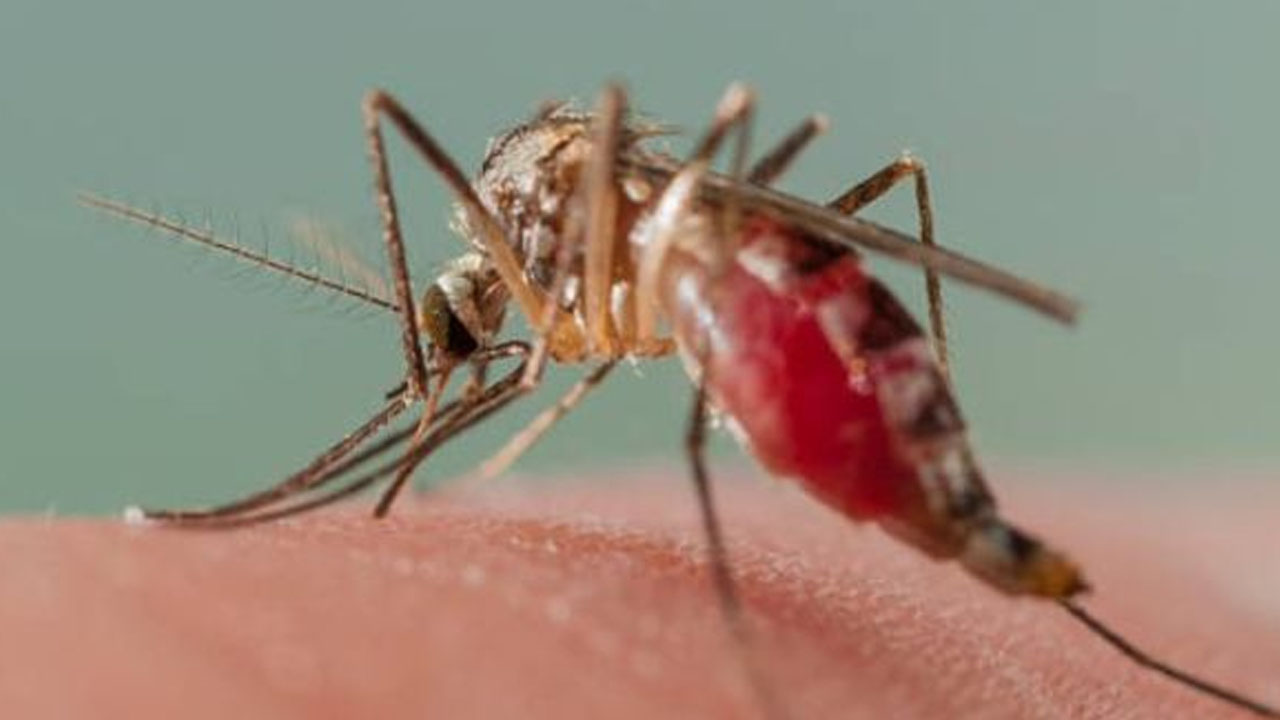
Lagos State Health District V has raised fresh concern over the persistent burden of malaria, revealing that more than 978,000 cases were treated across both public and private health facilities in 2025 alone.
The Permanent Secretary of the District, Dr. Oladapo Asiyanbi, disclosed this during the 2026 World Malaria Day commemoration held at the Amuwo Odofin Local Government Secretariat on April 29, 2026.
He noted that despite ongoing interventions, malaria remains one of the most common health challenges in the state, stressing the need for residents to take personal responsibility in prevention and treatment.
Dr. Asiyanbi cautioned against self-medication and encouraged strict adherence to prescribed treatment protocols, describing proper health-seeking behaviour as critical to reducing malaria cases.

He also highlighted the state’s key malaria control strategy, which focuses on four main pillars: prevention, testing, treatment, and tracking. According to him, the government continues to provide free malaria testing and treatment at public health facilities, alongside the distribution of insecticide-treated nets, rapid diagnostic kits, and effective anti-malaria drugs.
The commemoration, held under the global theme “Malaria is Preventable and Treatable: Together, We Can Eliminate It,” brought together health professionals, private sector representatives, and community stakeholders to strengthen collaboration on malaria elimination efforts.
A key presentation was delivered by the State Malaria Elimination Programme Manager, Dr. Abimbola Oshinowo, who outlined ongoing policies and progress in the fight against malaria. She noted that children under five remain the most vulnerable group, accounting for a significant share of malaria-related illnesses and complications.
Dr. Oshinowo further revealed that the 978,000 treated cases in 2025 underscore the scale of the challenge and the need for sustained public awareness and stronger community participation.
The programme also featured a panel discussion on barriers to test-and-treat adherence, where health experts and community representatives examined issues affecting effective malaria control.
Participants identified challenges such as over-reliance on clinical diagnosis without testing, poor compliance with test results, self-medication, and low awareness levels in communities.
Health professionals at the event called for intensified health education campaigns, improved trust in diagnostic tools, and stronger grassroots engagement to change public attitudes toward malaria treatment.
They also emphasized the importance of environmental hygiene, proper waste disposal, and the elimination of stagnant water sources as key preventive measures against mosquito breeding.
Overall, stakeholders agreed that while progress has been made, eliminating malaria in Lagos will require sustained commitment from government, health workers, and residents alike.