

Previous Broadcast Restriction, Electoral Act 2026 and African Precedents Raise Questions About Political Music, Public Responsibility and Regulatory Accountability
By Princess Gloria Adebajo-Fraser, MFR
The National Patriots has announced its intention to submit a formal petition to the National Broadcasting Commission (NBC), requesting an investigation into allegedly misleading tax-related claims contained in Eedris Abdulkareem’s latest political song, Beg Your Papa.
The petition, scheduled for submission on November 3, 2026, will request a review of the recording against Nigeria’s applicable broadcasting regulations and appropriate lawful action where violations are established.
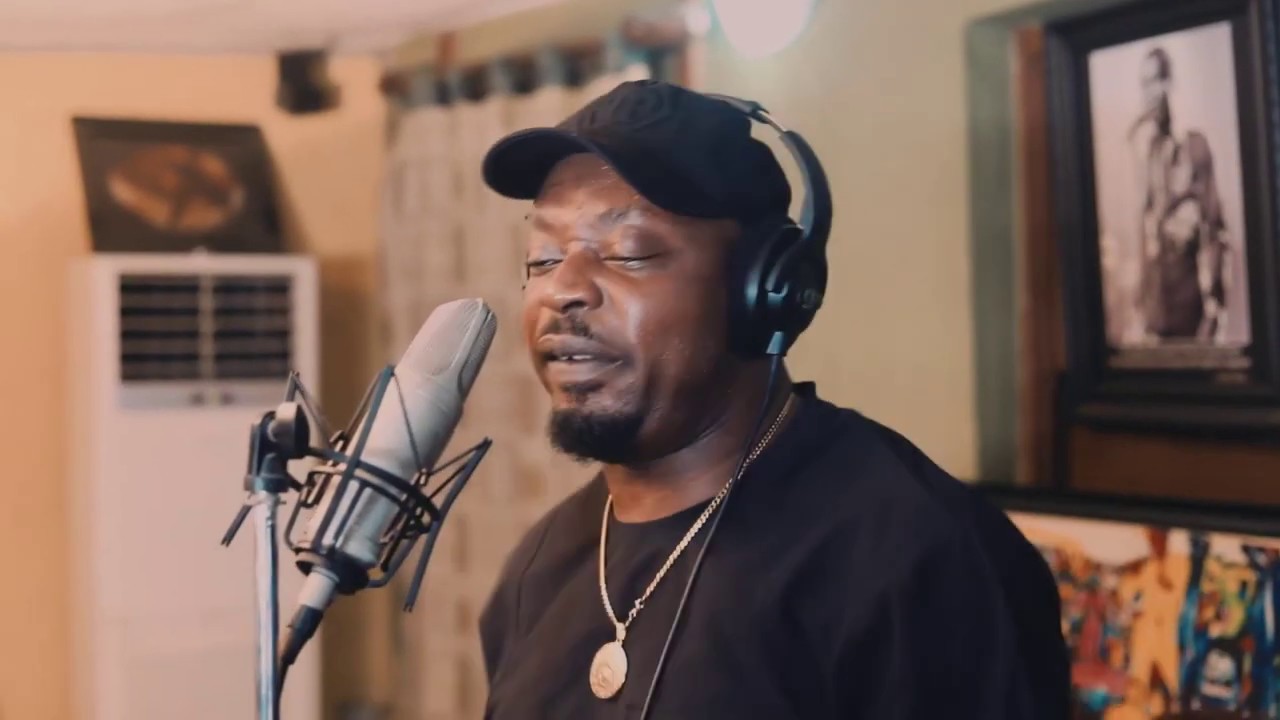
The organisation’s concern centres on reported claims that President Bola Ahmed Tinubu’s administration intends to introduce punitive taxation after the 2027 presidential election, including deductions affecting minimum-wage earners and small traders.
The National Patriots maintains that factual assertions about legislation should be verifiable, regardless of whether they appear in political speeches, social media posts or musical recordings.
WHY THE PETITION IS BEING SUBMITTED
Nigeria’s four major tax reform laws were signed in June 2025, with the Nigeria Tax Act commencing on January 1, 2026.
The legislation exempts statutory minimum-wage earners from personal income tax and provides progressive rates for other taxpayers.
Consequently, the reported suggestion that workers earning the ₦70,000 statutory minimum wage must automatically surrender ₦15,000 monthly in personal income tax is inconsistent with the legislation.
The National Patriots considers it necessary for the NBC to examine the authenticated lyrics and determine whether any broadcast contains factual assertions that breach applicable professional standards.
The petition will also request that the commission consider whether corrections or other proportionate regulatory measures are warranted.
NIGERIA’S BROADCASTING CODE
The Nigeria Broadcasting Code provides the framework for regulating broadcast content, and the NBC previously invoked Section 3.1.8 to classify Abdulkareem’s Tell Your Papa as Not To Be Broadcast (NTBB), although the interpretation and legal validity of that provision have been challenged.
The National Patriots is therefore requesting a fresh assessment under the provisions applicable in November 2026 rather than presuming that an earlier directive automatically justifies another restriction.
APRIL 2025: NBC PREVIOUSLY RESTRICTED ABDULKAREEM’S SONG
On April 9, 2025, the NBC issued a directive concerning Abdulkareem’s earlier political recording, Tell Your Papa.
The directive, issued by Susan Obi, then Coordinating Director of Broadcast Monitoring, classified the song as Not To Be Broadcast and instructed radio and television stations to refrain from airing it.
The commission cited Section 3.1.8 of the Nigeria Broadcasting Code, describing the material as objectionable.
The decision generated substantial controversy.
Media Rights Agenda criticised the restriction as an abuse of regulatory authority, while the Socio-Economic Rights and Accountability Project subsequently instituted legal proceedings challenging its constitutionality.
The previous directive is relevant because it demonstrates the NBC’s regulatory involvement in a comparable dispute concerning the same musician.
However, it does not establish that the new recording has breached the law or that another ban would be constitutionally justified.
WHAT SECTION 127 OF THE ELECTORAL ACT 2026 PROVIDES
Section 127 of the Electoral Act 2026 addresses wrongful voting and specified false electoral statements.
Section 127(c) applies to a person who, before or during an election, publishes a false statement concerning a candidate’s personal character or conduct, calculated to prejudice that candidate’s electoral prospects or promote another candidate, without reasonable grounds for believing the statement true.
The offence carries a maximum penalty of ₦200,000, six months’ imprisonment, or both.
The provision is relevant to discussions about electoral misinformation, but it does not criminalise every inaccurate statement about government policy.

Therefore, the NBC petition must not assume that criticism of Tinubu’s tax reforms, or an appeal to vote against him, automatically constitutes an electoral offence.
The commission’s assessment must instead focus on the actual recording and any applicable broadcasting requirements.
AFRICAN PRECEDENTS: UGANDA’S EXPERIENCE
Nigeria is not the only African country where politically controversial music has attracted broadcasting restrictions.
In September 2012, Uganda’s Communications Commission instructed broadcasters not to play Tugambire ku Jennifer, a song by musician Bobi Wine, pending investigation.
The recording criticised the policies of Kampala’s municipal administration and their effects on poorer residents.
Ugandan regulators maintained that complaints about the song’s allegedly abusive content justified their intervention.
However, the country’s constitutional jurisprudence also provides an important caution.
In Charles Onyango-Obbo v Attorney General, Uganda’s Supreme Court struck down an excessively broad false-news offence in 2004, reinforcing constitutional protection for freedom of expression.
The two examples demonstrate that broadcast regulators may intervene in disputes involving political music, but restrictions must be grounded in law and capable of surviving constitutional scrutiny.
NATIONAL PATRIOTS’ REQUEST TO THE NBC
The National Patriots is requesting that the commission examine the recording, identify any inaccurate factual representations of the tax legislation, and determine whether those statements violate applicable broadcasting standards.
The organisation further requests appropriate lawful action where breaches are established, including proportionate corrective measures.
It also calls upon broadcasters and public commentators to distinguish legitimate political opinions from factual descriptions of statutory obligations.
The National Patriots recognises the right of entertainers to criticise government policies, including President Tinubu’s economic reforms.
Nevertheless, the organisation maintains that demonstrably inaccurate claims about tax exemptions and commencement dates deserve public correction.
The petition will be supported by the relevant provisions of the Nigeria Tax Act and the specific lyrics complained of, subject to authentication.
FOOD FOR THOUGHT
Nigerians should dismiss misleading tax claims presented through political music when those claims contradict the published legislation.
A memorable chorus cannot amend an Act of Parliament, and repeated allegations cannot replace statutory facts.
Freedom of expression protects political disagreement; it does not transform inaccurate claims into established truth.
— Princess Gloria Adebajo-Fraser, MFR
President, National Patriots.
Member APC-PCC Strategic Communications Team.
The legal references supporting this report are:
April 2025 NBC restriction: The NBC classified Tell Your Papa as NTBB, citing Section 3.1.8.
Electoral Act 2026, Section 127(c): The provision specifically concerns false statements about a candidate’s personal character or conduct.
Legal challenge: SERAP filed suit FHC/L/CS/797/2025 challenging the earlier broadcast restriction.
Ugandan precedent: The 2012 Bobi Wine broadcasting dispute provides a relevant African comparison.