

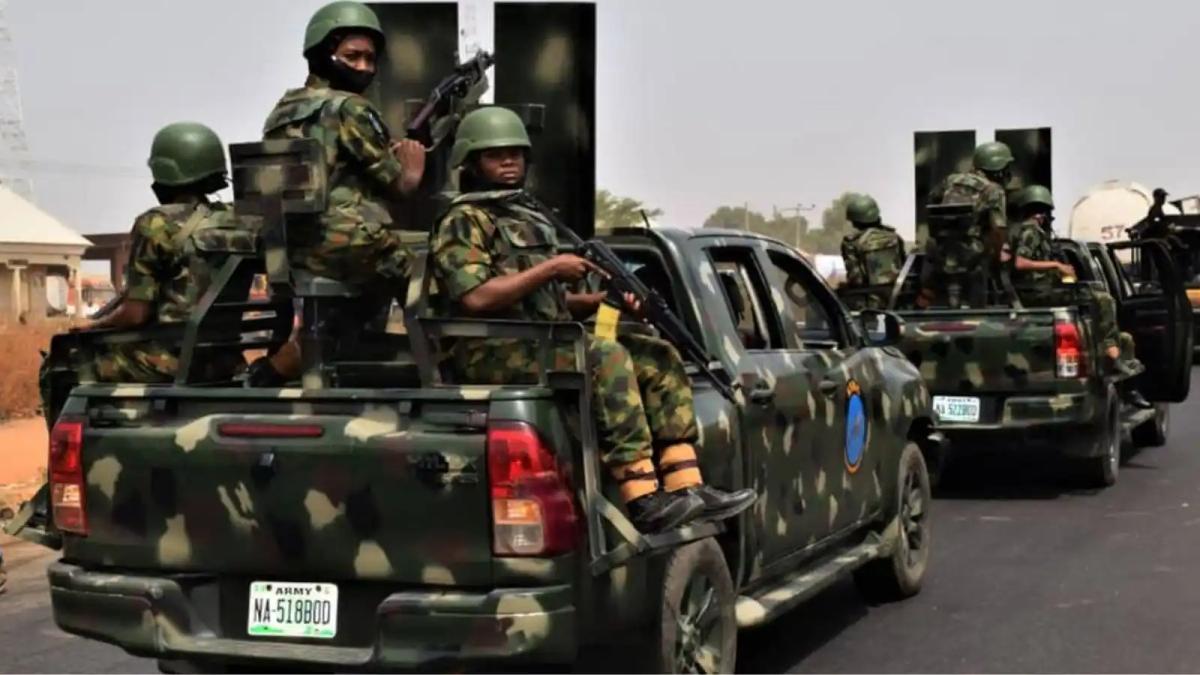
The Federal Government’s decision to create four new divisions for the Nigerian Army is another step aimed at strengthening the country’s fight against insecurity. It follows President Bola Tinubu’s approval for the recruitment of 28,000 additional soldiers.
While many Nigerians have welcomed the move, others have questioned whether the government has the financial capacity to adequately fund and equip the new divisions. Their concerns are understandable, especially as many existing army formations still struggle with inadequate manpower, insufficient equipment, and poor logistics.
Recruiting more soldiers is important, but it should not come at the expense of those already serving. Military personnel deserve proper weapons, ammunition, armoured vehicles, communication equipment and other resources needed to carry out their duties effectively. Serving in the armed forces is an act of national service, not a death sentence.
The expansion of the military is intended to improve security coverage across the country, particularly in remote and ungoverned areas often used as hideouts by terrorists, bandits and other criminal groups. To achieve this goal, government must ensure both the old and new formations are properly equipped and adequately funded.

Beyond recruitment, attention must also be paid to the welfare of military personnel. New recruits will require training facilities, accommodation, uniforms, equipment and other support services. At the same time, serving soldiers deserve better welfare packages, as motivated personnel are more committed and effective in carrying out their responsibilities.
The renewed focus on security should not be limited to the Army alone. The Navy, Air Force and the Nigeria Police Force also require greater investment. Critical waterways, including the Rivers Niger and Benue, remain vulnerable to criminal activities, particularly in border areas where armed groups often move into the country.
The Federal Government should direct the Nigerian Navy to establish more operational bases and increase patrols along these waterways, from the country’s borders to the confluence at Lokoja. Improved maritime surveillance would help reduce the movement of criminals and strengthen national security.
President Tinubu has repeatedly stated that security remains one of his administration’s top priorities. In addition to expanding the Army, he has also announced plans to recruit 50,000 new police officers to improve policing across the country.

However, recruitment alone will not solve Nigeria’s security challenges. The Police Force must also receive modern equipment, improved training and better welfare to enable officers perform their constitutional duties effectively.
At the same time, the debate over state policing should not be ignored. The growing complexity of security challenges has strengthened calls for the establishment of state police. With the right constitutional safeguards to prevent abuse, decentralised policing could improve response times and enhance community-based security.
Ultimately, expanding the size of the security forces is only one part of the solution. Nigeria must also modernise its security architecture, review its national security strategy and ensure security agencies are equipped to respond to evolving threats. Criminal groups continue to adopt more sophisticated methods, and the country’s security system must evolve accordingly if it is to effectively protect lives and property.




