

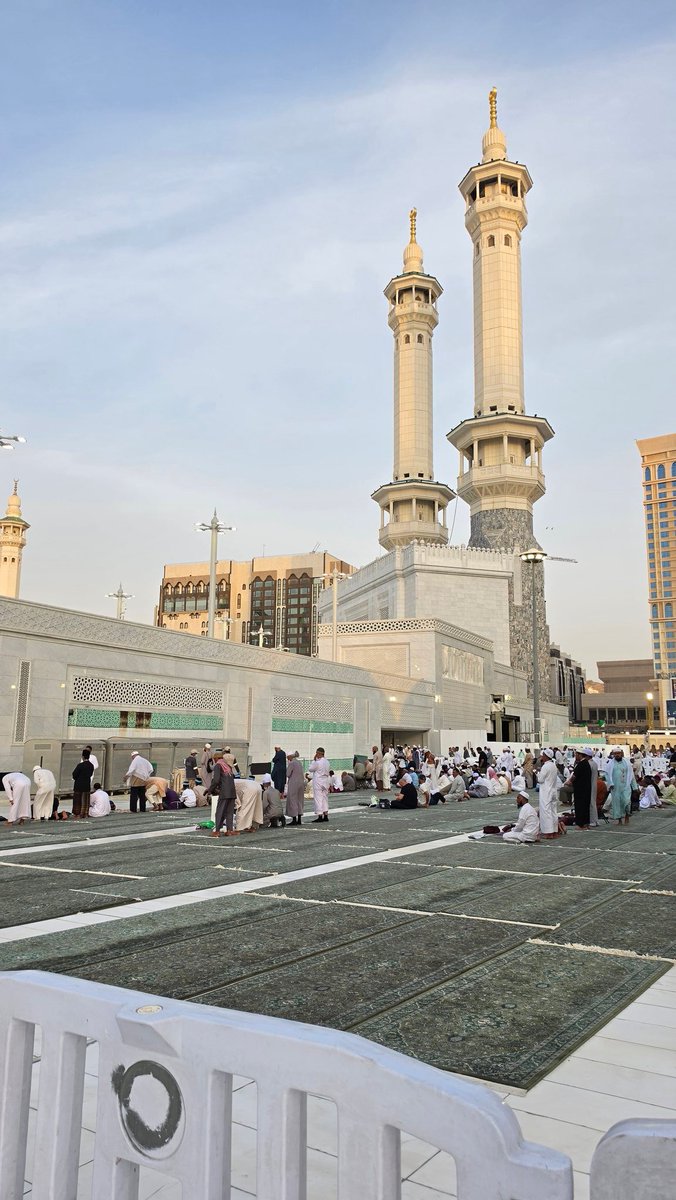
For the first time in modern history, Saudi Arabia is hosting the annual Hajj pilgrimage while also dealing with the realities of an ongoing regional war that has brought direct threats and attacks close to its territory.
The Hajj, one of the five pillars of Islam, is a once-in-a-lifetime religious obligation for Muslims who are physically and financially able to undertake the journey. Every year, millions of pilgrims travel to the holy city of Mecca to perform a series of sacred rituals over several days.
This year’s pilgrimage is scheduled to take place from May 25 to May 29, 2026, with about 1.5 million pilgrims expected to attend. In recent years, attendance has ranged between 1.7 million and 1.8 million people, making it one of the largest human gatherings in the world.
Historians note that in over 1,400 years, the Hajj has only been cancelled or heavily restricted around 40 times, with the most recent disruption occurring during the COVID-19 pandemic in 2020.

Organising the Hajj has always been a massive logistical challenge for Saudi authorities. Managing millions of pilgrims within a short period requires extensive planning involving security, transportation, accommodation, healthcare, food, water supply and crowd control, particularly under extreme heat conditions that have previously caused fatalities.
This year, however, those challenges have been intensified by the ongoing conflict involving Iran, which began earlier this year following military actions involving the United States and Israel. Although a ceasefire is currently in place, tensions remain high, especially after Saudi authorities reportedly intercepted drones believed to have been launched by Iran-backed militias in Iraq.
Several countries, including the United States, Germany, and United Kingdom, have issued travel advisories warning citizens about the security situation in Saudi Arabia during the pilgrimage period.
Despite the concerns, many Muslim pilgrims have continued with their plans. Religious leaders and Muslim organisations say many believers view the Hajj as a deeply spiritual obligation rather than an ordinary trip, making cancellations unlikely even amid uncertainty.

Officials from countries with large Hajj contingents, such as Indonesia, initially advised caution earlier in the year but later approved pilgrim departures after reviewing the situation. Indonesia alone is expected to send more than 220,000 pilgrims this year.
Experts believe it is highly unlikely that Iran would deliberately target Hajj sites because of the religious significance of Mecca and the presence of thousands of Iranian pilgrims participating in the pilgrimage. However, analysts remain concerned about accidental incidents, including missile debris, drone malfunctions or regional military escalation affecting nearby areas.
Saudi Arabia has reportedly strengthened security around holy sites, deploying advanced air defence systems, including Patriot missile batteries and anti-drone technologies, to protect pilgrims throughout the event.
The conflict has also increased the financial burden on pilgrims. Rising fuel prices, longer flight routes caused by restricted airspace, inflation, and higher travel insurance costs have pushed up the overall cost of the pilgrimage this year.
Travel insurance has become another concern, as many policies do not cover incidents linked to war or military conflict unless travellers purchase additional coverage.
Despite the security and economic pressures, Saudi authorities insist preparations for the Hajj remain on track, with safety and the smooth movement of pilgrims continuing to be their top priorities.




