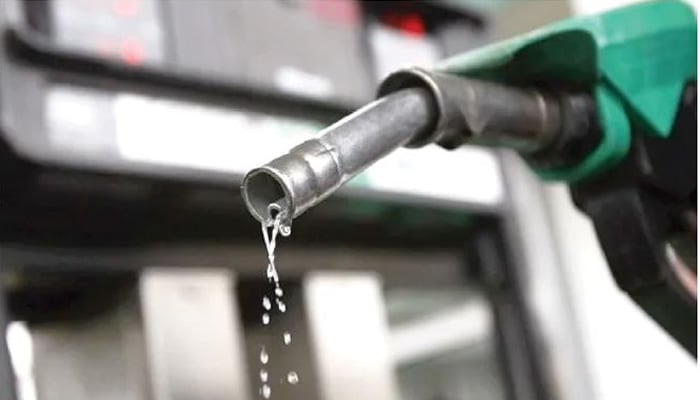
Hopes of a significant drop in petrol prices in Nigeria have taken a hit following Iran’s decision to shut the Strait of Hormuz again, barely a day after reopening it.
The strategic waterway had briefly reopened on Friday after a ceasefire agreement between Iran and the United States, raising optimism that global oil supply would stabilise and bring relief to fuel prices. However, that optimism was short-lived, as Iran quickly reversed the move, citing the continued US blockade of its ports.
The Strait of Hormuz is one of the most critical oil routes in the world, responsible for about 20 percent of global oil shipments. Any disruption to its operations typically sends shockwaves through global energy markets. Recent developments have already triggered renewed volatility, with oil prices climbing again after an initial drop during the ceasefire window.

Fuel marketers in Nigeria had earlier projected that petrol prices could fall from around ₦1,250 per litre to about ₦900 if the reopening had been sustained. That expectation was based on a temporary dip in crude oil prices when the route was briefly accessible.
However, with the renewed closure, those projections have now been put on hold. Industry players say the current price regime is likely to remain for now, especially as uncertainty continues to dominate the global oil market.

Despite the shutdown, there has not yet been a dramatic spike in oil prices. Brent crude has hovered around the $90 mark, reflecting a cautious market reacting to both geopolitical tensions and ongoing negotiations.
Meanwhile, tensions between Iran and the United States remain high. Washington has accused Tehran of violating the ceasefire by attacking vessels in the Strait, while also threatening further strikes on Iranian infrastructure if a deal is not reached.
With the ceasefire set to expire soon and negotiations still uncertain, analysts say the direction of fuel prices in Nigeria will largely depend on how the situation in the Middle East unfolds in the coming days.