

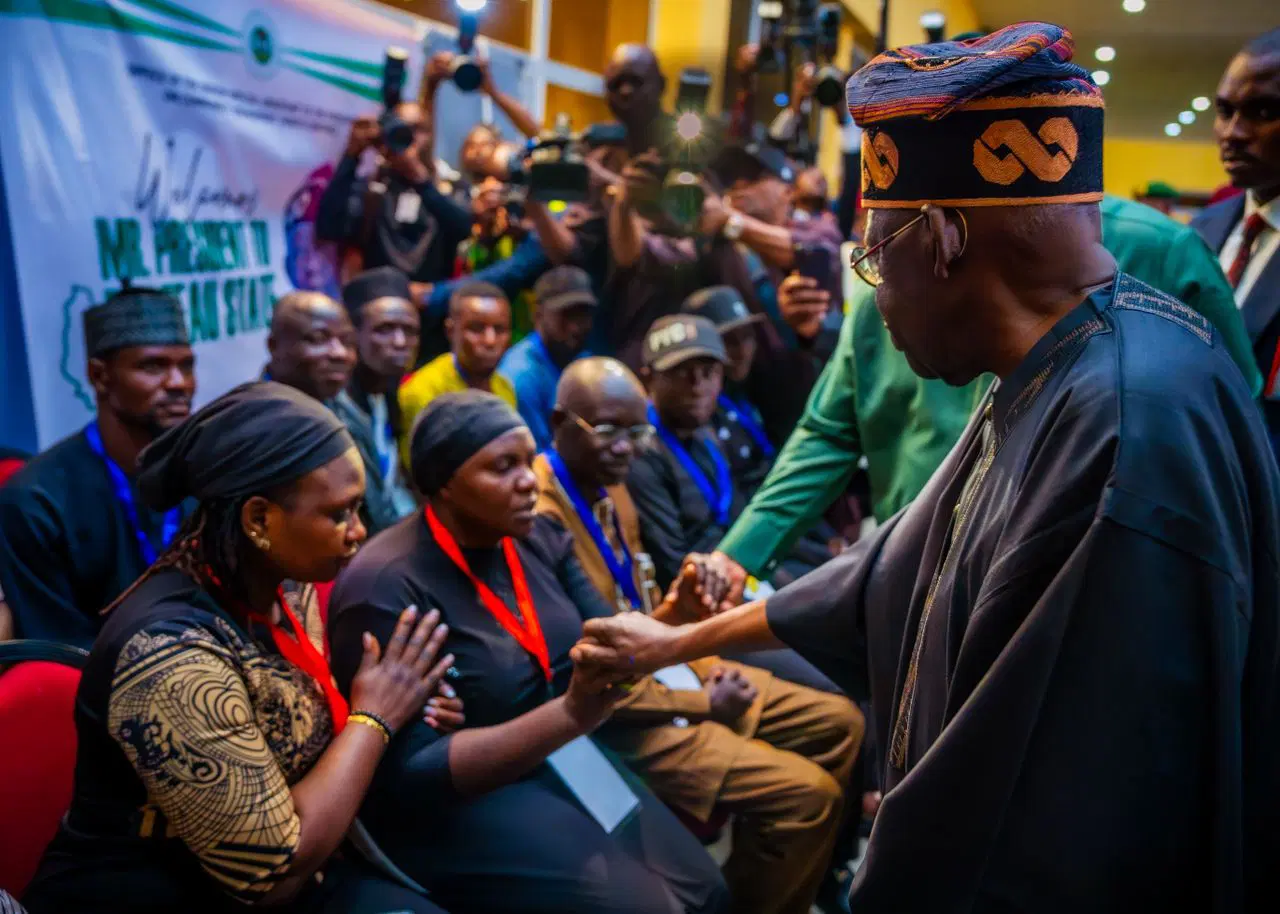
In Plateau State, decades of investigative reports documenting communal violence have failed to prevent repeated outbreaks, leaving residents trapped in cycles of fear and loss. Successive commissions, spanning more than 30 years, have examined the root causes of violence—ranging from land disputes and political exclusion to ethnic and religious tensions—yet their recommendations remain largely unimplemented.

From the 1994 Fiberesima Commission to panels in 2001, 2004, 2008, and 2010, no fewer than seven major inquiries have been established to analyze the recurring crises. These bodies gathered testimonies from victims, witnesses, and community leaders, highlighting the structural issues driving conflict. Despite the depth and consistency of their findings, reports were rarely published, debated, or translated into effective policies, leaving communities exposed to further outbreaks.

The violence in Plateau is complex and multi-layered. Indigenous Christian communities like the Berom, Afizere, and Anaguta coexist alongside Hausa-Fulani and other groups. Competition for land, political representation, and state resources often escalates into conflict, with disputes over appointments or elections sometimes triggering attacks on markets, homes, and places of worship. Youth unemployment and poverty provide fertile ground for manipulation by actors who benefit from unrest.

Past government efforts have consistently fallen short. The 1994 Fiberesima Commission documented land and political disputes but saw its recommendations ignored, contributing to the deadly 2001 riots. Subsequent panels, including the Tobi and Galadima Commissions, reinforced the need for reform but achieved little change. Later commissions, such as the 2004 Presidential Panel and 2008 Ajibola and Abisoye panels, proposed reforms in land administration, political representation, and security operations, yet overlapping mandates and lack of enforcement diluted their impact. The 2010 Lar-Kwande Committee similarly highlighted recurring drivers of violence, but no coordinated action plan emerged.

The human cost has been severe. Thousands have died in repeated outbreaks, hundreds of communities have been destroyed or abandoned, and fear has become a daily reality. A 2025 fact-finding committee reported at least 11,000 deaths over two decades and widespread displacement across 13 local government areas. Reports stress that reprisal attacks fuel the cycle of violence and call for political leaders and community figures to discourage vigilantism.

Across all panels, the recommendations were clear: prosecute instigators, reform land and governance practices, clarify legal indigeneship, and implement mechanisms for intercommunal dialogue. Yet political leaders have largely avoided enforcing these measures, leaving impunity to flourish. Civil society efforts, though persistent, have been hampered by limited government engagement.
The knowledge to prevent violence in Plateau exists and has been meticulously documented, but without decisive political action, institutional reform, and accountability for perpetrators, the cycle of killings is likely to continue.




