

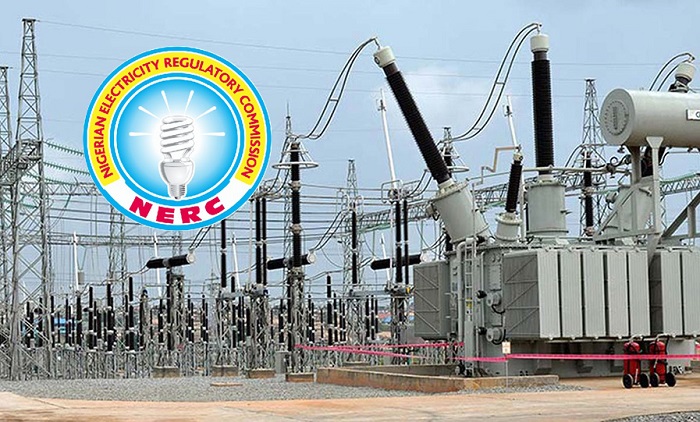
A new directive issued by the Nigerian Electricity Regulatory Commission (NERC) has sparked a dispute within Nigeria’s electricity sector after requiring electricity distribution companies (DisCos) to reserve part of their revenues for network upgrades and debt repayment.
The directive, which took effect on July 1, 2026, mandates DisCos to allocate a significant portion of their surplus operating income to capital projects and outstanding market debts, while also obtaining NERC’s approval before spending the funds.
Although the electricity distribution companies have not publicly commented on the directive, industry sources say many of them are opposed to the new policy, arguing that it gives the regulator excessive control over the financial decisions of privately owned utilities.
The disagreement has also attracted the attention of state electricity regulators, the Federal Ministry of Power and the National Assembly, raising fresh concerns over the division of regulatory authority between federal and state institutions under the Electricity Act 2023.
To address the matter, stakeholders recently agreed to establish a seven-member committee comprising representatives from the Ministry of Power, NERC, State Electricity Regulatory Commissions (SERCs), the Office of the Special Adviser on Power, the Senate Committee on Power and the Bureau of Public Enterprises (BPE) to review the issues and recommend a way forward.
State regulators, through the Forum of Commissioners of Power and Energy in Nigeria (FOCPEN), argued that states which have assumed electricity regulatory responsibilities should have exclusive oversight of electricity markets operating entirely within their jurisdictions.
NERC, however, insists the directive is intended to ensure that revenues generated under the Multi-Year Tariff Order (MYTO) framework are invested in improving electricity infrastructure, expanding distribution networks and enhancing service delivery.
Under the order, DisCos without outstanding market debts are required to channel 70 percent of eligible surplus funds into dedicated capital expenditure accounts. Companies with existing debts must allocate 50 percent to debt repayment, 35 percent to network investments and retain only 15 percent for operational use.
Supporters of the directive say it will help address years of underinvestment in transformers, feeders and other critical infrastructure that have contributed to frequent power outages across the country.
However, some industry experts argue that while encouraging infrastructure investment is necessary, directing private companies on how to spend their revenues could discourage investors and lenders from supporting the electricity sector.
The dispute has further highlighted differing interpretations of the Electricity Act 2023, with both federal and state regulators citing separate provisions of the law to support their positions.
The outcome of the committee’s review is expected to shape future relations between federal and state electricity regulators and influence investment confidence in Nigeria’s evolving electricity market.



