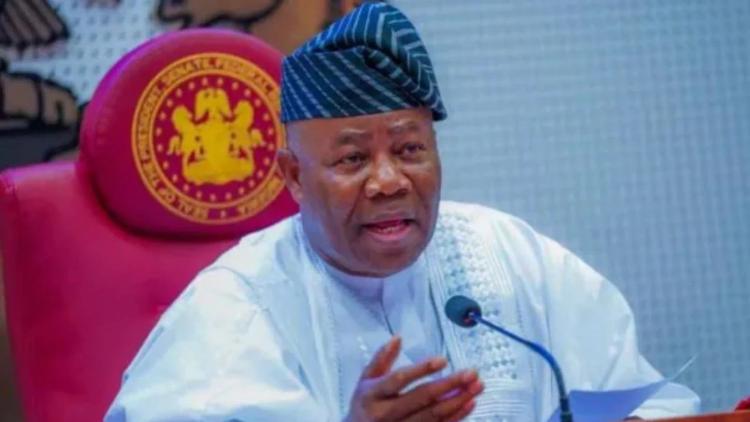
Nigeria’s Senate has taken a decisive step to limit the influence of incoming political heavyweights by amending its Standing Rules, a move widely seen as an attempt to protect its internal power structure ahead of the 2027 elections.
During a closed-door session that lasted nearly three hours on Tuesday, lawmakers revised key provisions guiding leadership selection, effectively raising the bar for who can occupy top positions in the chamber.
At the heart of the changes are amendments to Orders 4 and 5, which now place greater emphasis on legislative experience and seniority over political influence.
Under the revised Order 4, the Senate reaffirmed a strict hierarchy for the emergence of presiding officers, making ranking the primary determinant. The new structure prioritises former Senate Presidents, former Deputy Senate Presidents, past principal officers, and serving senators with at least one full term. First-time senators are placed at the bottom of the ladder and can only be considered if no higher-ranking members are available.

Even more far-reaching is the amendment to Order 5, which introduces a tougher eligibility requirement for principal offices. Going forward, only senators who have served at least two consecutive terms immediately before nomination will be allowed to contest for key leadership roles.
This effectively shuts out first-time senators and those without continuous legislative experience from positions such as Senate Leader, Chief Whip, Minority Leader, and their deputies.
The implications are significant, especially as a wave of outgoing governors and political figures prepare to transition into the Senate after completing their terms in 2027. Under the new rules, many of them—despite their political weight—will be unable to compete for leadership positions in the 11th National Assembly.
The move comes amid growing interest in Senate seats, with several governors already positioning themselves for the upper chamber. At least a dozen governors are expected to leave office by May 2027, fuelling what observers describe as a political migration from executive offices to the legislature.
By tightening its rules, the Senate appears to be drawing a clear line—prioritising institutional experience over political clout and ensuring that its leadership remains within the ranks of seasoned lawmakers.
The development is likely to reshape political calculations ahead of 2027, as aspiring senators—especially high-profile entrants—may now have to adjust expectations in a chamber where influence will increasingly be tied to legislative tenure rather than external political strength.