

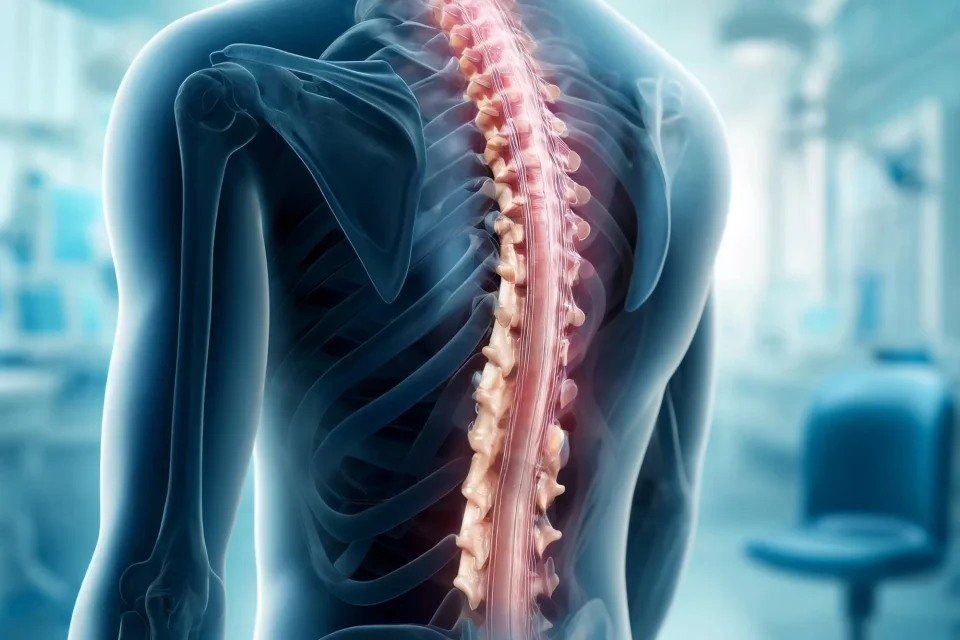
Scientists at Tel Aviv University in Israel are developing an experimental stem-cell treatment that could eventually help restore movement in people living with spinal cord injuries.
The research, led by Professor Tal Dvir, focuses on creating personalised spinal cord implants from a patient’s own cells. The cells are reprogrammed into induced pluripotent stem cells and developed into neural tissue designed to replace damaged sections of the spinal cord.

In tests involving animals with spinal cord injuries, the engineered implants produced encouraging results, including improved movement. Researchers reported that more than 80 per cent of animals with chronic spinal cord injuries in the programme regained the ability to walk.
However, scientists stress that the treatment remains experimental. Results seen in animals do not guarantee that the same therapy will restore movement in humans.
The technology has now moved closer to human testing. Matricelf, the biotechnology company developing the treatment, and Loewenstein Rehabilitation Medical Centre are preparing to evaluate potential patients after receiving preliminary approval for compassionate-use treatment involving eight people. The first human implantation is being targeted for the first half of 2027, subject to further scientific and regulatory steps.

Spinal cord injuries can lead to partial or complete loss of movement and sensation, depending on the location and severity of the damage. They can result from road crashes, falls, violence and other traumatic events, as well as conditions such as tumours, infections and vascular disorders.
Researchers hope the stem-cell approach could go beyond managing the effects of spinal cord damage by actually replacing or repairing damaged neural tissue.
Medical experts have also cautioned that successful treatment would require more than the implantation itself. Patients would likely need rehabilitation, neuro-retraining and psychological support as part of the recovery process.

The development could have major implications for countries such as Nigeria, where spinal cord injuries remain a significant health challenge. If the treatment eventually proves safe and effective in humans, access, affordability, specialised medical expertise and regulatory oversight would become important considerations.
For now, the research represents a promising scientific development rather than an established cure. Human trials will be crucial in determining whether the technology can safely restore movement in people living with spinal cord injuries.




