

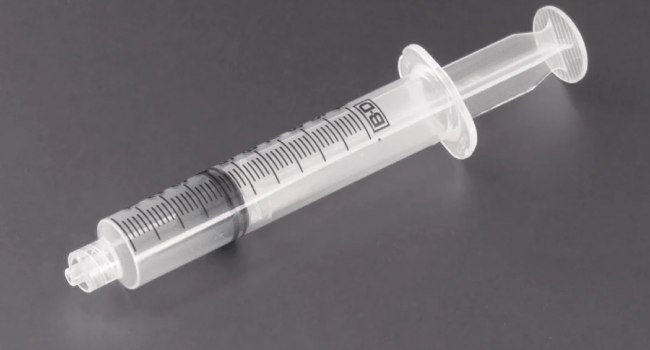
South Korean authorities have launched an investigation into several companies accused of hoarding medical syringes amid growing global disruption to petrochemical supply chains linked to the Middle East conflict.

The Seoul Metropolitan Police Agency said it has begun probing four medical device distributors suspected of violating new anti-hoarding rules introduced after concerns over supply shortages intensified.
The investigation follows a complaint from the Ministry of Food and Drug Safety, which warned that some firms may be stockpiling syringes and needles to profit from rising prices caused by supply disruptions.

Authorities said the crisis has been worsened by tensions in the Middle East, including strikes involving the United States and Israel on Iran, which have affected shipping routes through the Strait of Hormuz and disrupted the flow of naphtha, a key oil-based material used in plastics and medical products.

Under South Korea’s emergency rules, companies are prohibited from holding more than 150% of their average monthly syringe sales for more than five days without justification. However, some distributors are alleged to have exceeded these limits significantly, including one firm reportedly holding around 130,000 excess units.

The government has warned of strict enforcement as it moves to stabilize supply chains and prevent exploitation during the crisis. The Lee Jae Myung administration has also pledged strong action against what it describes as opportunistic behaviour during national supply disruptions.

In response to the wider energy strain, South Korea has also secured additional naphtha imports from alternative suppliers such as Saudi Arabia and Oman to reduce dependence on routes passing through the Strait of Hormuz.




