


As the world races for critical minerals, Nigeria must ensure that bloodshed and displacement do not become the hidden price of global prosperity.
The massacre that devastated communities in Bokkos Local Government Area of Plateau State left hundreds dead, homes reduced to ashes, and entire villages displaced. As with many such tragedies, familiar explanations quickly emerged—farmer-herder clashes, reprisals and religious tensions.
Yet beneath these narratives lies a question Nigeria can no longer afford to ignore.
Could competition over strategic mineral resources be aggravating insecurity in parts of the country?
The question deserves rigorous investigation—not speculation, not conspiracy theories, but a comprehensive, evidence-based national inquiry.

History offers sobering lessons. Across Africa, valuable natural resources have repeatedly become catalysts for conflict rather than development. Sierra Leone’s civil war was financed by blood diamonds. Liberia experienced a similar tragedy. In the Democratic Republic of Congo, cobalt, coltan and other strategic minerals have financed armed militias for decades, contributing to one of the world’s deadliest humanitarian crises. Millions have died or been displaced while criminal networks and foreign commercial interests exploited weak governance to seize mineral-rich territories.
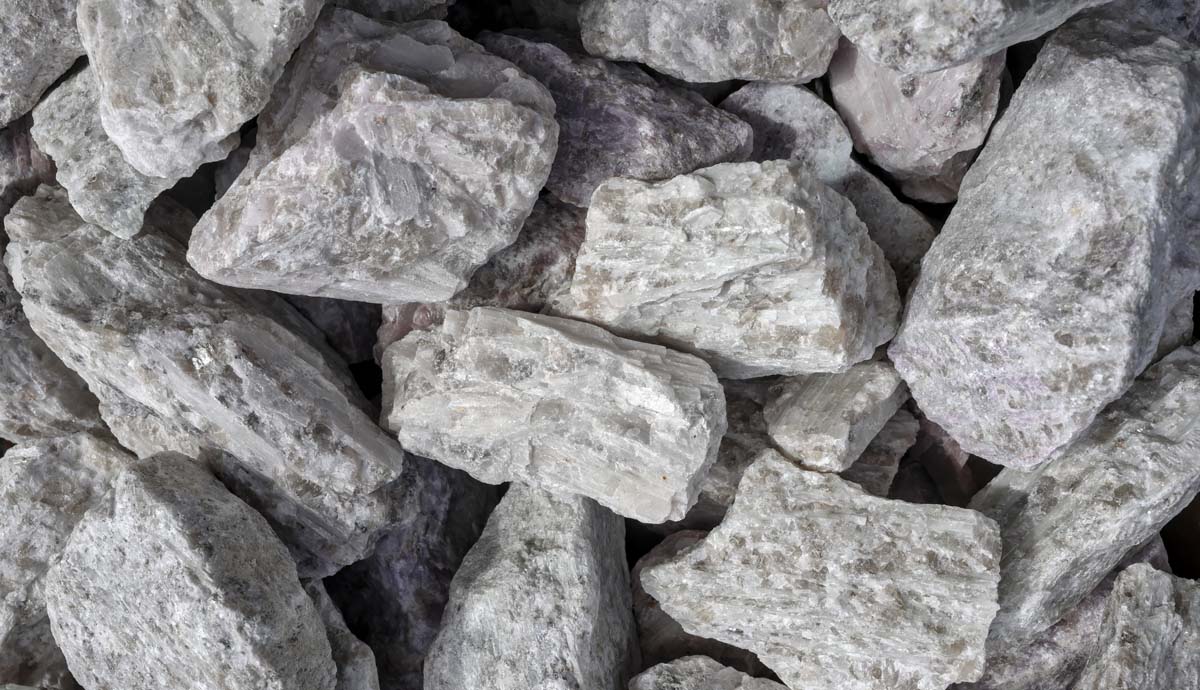
Nigeria is now emerging as one of Africa’s most promising sources of lithium, tantalite, tin and other critical minerals required for electric vehicles, renewable energy storage systems, smartphones, defence technologies and advanced manufacturing. As the global transition to clean energy accelerates, the strategic value of these minerals continues to rise.
With opportunity, however, comes vulnerability.
One aspect deserving urgent international attention is the limitation of existing conflict-minerals regulations. The U.S. Dodd-Frank Wall Street Reform and Consumer Protection Act, particularly Section 1502, together with European Union Regulation 2017/821 on Conflict Minerals, requires companies to conduct due diligence and disclose whether tin, tantalum, tungsten and gold (3TG) originate from conflict zones, particularly the Democratic Republic of Congo and adjoining countries.
Nigeria, however, is not specifically designated under Section 1502 despite its growing strategic mineral deposits, although the broader EU framework extends to conflict-affected and high-risk areas. This creates a regulatory gap that deserves urgent international attention before criminal actors exploit it further.
It is important to state clearly that there is currently no publicly established evidence proving that the massacres in Bokkos or elsewhere in Nigeria were orchestrated to facilitate lithium or critical-mineral exploitation. Such allegations remain unproven and require thorough investigation by Nigeria’s security agencies and independent authorities.
However, neither should such possibilities be dismissed outright in a country where illegal mining has become an increasingly serious national security challenge.
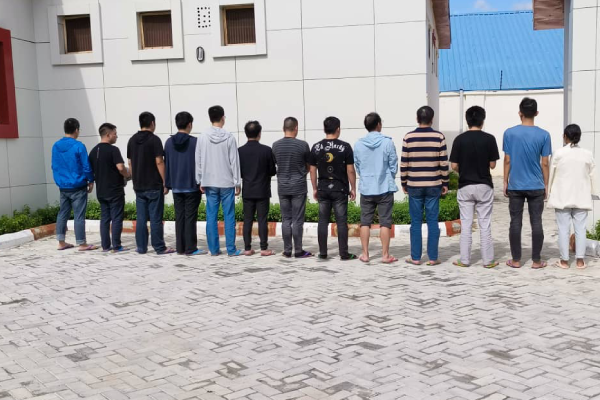
Recent operations by the EFCC, Mining Marshals and other security agencies have resulted in the arrest of several foreign nationals, including Chinese operators, over allegations involving illegal mining, mineral smuggling, economic sabotage and related offences. These developments demonstrate that Nigeria’s solid minerals sector has become increasingly attractive to organised criminal interests.
Communities blessed with mineral wealth should never become victims of what economists describe as the resource curse—the tragic paradox whereby abundant natural resources generate conflict, displacement and poverty instead of prosperity.
Nigeria must not allow its critical minerals to become tomorrow’s blood diamonds.
The Federal Government should immediately establish a National Critical Minerals Security Task Force comprising the Armed Forces, Nigeria Police Force, DSS, EFCC, Mining Marshals, NSCDC and other intelligence agencies. Satellite surveillance, drone technology, geospatial mapping, forensic audits and community intelligence should be integrated to monitor activities around strategic mineral belts before criminal networks become entrenched.
The National Patriots also recommends the immediate adoption and full implementation of the Cargo Tracking Note (CTN) system as proposed by Eden & Frabemar for all mineral exports from Nigeria. The proposed CTN initiative would provide end-to-end traceability of mineral shipments from the point of extraction to their final destination, significantly strengthening transparency across the supply chain. Beyond improving Customs oversight and increasing government revenue, the CTN would make it substantially more difficult for illegal mining syndicates, smugglers and unscrupulous foreign operators to exploit Nigeria’s strategic mineral resources. As global demand for critical minerals continues to surge, Nigeria cannot afford to operate without a robust cargo traceability system capable of safeguarding its economic and national security interests.
Equally important, Nigeria should immediately commence diplomatic engagements with the United States, the European Union, the OECD and other international partners to ensure that Nigeria is brought within the scope of global conflict-minerals due diligence frameworks, including Section 1502 of the U.S. Dodd-Frank Act and EU Regulation 2017/821. If criminal networks or foreign interests are exploiting insecurity to gain access to Nigeria’s strategic minerals, the international community must not look away. Nigerian communities deserve the same level of protection accorded to conflict-affected mining regions elsewhere.
Consumers in America, Europe and Asia increasingly demand ethically sourced minerals. The batteries powering electric vehicles, smartphones and renewable energy technologies should never carry the hidden cost of violence, displacement or human suffering.
History has already warned the world. Blood diamonds prolonged Sierra Leone’s civil war. Conflict minerals sustained decades of violence in the Democratic Republic of Congo.
Nigeria still has an opportunity to write a different story.
National Patriots’ Position
The National Patriots calls for a comprehensive investigation into any possible nexus between insecurity and illegal mining across Nigeria’s mineral-rich communities. No credible line of inquiry should be ignored without evidence, and no vested interests—local or foreign—should be allowed to profit from bloodshed. We urge the Federal Government to strengthen the Mining Marshals, EFCC, Police, DSS and other intelligence agencies, conduct forensic audits of mining activities, and champion international traceability standards.

The National Patriots further urges the Federal Government to immediately pursue Nigeria’s inclusion within global conflict-minerals due diligence frameworks, particularly Section 1502 of the U.S. Dodd-Frank Act and EU Regulation 2017/821. As Nigeria emerges as a major source of critical minerals, its communities deserve the same international protections afforded to other conflict-affected mining regions. If investigations establish that criminal networks or foreign interests are exploiting insecurity to gain access to strategic mineral deposits, such frameworks would strengthen transparency, improve supply-chain accountability and discourage illicit exploitation. Nigeria’s critical minerals must drive industrialisation and shared prosperity—not become incentives for violence, displacement or economic sabotage. The Federal Government should treat this as an urgent national security and strategic economic priority.
Natural resources are meant to build nations, not bury communities.
If insecurity is being exploited anywhere as a pathway to mineral extraction, then Nigeria may be confronting not merely banditry or communal violence, but the emergence of a new form of economic warfare hidden beneath the soil. The appropriate response is not assumption, but a thorough, independent and evidence-driven investigation that protects both Nigeria’s people and its strategic national assets.
Dr. G. Fraser. MFR
The National Patriots.



