


Education, productive investment and accountable government offer a stronger foundation for progress than the regional identity of political officeholders
By Princess Gloria Adebajo-Fraser, MFR
Political power should leave evidence beyond the names of those who occupied office. Its value should be visible in educated children, secure communities, productive farms, functioning industries and families able to build better lives.
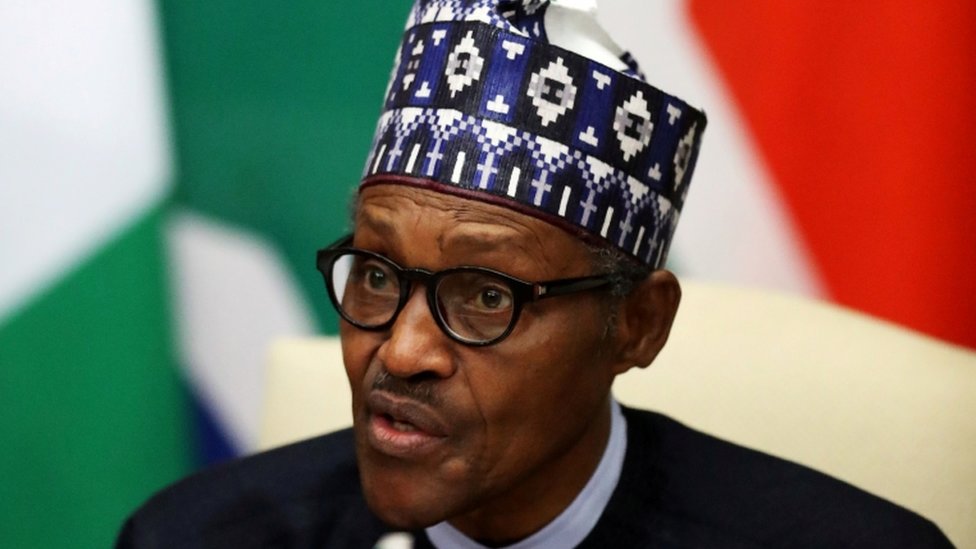
Northern Nigeria’s experience raises a difficult question: why have decades of substantial representation at the highest levels of government failed to produce comparable prosperity for much of its population?
The answer matters beyond any administration. Holding office and building development are different achievements. A region can produce powerful individuals while its communities remain economically vulnerable.
THE DEVELOPMENT GAP IS REAL
The National Bureau of Statistics’ 2022 Multidimensional Poverty Index found that 133 million Nigerians were multidimensionally poor. Of these, 86 million—65%—lived in the North, compared with nearly 47 million in the South. Poverty incidence ranged from 27% in Ondo to 91% in Sokoto. These are dated survey findings, but they establish that severe deprivation substantially predates the present administration.
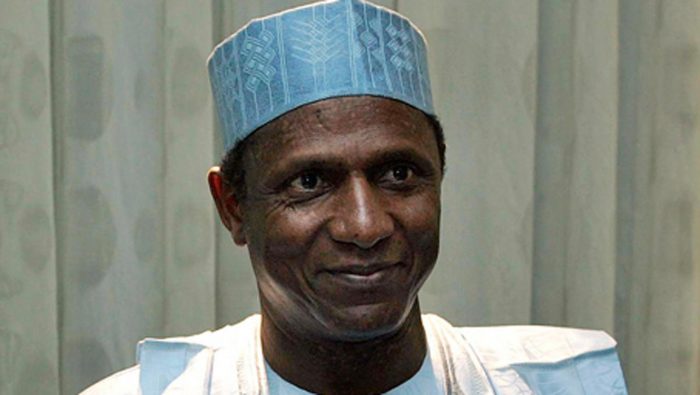
The comparison is instructive, although the North is not economically uniform. Nor does the number of poor people alone establish regional poverty rates without considering population. Nevertheless, the concentration of deprivation demands sustained policy attention.
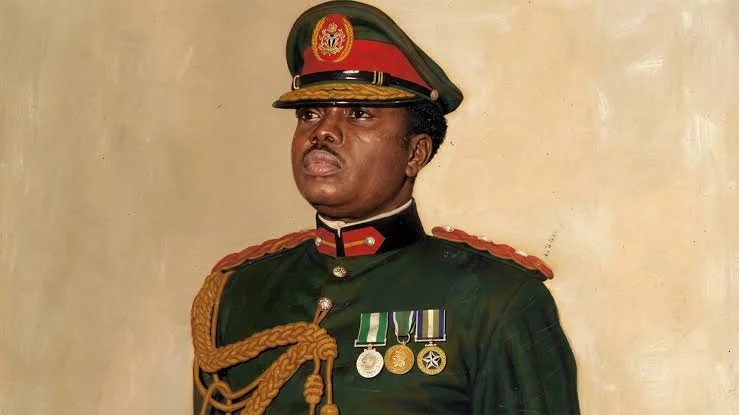
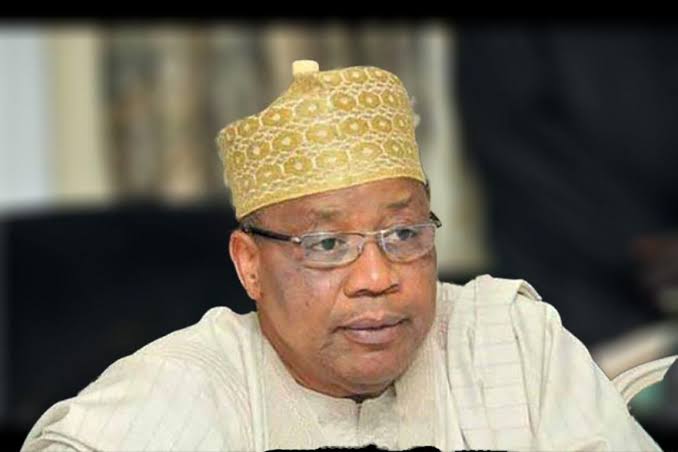
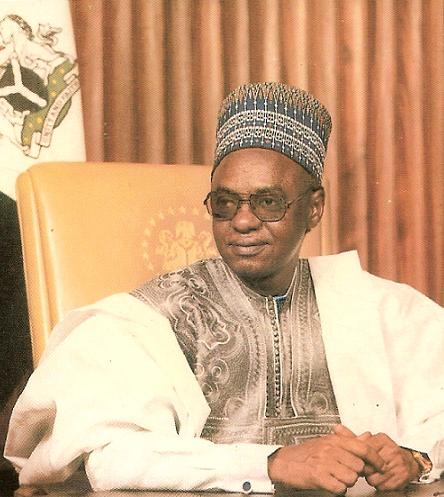
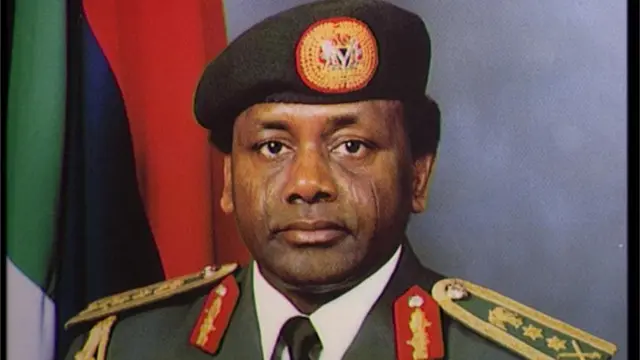
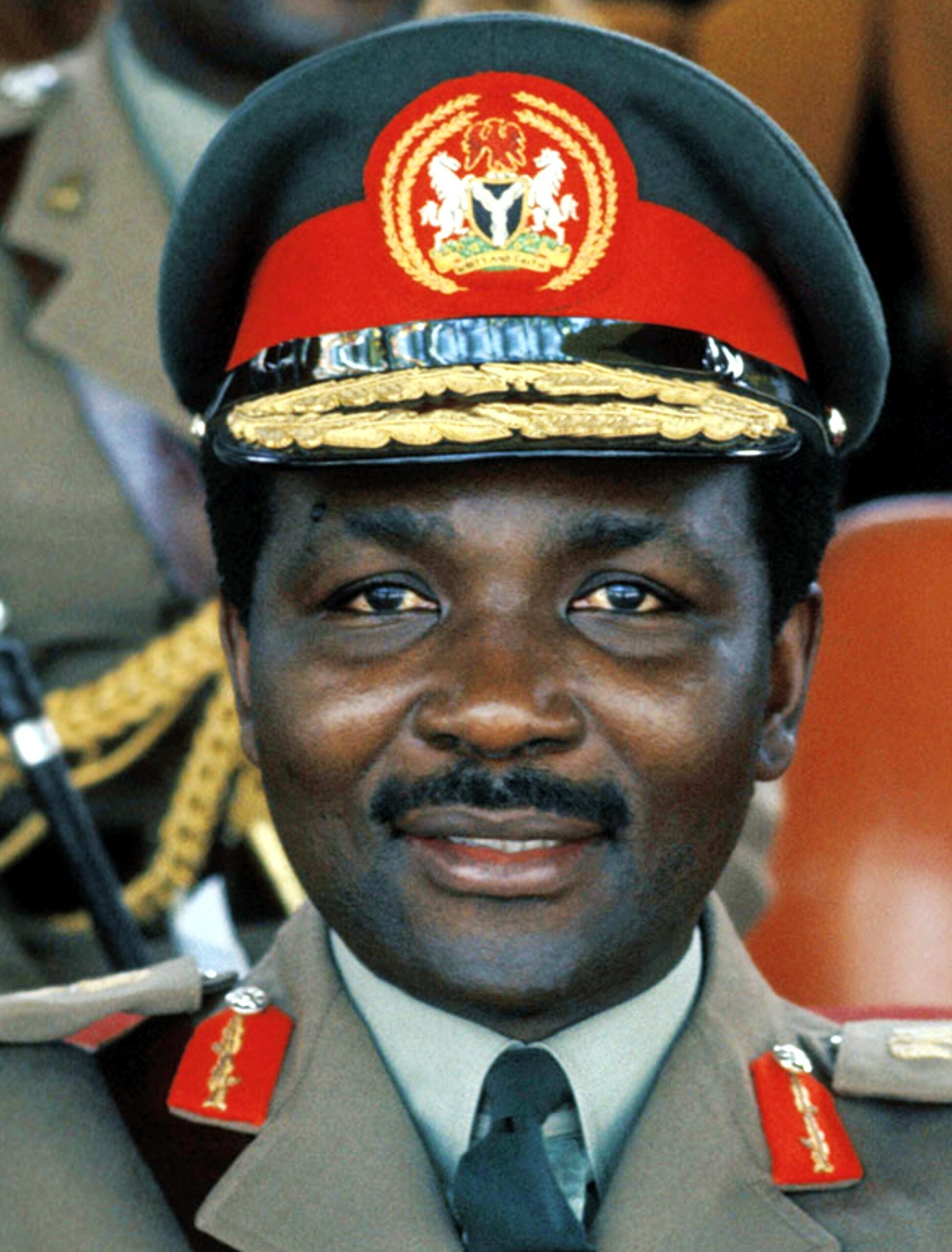
Northern presidents, military rulers and other senior officeholders have had extensive opportunities to influence national priorities. Their records should be examined through outcomes rather than appointments.
That responsibility also belongs to governors, legislatures and local governments. Education, healthcare, land administration, markets and community infrastructure cannot be delivered from the Presidential Villa alone.
IDENTITY CANNOT SUBSTITUTE FOR INSTITUTIONS
A leader’s birthplace does not guarantee better schools or cheaper electricity. Development requires capable institutions, dependable financing, implementation and continuity.
Equally, an honest assessment must recognise the damage caused by insurgency, banditry, displacement and climate pressures. These burdens have not affected every region equally. They help explain lost investment and interrupted schooling, while strengthening the case for effective government.
The sensible comparison is between what resources were available, what institutions delivered and what changed for citizens—not simply which region supplied the President.
TINUBU’S RECORD SHOULD BE EXAMINED ON THAT BASIS
President Bola Ahmed Tinubu did not create the North’s longstanding development deficits. His administration nevertheless bears responsibility for its response, including the effects of its economic policies and the delivery of its investments.
One significant intervention is the North-West Development Commission, whose establishment legislation Tinubu signed alongside the South-East Development Commission legislation in July 2024. The commissions are intended to coordinate reconstruction and development interventions addressing infrastructure deficits, poverty, educational exclusion and related environmental and economic challenges within their respective regions.
This expands the institutional framework for regional development. It should not obscure earlier initiatives: the North-East Development Commission was established under President Muhammadu Buhari in 2017. Development is cumulative, and accurate attribution strengthens public debate.

The South-East commission also illustrates an important national principle: federal responsibility extends to every region. Its establishment is a concrete policy decision; claims that no previous leader did as much would require a much broader historical comparison.
MORE REVENUE NEEDS BETTER DELIVERY
Expanded allocations create opportunities, but development depends on their use.
In Jigawa, a published compilation of FAAC tables records ₦192.27 billion in net state allocations in 2025 and ₦134.71 billion during January–July 2026, a reported 32.1% nominal increase over the corresponding seven months of 2025. Inflation affects what that additional money can purchase, and receipts must be distinguished from expenditure.
The accountability framework is also changing. EFCC Chairman Ola Olukoyede announced a directorate to monitor state-government financial flows and the commission’s participation in FAAC meetings. Such oversight could help protect resources, although its effectiveness will depend on consistent, lawful enforcement.
The development chain is straightforward: increased revenue must become completed projects, functioning services and measurable household benefits.
RAILWAYS MUST CONNECT PRODUCTION TO MARKETS
The Kaduna–Kano railway provides a substantial example of ongoing investment. In October 2026, the Transportation Ministry reported approximately 90% completion, following an inspection involving a train journey from Jaji to Kano. It also identified a December target for sections extending through Kazaure and Daura towards Katsina. These are official progress reports and targets, not confirmation that every section is operational.
Such corridors could strengthen commerce around Kaduna, Kano, Jigawa and neighbouring states. Their industrial value depends on freight services, affordable charges, reliable power, warehouses and connections between farms, factories and stations.
Transport infrastructure supports industrial recovery; it does not establish that recovery by itself. Factory output, employment and investment must also be measured.
CHILDREN MUST COME FIRST
Educational exclusion is a development emergency. UNICEF reported in 2026 that more than ten million primary-age children remained out of school. This cannot be casually compared with estimates covering wider age groups to manufacture a percentage improvement.
Education Minister Tunji Alausa has reported that more than one million out-of-school children returned to classrooms. That is a government-reported achievement, deserving follow-up through attendance, retention and learning data.
Almajiri children deserve protection and opportunity. Integrated learning, nutrition, safe accommodation, family support and pathways into accredited education offer practical responses.
For older learners, the federal TVET initiative offers tuition-free training, stipends and start-up support. The official 3MTT platform reports over 160,000 fellows trained, with 1.87 million registered in its pipeline. Registrations and training targets should not be described as millions already trained.

NATIONAL PATRIOTS POSITION
The National Patriots believe political leadership should be assessed through public outcomes, beyond regional identity. Northern development requires educated children, secure communities, productive infrastructure and accountable institutions. Current investments deserve fair recognition, while unfinished commitments require sustained scrutiny. Every administration and every tier of government must demonstrate how public resources improve livelihoods, expand opportunity and protect the dignity of citizens.
President Tinubu has demonstrated commendable goodwill with visible impact to confirm his commitment to the sustainable development of every region in Nigeria. The results should be communicated and accepted without bias; Tinubu’s re- election by the people of Northern Nigeria ought to be without question. Tinubu has provided the proof for those who wish to see. He deserved a second term to complete his vision from reforms to prosperity for the benefit of all Nigerians. The completion of ongoing projects, social protection plan, more results in rehabilitating out of school children in the North, reduction in cost of living and succour for vulnerable households is not just a promise but the foundation has been laid already as confirmed in the manifesto.

The National Patriots.
Princess Gloria Adebajo-Fraser, MFR
President, The National Patriots
Member, APC-PCC Strategic Communications Committee 2027



