

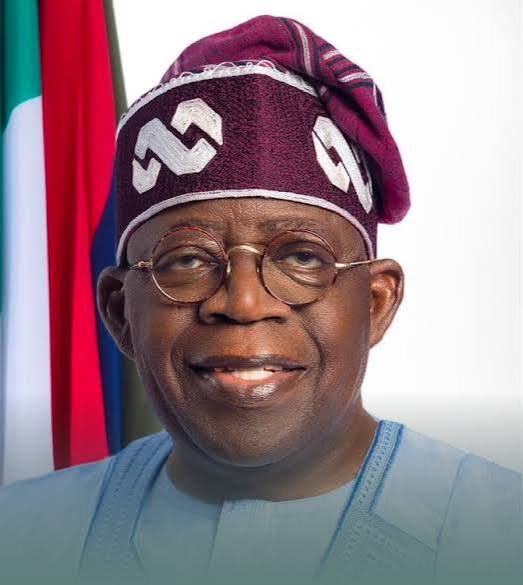
Six-Month Intervention Targets Commuting Costs, Outstanding Allowances and Labour Relations
Headlinenews.News | October 28, 2026
President Bola Ahmed Tinubu’s administration has reached an agreement with organised labour on ₦70,000 transport support for eligible public servants over six months, beginning November 2026, alongside commitments to settle outstanding allowances and reopen discussions on wages.

The agreement, reportedly reached during talks between the Federal Government and the Nigeria Labour Congress (NLC) in Abuja on Tuesday, responds to concerns about rising commuting expenses and pressure on household incomes.
For many workers, daily transport costs reduce the money available for food, education, healthcare and other necessities. Targeted relief could therefore make a meaningful difference, particularly for lower-paid employees.
The ₦70,000 figure matches Nigeria’s statutory monthly minimum wage introduced in 2024. However, the government must clarify whether the transport support is a monthly payment or a total amount covering six months. Only if ₦70,000 is paid every month would each eligible worker receive ₦420,000 over the period.

OUTSTANDING ENTITLEMENTS AND WAGE TALKS
The reported agreement also provides for payment of peculiar allowance arrears in three monthly instalments from November. Nineteen months of outstanding allowances owed to health workers are to be cleared over three months beginning December 2026.
Further negotiations are expected on health-sector remuneration, hazard allowances for agricultural officers and other welfare concerns. Both sides also agreed to establish a Minimum Wage Negotiation Committee to provide a framework for future discussions.
Clearing accumulated obligations would bring relief to affected workers while helping rebuild confidence in government–labour relations.

CONNECTING REFORMS WITH HOUSEHOLD RELIEF
Since May 2023, Tinubu’s administration has pursued reforms aimed at strengthening public finances and correcting structural weaknesses. Petrol subsidy removal, however, increased transport pressures, making practical relief especially important.
The government has also promoted compressed natural gas vehicles and mass-transit initiatives intended to lower commuting costs over time. Direct transport assistance could complement those longer-term measures, provided implementation is timely and properly funded.
Beyond transport relief, sustained investment in irrigation, year-round food production and agricultural infrastructure will be essential to reducing food prices and delivering lasting improvements in Nigerians’ purchasing power.
The wider lesson is straightforward: fiscal reforms must be accompanied by visible improvements in everyday living conditions. Economic indicators matter, but families ultimately judge policy by what their earnings can buy.

DELIVERY WILL DETERMINE SUCCESS
The reported agreement illustrates the value of dialogue over prolonged industrial confrontation. Organised labour has secured commitments addressing immediate welfare concerns, while the government has an opportunity to demonstrate responsiveness.
The next step is publication of eligibility rules, payment frequency, funding arrangements and disbursement dates. Authorities should also explain whether state and local government employees are covered or require separate agreements.
This is a potentially positive development for working Nigerians, but announcements alone do not settle transport bills or unpaid allowances. Prompt, transparent delivery will determine its real value.
For President Tinubu, the strongest demonstration that economic reform is working will be measurable relief in households—not simply commitments announced at the negotiating table.
Dr. G. Fraser. MFR
Headlinenews.News