

TINUBU, THE CONFABS, AND NIGERIA’S LONG-OVERDUE RECKONING
Nigeria is not suffering from a lack of ideas. It never has.
What it has lacked—consistently, dangerously, and repeatedly—is the political will to act on what it already knows.

For over 70 years, from the 1950 Ibadan Constitutional Conference to the 2014 National Conference, Nigeria has studied itself with unusual clarity. It has diagnosed its structural weaknesses, debated solutions, documented reforms—and then stalled at the point where it mattered most: implementation.
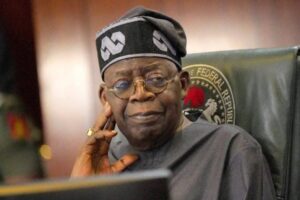
What is unfolding today under Bola Ahmed Tinubu is not an experiment. It is a delayed confrontation with long-established truths.
A HISTORY OF DIAGNOSIS—WITHOUT DELIVERY
Nigeria’s structural challenges are not new, and they are not disputed. Across decades and regimes—military and civilian alike—the same conclusions have emerged:
●Excessive concentration of power at the centre
●Weak, fiscally dependent states
●A distorted revenue-sharing framework
●An overburdened Exclusive Legislative List
●Centralised security in a complex federation
●A political economy that discourages productivity
●From Ibrahim Babangida’s political bureau debates to Sani Abacha’s constitutional conference, from Olusegun Obasanjo’s 2005 reform conference to Goodluck Jonathan’s 2014 National Conference—the pattern is unmistakable.
●Different governments. Same diagnosis.
●The failure was never intellectual. It was decisional.

FROM TALK TO ACTION: WHAT IS DIFFERENT NOW
For decades, Nigeria perfected the art of consultation while avoiding the consequences of reform. Reports were written. Committees convened. Recommendations submitted. Then, silence.
What distinguishes the current phase is not that new ideas have emerged—but that old ones are finally being acted upon.
The removal of fuel subsidy, for instance, addressed a fiscal distortion that had become unsustainable.
By 2022, subsidy payments had ballooned to over ₦4 trillion annually, consuming resources that could have funded infrastructure, healthcare, and education. Retaining it was politically convenient—but economically reckless.

Exchange rate unification tackled another structural fault line. Multiple exchange windows had created arbitrage, discouraged investment, and eroded transparency.
A unified system, though initially inflationary, is a necessary correction toward market credibility.
Fiscal reforms and revenue restructuring are also shifting Nigeria away from a consumption-heavy model toward productivity.
At one point, debt servicing consumed nearly 97% of federal revenue, leaving little room for development.
That model was not sustainable.
Even the renewed emphasis on subnational viability—forcing states to think beyond federal allocation—echoes long-standing confab recommendations on true federalism.

These are not isolated policies. They are structural interventions.
THE HARD TRUTH: REFORM IS PAINFUL—BUT AVOIDANCE IS WORSE
There is no honest way to discuss reform without acknowledging its cost. Inflation has strained households. Energy prices have risen. The transition has been difficult.
But the alternative must be stated clearly.
Nigeria’s previous system—fuel subsidies, currency distortions, and fiscal centralisation—was not protecting the poor. It was postponing collapse.
Countries that undertook similar reforms faced comparable turbulence. Indonesia removed fuel subsidies in 2014 and redirected billions into infrastructure and social programmes.
Egypt floated its currency in 2016, triggering inflation but restoring investor confidence and stabilising reserves.
Nigeria is not unique in this path. It is simply late.
THE REAL PROBLEM: A CRISIS OF UNDERSTANDING
One of the most troubling aspects of the current discourse is not disagreement—it is misunderstanding.
Too many arguments against reform are built on short-term discomfort without engaging long-term necessity.
There is a tendency to demand change while resisting its consequences, to criticise outcomes without acknowledging causes.

Nigeria’s structural problems are not recent. They are cumulative. And solutions to cumulative problems are rarely painless.
Public debate must rise above emotional reaction and engage with historical reality.
POLITICAL WILL: THE DIFFERENCE BETWEEN KNOWING AND DOING
For decades, Nigeria knew what to fix. It simply chose not to fix it.
Why? Because reform threatens entrenched interests. Because short-term pain carries political risk. Because leadership often preferred applause to responsibility.
What is being tested now is not just policy—but courage.
This does not mean every decision is perfect. It does not mean execution cannot improve. It does not mean citizens should suspend scrutiny.
But it does mean that reform must be judged within the context of what it is attempting to correct.

2027: CONTINUITY OR RESET?
For those evaluating the road ahead, the question is straightforward:
Should Nigeria continue a reform process aimed at correcting decades-old structural flaws—or return to a system that has already proven unsustainable?
Supporting Bola Ahmed Tinubu for a second term in 2027, in this context, is not merely a political choice. It is a strategic decision about continuity.
Structural reforms do not mature in a single electoral cycle. Interrupting them midway risks reversing progress and deepening instability.
CONCLUSION: HISTORY HAS ALREADY SPOKEN
Nigeria does not need another conference to understand its problems. It has held enough.
What it needs—and has always needed—is the courage to implement what it already knows.
For over 70 years, history has been clear, consistent, and, at times, ignored.
Today, that history is no longer theoretical. It is being acted upon.
The real question is no longer what is wrong with Nigeria.
The question is whether Nigerians are prepared to support the difficult process of fixing it.
Because in the end, nations are not transformed by the elegance of their reports—but by the courage of their decisions.
The National Patriots
The National Patriots Movement views the reform trajectory under Bola Ahmed Tinubu as a long-overdue implementation of ideas Nigeria has debated for decades. From subsidy removal to fiscal restructuring and subnational empowerment, these measures reflect recommendations consistently raised since the 1950s. While the immediate impact remains challenging, the Movement maintains that sustainable progress requires difficult decisions. Nigeria must move beyond endless consultations to decisive action. Leadership must be judged not by short-term comfort, but by long-term outcomes.
The call is clear: stay the course, strengthen reforms, and build a more stable, productive and self-reliant nation.
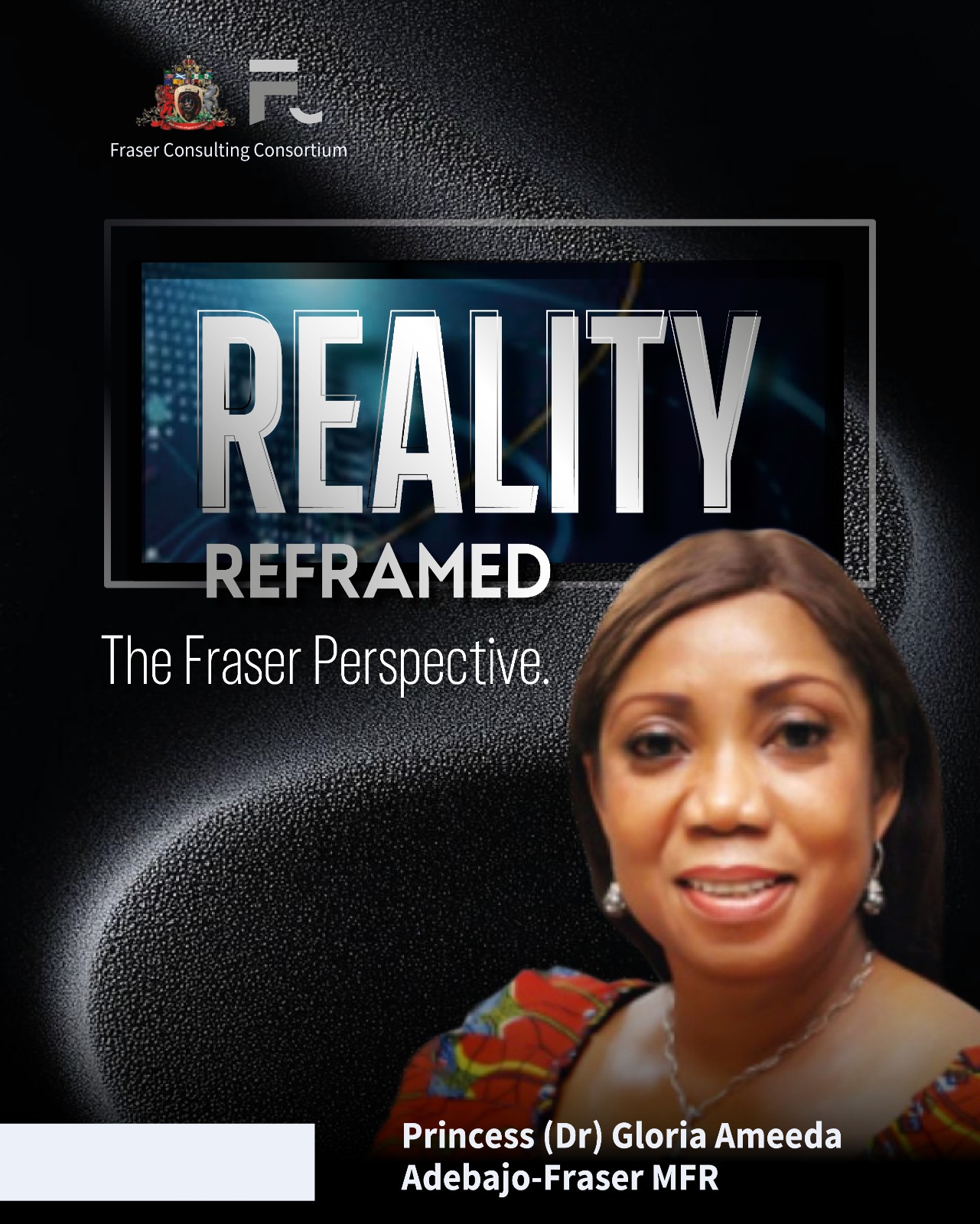
Princess Gloria Adebajo-Fraser MFR.
President, the National Patriots.




