
Transport, Security, Power and Social Investments Dominate Proposed Financing as Government Explains Long-Term Development Strategy
November 2, 2026
President Bola Ahmed Tinubu’s proposed $21.7 billion supplementary external borrowing plan has renewed debate about Nigeria’s debt obligations and the economic value of public borrowing. The essential question is not simply how much government proposes to borrow, but what the financing will deliver, how much it will cost and how the loans will be repaid.
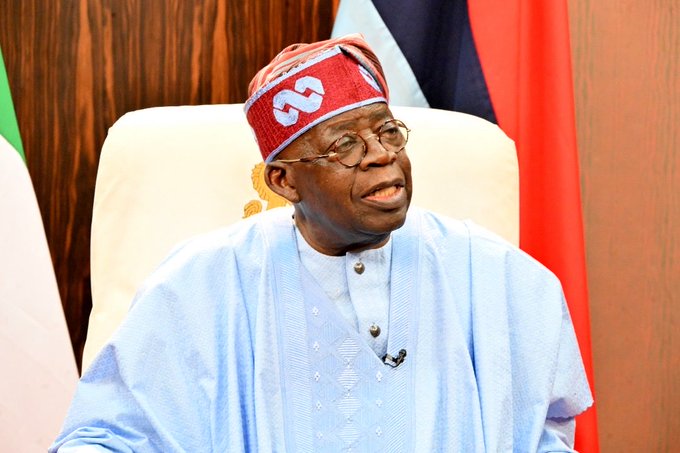
The proposal, submitted to the National Assembly in October 2026, comprises approximately $20.52 billion and €1.05 billion, equivalent to about $21.7 billion at the exchange rate used in reporting the request. It is a financing plan, not evidence that the entire amount has already been borrowed, disbursed or spent. Projects and their associated financing would be implemented over several years, subject to the relevant approvals and agreements.
Finance Minister Taiwo Oyedele explained after the October 28 Federal Executive Council meeting that the average project lifespan under the plan is about five years. His argument is that borrowing should be assessed against the productive assets and economic benefits it creates.

TRANSPORT INFRASTRUCTURE: $10.6 BILLION
Nearly half of the proposed financing, approximately $10.6 billion, is allocated to transportation. Identified projects include sections of the Lagos–Calabar Coastal Highway, the Sokoto–Badagry highway and the Kano–Kaduna rail corridor.
These projects are intended to connect economic centres, reduce transport bottlenecks and improve the movement of agricultural produce, manufactured goods and passengers. Better roads and rail links could also strengthen trade between regions, create construction employment and attract private investment.
However, the eventual economic return will depend on project completion, procurement discipline, maintenance and actual usage. Roads and railways produce lasting value when they serve communities and businesses efficiently, not merely when contracts are announced.
SECURITY AND OTHER DEVELOPMENT PRIORITIES
Approximately $2.4 billion is earmarked for defence and security. The wider plan also covers electricity, agriculture, healthcare, education, water, digital infrastructure, climate programmes and social protection.
These allocations recognise that national development requires more than transport corridors. Reliable electricity reduces production costs. Irrigation and agricultural infrastructure can improve year-round farming and food supply. Better healthcare, education and digital connectivity can increase productivity and expand opportunities for young Nigerians.
Published details indicate that the package spans 46 projects across 11 sectors. About $4 billion allocated to social sectors, agriculture, energy and related priorities is expected to be financed on concessional terms.

WHO BORROWS, AND AT WHAT COST?
The government says approximately $4.8 billion of the financing is intended for states and public agencies, rather than solely for federal ministries. About $7.9 billion is expected from multilateral and bilateral development partners.
The financing mix matters. Reported indicative rates average around 2.1 per cent for concessional facilities and 7.8 per cent for commercial borrowing. Lower-interest loans may ease repayment pressure, but commercial facilities still require rigorous scrutiny of financing terms, currency risks and projected economic returns.
A loan does not cease to be debt because it finances an investment. It remains a repayment obligation. The stronger argument is that carefully selected investments can generate benefits exceeding their total costs, including financing and maintenance.

WHAT SHOULD NIGERIANS DEMAND?
The public deserves a transparent project-by-project account of the financing, including locations, contractors, disbursement schedules, repayment terms, milestones and measurable benefits. Legislative oversight and independent monitoring should accompany implementation.
The proposed programme should ultimately be judged by completed roads and rail links, improved electricity supply, stronger security, more productive farms, functioning public services and sustainable growth in government revenue.
Nigeria cannot overcome decades of infrastructure deficits without substantial investment. Yet borrowing alone cannot guarantee development. Disciplined execution, public accountability and realistic repayment planning must turn financing commitments into productive national assets.
The strongest defence of the Tinubu administration’s proposal is therefore straightforward: borrow prudently, invest productively, publish the results and demonstrate that the benefits to Nigerians justify the cost.

THE NATIONAL PATRIOTS’ POSITION
The National Patriots commend President Bola Ahmed Tinubu’s commitment to infrastructure development through strategic borrowing. Nigeria cannot achieve sustainable prosperity without substantial investment in transportation, electricity, security, agriculture and essential services. We support responsible borrowing tied to productive projects, transparent implementation and measurable economic returns that create jobs, strengthen national productivity and improve Nigerians’ living standards.
Princess Gloria Adebajo-Fraser MFR.
President National Patriots.
Member, APC PCC 2027.