

President Donald Trump has informed the US Congress that American military hostilities with Iran have effectively ended under the ongoing ceasefire agreement, arguing that he is not required to meet the legal deadline for congressional approval of the conflict.

Under the 1973 War Powers Resolution, a US president must obtain approval from Congress within 60 days after notifying lawmakers of military action or bring hostilities to an end. However, Trump stated in a letter to congressional leaders that the ceasefire with Iran had halted the timeline tied to the legislation.
In the communication sent on the 60th day after Congress was officially notified of the military strikes, Trump said there had been no direct exchange of fire between US forces and Iran since April 7, 2026.
Reports from Iranian state media indicated that Tehran had forwarded a new proposal for negotiations with the United States through intermediaries in Pakistan, although details of the proposal were not disclosed publicly.

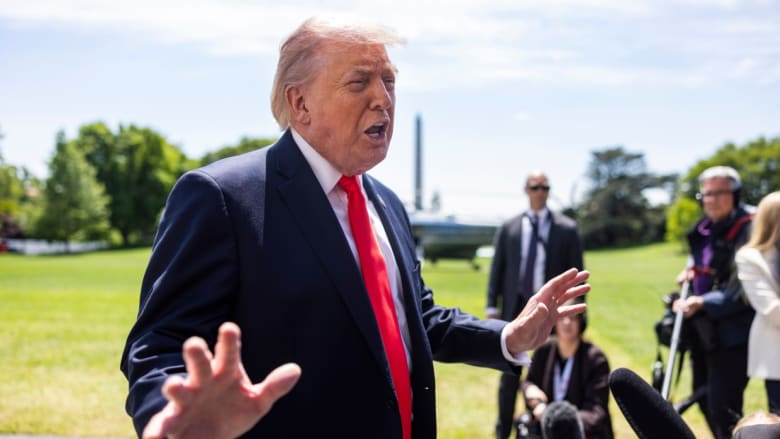
Speaking to journalists, Trump confirmed recent discussions with Iran but expressed dissatisfaction with the pace and direction of negotiations. He said reaching an agreement had become more complicated due to internal confusion within Iran’s leadership following the deaths of several senior military officials during the conflict.
The US president revealed that military advisers had presented him with different options, ranging from intensified military action to renewed diplomatic engagement.
Trump later insisted that the United States would not settle for what he described as an inadequate agreement, warning against leaving unresolved tensions that could reignite future conflict.

Meanwhile, the US Treasury Department issued a warning that individuals or businesses paying Iran for access through the Strait of Hormuz could face sanctions violations. The strategic waterway remains largely disrupted, contributing to wider economic concerns globally.
The issue has also intensified debate in Congress, where lawmakers continue to question whether formal authorisation for the military action should be voted on.
Defence Secretary Pete Hegseth defended the administration’s position during a congressional hearing, arguing that the ceasefire effectively paused the legal deadline under the War Powers Resolution.

However, Democratic Senator Tim Kaine rejected that interpretation, saying the law does not support such a position.
Legal experts have also challenged the administration’s interpretation. Professor Heather Brandon-Smith of Georgetown University Law Center argued that a ceasefire does not amount to a permanent end to conflict and therefore should not suspend the 60-day requirement.

The conflict began after the United States and Israel launched major strikes against Iran, targeting military and strategic sites. Iran responded with attacks against Israel and allied nations in the Gulf region.
Western powers, led by the US and Israel, have long accused Iran of pursuing nuclear weapons development, an allegation Tehran continues to deny.




