

U.S Makes Visa Bond Requirement Permanent for Citizens of 50 Countries, Raises Maximum to $20,000
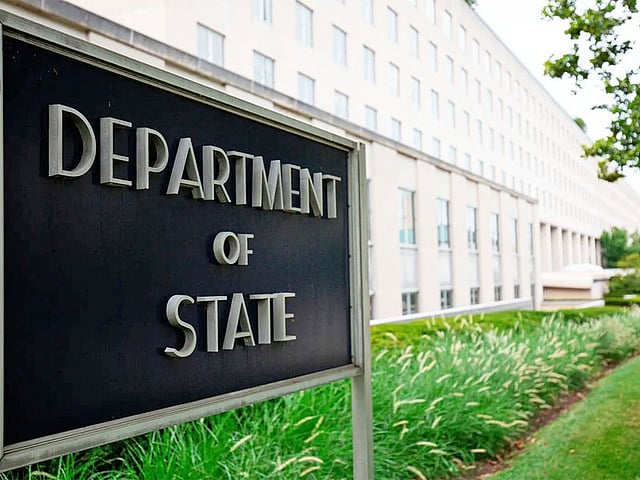
The United States State Department has made permanent a pilot programme requiring citizens from 50 countries, mostly in Africa, to pay a financial bond before applying for certain US visas.
Under the new rule, applicants for business and tourist visas (B1/B2) from affected countries may be required to post a bond of up to $20,000, an increase from the previous maximum of $15,000.
A draft notice published in the Federal Register on Friday stated that a review of the nearly year-long pilot programme showed that the measure was effective in encouraging visitors to comply with visa conditions.
The programme, which officially becomes permanent on Monday, allows consular officers to determine the bond amount based on individual cases. The previous options were $5,000, $10,000 and $15,000, but the new regulation removes the lowest payment option and increases the maximum amount to $20,000.
The bond is refundable if the visa application is rejected or, if approved, after the visitor complies with the terms of the visa and leaves the US as required.

The Trump administration introduced the programme in August 2025 as part of efforts to reduce visa overstays and tighten immigration controls.
According to the State Department, nearly 45,500 visitors from the 50 countries involved overstayed their visas in 2024. However, during the first 10 months of the visa bond pilot, fewer than 50 overstays were recorded among applicants covered by the programme.
US officials described the initiative as a success, arguing that it has helped improve compliance with visa rules.
However, critics have condemned the policy, saying it places an unfair financial burden on citizens of poorer countries who may want to visit relatives, study, or conduct business in the United States.
The State Department had initially projected that about 2,000 visa applicants would be affected by the bond requirement, but the actual figure reached around 20,000 applicants.
Nearly half of those required to pay the bond chose not to proceed, contributing to an 83 per cent drop in B1/B2 visa approvals for citizens of countries on the list.
The department said it expects the permanent rule to further reduce demand for business and tourist visa applications from nationals of the affected countries, while additional countries may be added to the programme in the future.




