

Some people seem to attract mosquitoes far more than others, and scientists say the reason has little to do with having “sweet blood.” Instead, mosquitoes rely on a combination of body signals such as carbon dioxide, body heat and skin odour to identify their preferred targets.
Experts explain that female mosquitoes, which require blood to develop their eggs, can detect humans from as far as 10 metres away using their sense of smell and vision.

One of the strongest attractants is the carbon dioxide people exhale. Adults generally produce more carbon dioxide than children, making them more noticeable to mosquitoes. The insects are also drawn to other sources of carbon dioxide, which is why the gas is commonly used in mosquito traps.
Body temperature also plays a significant role. People who are pregnant, exercising or naturally produce more body heat may be more attractive to mosquitoes because they emit more warmth, moisture and carbon dioxide.
Researchers say body odour is another major factor. Human skin releases hundreds of volatile organic compounds that are produced when skin bacteria break down substances such as fatty acids and carbohydrates. Mosquitoes can detect these chemical compounds and use them to distinguish between individuals.

Studies have shown that people with higher levels of certain skin acids are considerably more attractive to mosquitoes than others, and these differences tend to remain consistent over time regardless of lifestyle changes.
Scientists also believe genetics influences a person’s attractiveness to mosquitoes. Research involving twins found that identical twins attracted mosquitoes at similar rates, suggesting that inherited traits play a role in body odour and mosquito attraction.
The skin microbiome also contributes to the scent mosquitoes detect. People with less diverse but more abundant skin bacteria have been found to attract more mosquitoes than those with a more balanced skin microbiome.

Experts say there is little scientific evidence that consuming garlic or taking vitamin B supplements effectively repels mosquitoes.
Instead, they recommend using proven insect repellents containing DEET, picaridin or PMD, wearing long-sleeved clothing treated with insecticide and reapplying repellents regularly, especially after sweating.

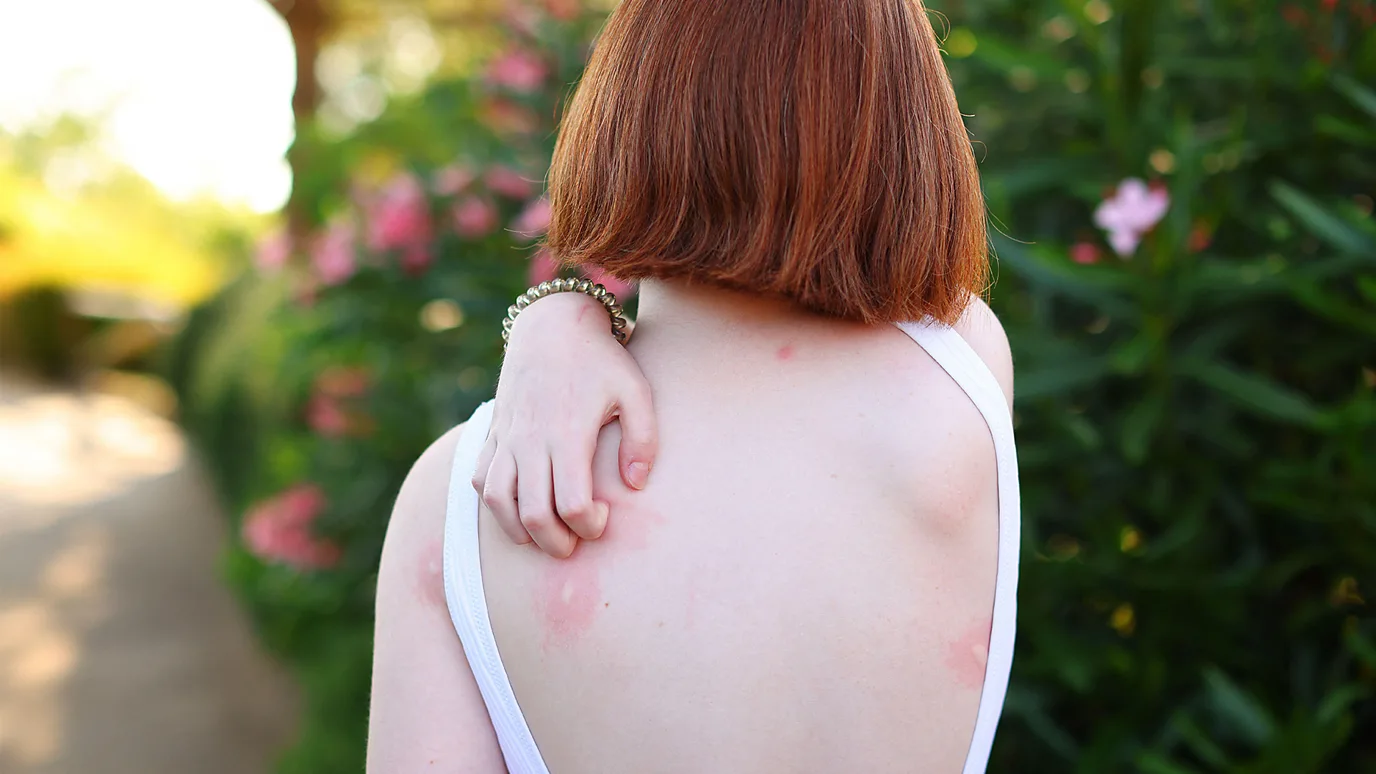
Researchers also note that reactions to mosquito bites vary from person to person. While some individuals develop large, itchy swellings, others experience only mild irritation, meaning some people may simply react more strongly even if they are bitten the same number of times.
Although some individuals are naturally more attractive to mosquitoes than others, experts advise everyone to take protective measures, as no one is completely immune to mosquito bites.




