

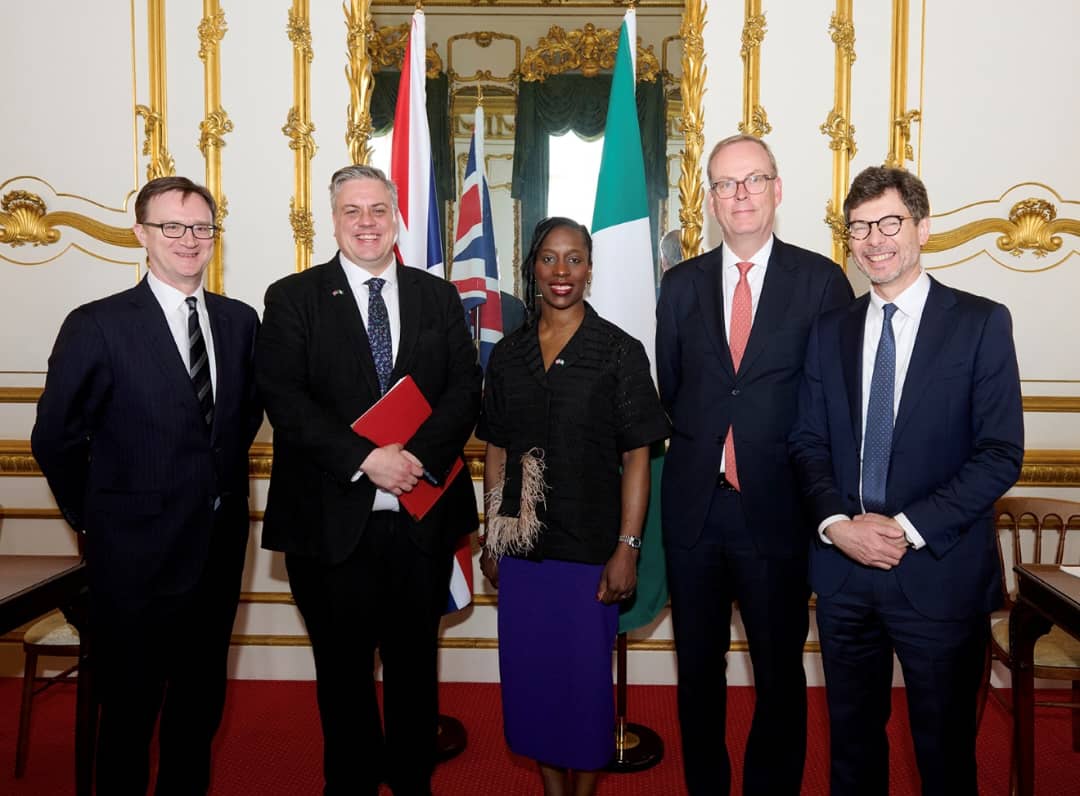
The United Kingdom and Nigeria have signed a £746 million agreement to modernise key port infrastructure in Lagos, marking a major step in strengthening bilateral trade relations. The deal, supported by UK Export Finance, will fund the refurbishment of the Lagos Port Complex at Apapa Quays and the Tin Can Island Port Complex, aiming to create thousands of skilled jobs in both countries and generate significant economic benefits.

Signed on 19 March, the agreement also includes a new Memorandum of Understanding to promote future collaboration in trade, investment, and industry. Of the total financing package, at least £236 million is allocated to British companies, including a record £70 million contract for British Steel to supply 120,000 tonnes of steel billets for the project.

Peter Kyle described the agreement as a major boost for British industry, noting that it reinforces UK manufacturing and supports long-term employment.
Dr Adegboyega Oyetola highlighted that the project aligns with Nigeria’s broader economic goals, promising modernised ports, reduced vessel turnaround times, and decreased cargo dwell times through digitalised and automated processes. He said the upgrades will strengthen Nigeria’s position as a leading maritime hub in West and Central Africa.
Allan Bell described the contract as historic for the company, calling it one of the largest ever orders for billet in the company’s history and a vote of confidence in British Steel and UK manufacturing.
The financing is coordinated by Citibank, with Richard Hodder noting the deal’s potential to deliver substantial economic benefits to Nigeria. Tim Reid added that the agreement demonstrates UK Export Finance’s capacity to unlock transformative opportunities for British businesses while supporting sustainable growth.

The partnership, alongside the new Memorandum of Understanding, is expected to improve port efficiency, lower logistics costs, and signal to global investors that Nigeria is open for trade and investment.




