

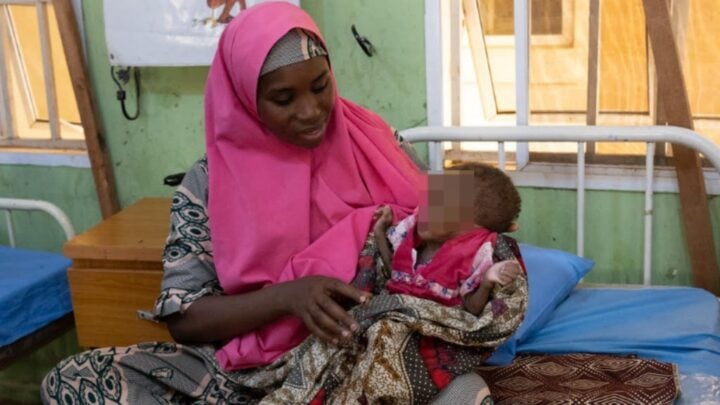
Nigeria and nine other countries affected by conflict made up nearly two-thirds of the global population facing severe food shortages in 2025, according to the 2026 Global Report on Food Crises.

The report revealed that about 266 million people across 47 countries experienced high levels of acute food insecurity during the year. This accounts for nearly a quarter of the population studied and almost double the proportion recorded in 2016.
The countries most impacted include Afghanistan, Bangladesh, the Democratic Republic of the Congo, Myanmar, Nigeria, Pakistan, South Sudan, Sudan, Syria and Yemen. Together, they represent the largest share of people suffering from severe hunger worldwide, with Nigeria, DR Congo and Sudan alone accounting for nearly one-third of the total.

The report also highlighted that famine conditions were recorded in Gaza and parts of Sudan in 2025, marking the first time two separate famines have been documented within the same year since tracking began. Yemen also saw new cases of populations facing catastrophic hunger, even though such numbers slightly declined in Gaza and Sudan.

Conflict remained the leading cause of food insecurity, affecting over 147 million people across 19 countries. In addition, extreme weather conditions—including the lingering effects of El Niño in Southern Africa, La Niña in the Horn of Africa, and tropical storms in Latin America—contributed significantly, impacting 87.5 million people in 16 countries.

Although the effect of economic shocks has reduced compared to previous years, it still played a major role in 12 countries, affecting nearly 30 million people. Rising food prices and economic instability also continued to worsen food insecurity across many regions.
The report noted that food insecurity is no longer a short-term issue but is becoming a long-term, structural challenge in many parts of the world.




