

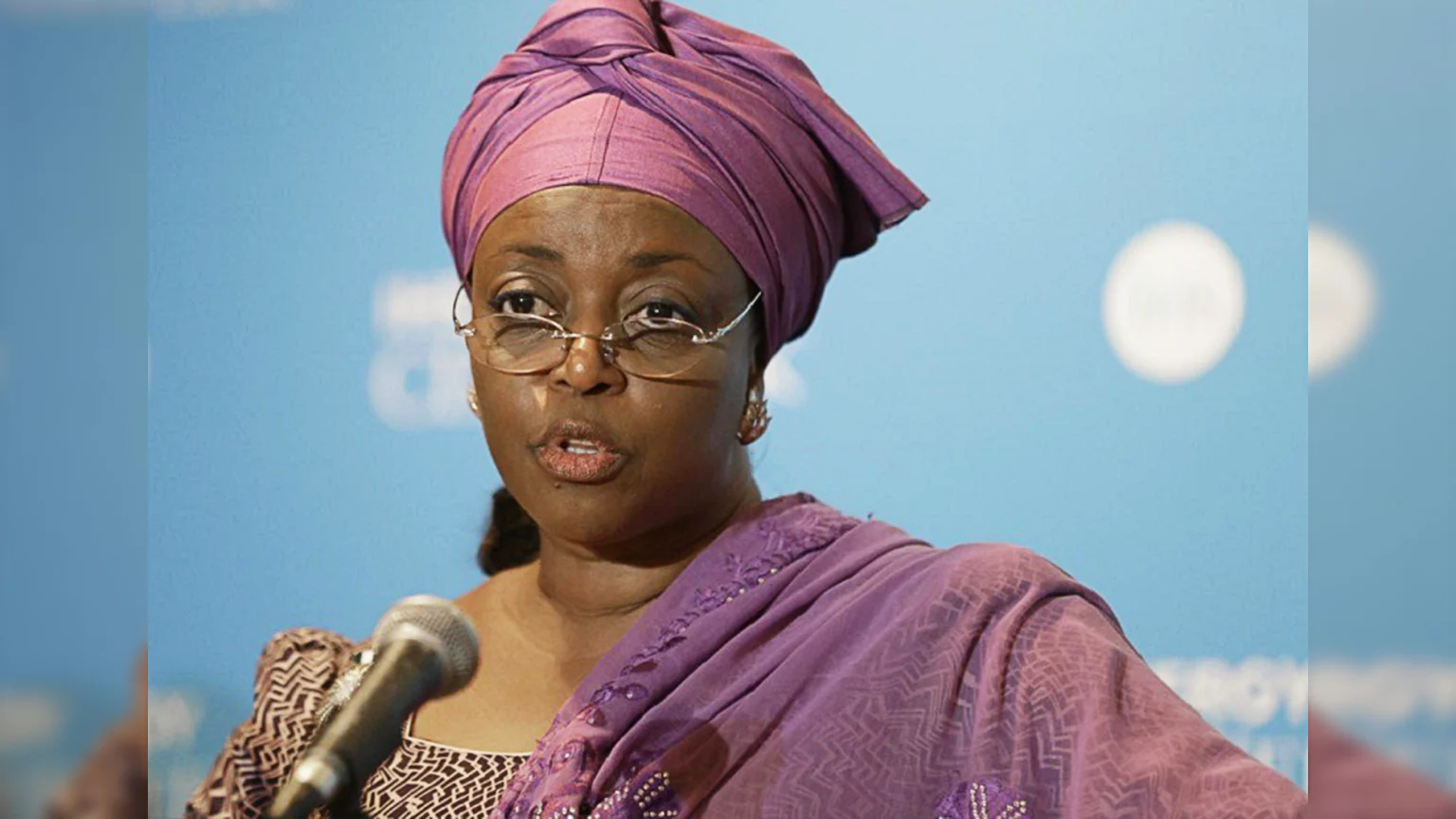
The trial of former Nigerian Minister of Petroleum Resources, Diezani Alison-Madueke, has reached its final stage at the Southwark Crown Court in the United Kingdom, with both the defence and prosecution concluding their cases and a jury now set to deliver a verdict later this week.

Alison-Madueke is being tried alongside oil executive Olatimbo Ayinde and her brother, Doye Agama, on five counts of alleged bribery. All defendants have denied the charges.
Prosecutors allege that the former minister received improper benefits, including luxury items and high-value assets, from oil sector actors in exchange for favourable treatment in the awarding of oil contracts during her tenure between 2010 and 2015.

They argued that there is no credible documentary evidence showing reimbursement or legitimate financial justification for the alleged transfers, insisting that the benefits were linked to corrupt arrangements tied to public office decisions.
The defence, however, challenged the prosecution’s case, accusing it of relying on incomplete and inconsistent evidence. Defence counsel Jonathan Laidlaw questioned the handling of materials from a 2015 raid on Alison-Madueke’s Abuja residence, alleging procedural lapses and missing documentation.

He further argued that key financial and official records that could support the defence had not been properly presented, and criticised what he described as selective use of evidence relating to investigations by Nigeria’s Economic and Financial Crimes Commission.
Prosecutors, led by Alexandra Healy, maintained that oil industry executives provided improper benefits while their companies received lucrative contracts, describing the arrangements as incompatible with public service ethics.

She also referenced a £1 million transaction allegedly linked to businessman Benedict Peters, which she said was routed through intermediaries to conceal its origin.
With both sides having completed their arguments, the jury is expected to return its verdict in the coming days.




