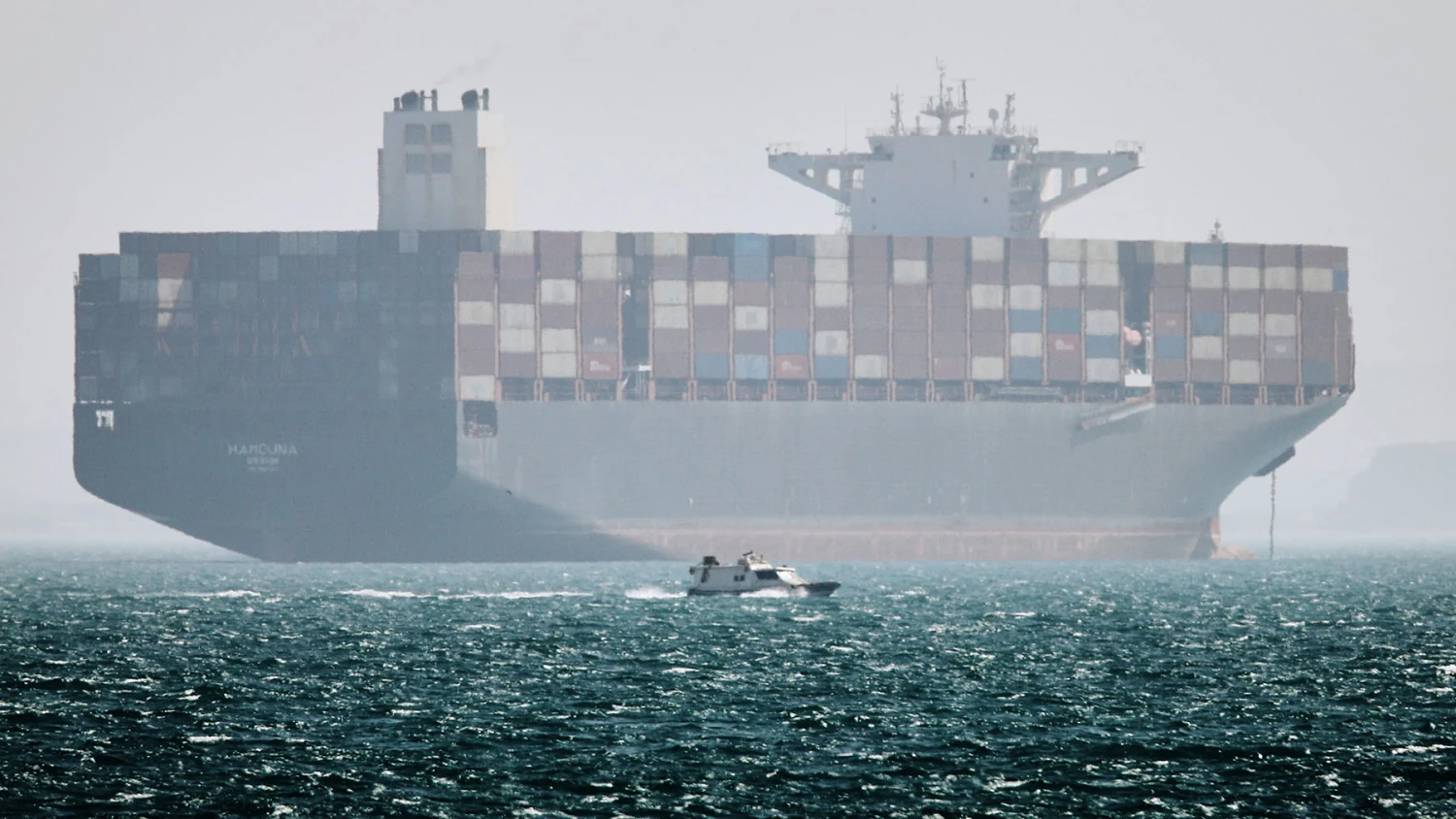
Africa’s maritime route around the Cape of Good Hope is gaining increasing global importance as major shipping companies continue to avoid the Strait of Hormuz due to ongoing instability in the Middle East.
Shipping giant Maersk has confirmed that it will maintain its decision to steer vessels away from the strategic waterway, citing persistent regional tensions and security concerns despite recent diplomatic efforts involving the United States and Iran.

In its latest operational advisory, the company described the security environment in the Middle East as highly unstable and warned that safe maritime conditions have not yet been fully restored.
Maersk stated that it would continue monitoring the situation alongside security partners before making any decision on resuming transit through the Strait of Hormuz.
The development has further reshaped global shipping patterns, with more vessels now rerouting around Africa through the Cape of Good Hope instead of using traditional Middle East and Red Sea trade corridors.

The shift began earlier this year after escalating military tensions and attacks on commercial vessels in the Red Sea forced shipping companies to reconsider routes passing through the Bab el-Mandeb Strait and Suez Canal.
As part of its response, Maersk redirected several services around southern Africa and suspended some vessel crossings through the Strait of Hormuz.
The prolonged rerouting has significantly boosted Africa’s role in international shipping and marine fuel supply operations.

Industry data indicates that approximately 11 per cent of global seaborne oil trade now passes around the Cape of Good Hope, with a large portion of shipments heading toward Asian markets, especially China.
The route is increasingly viewed as a safer alternative because, unlike narrow chokepoints such as Hormuz or Malacca, the Cape route remains an open-ocean passage that is harder to disrupt.

Shipping diversions around the Cape have also led to increased demand for bunkering and maritime services at African ports, strengthening the continent’s position within the evolving global logistics network.
Maersk officials noted that after operating under these conditions for nearly two years, the rerouting strategy is no longer considered temporary but has become part of a new operational reality for global shipping.
Despite international diplomatic efforts to stabilise the Middle East, major shipping operators remain cautious about returning to previous routes without stronger security guarantees and improved maritime safety assurances.
The continued disruption is gradually transforming Africa from an alternative shipping path into a critical global maritime and trade hub.