

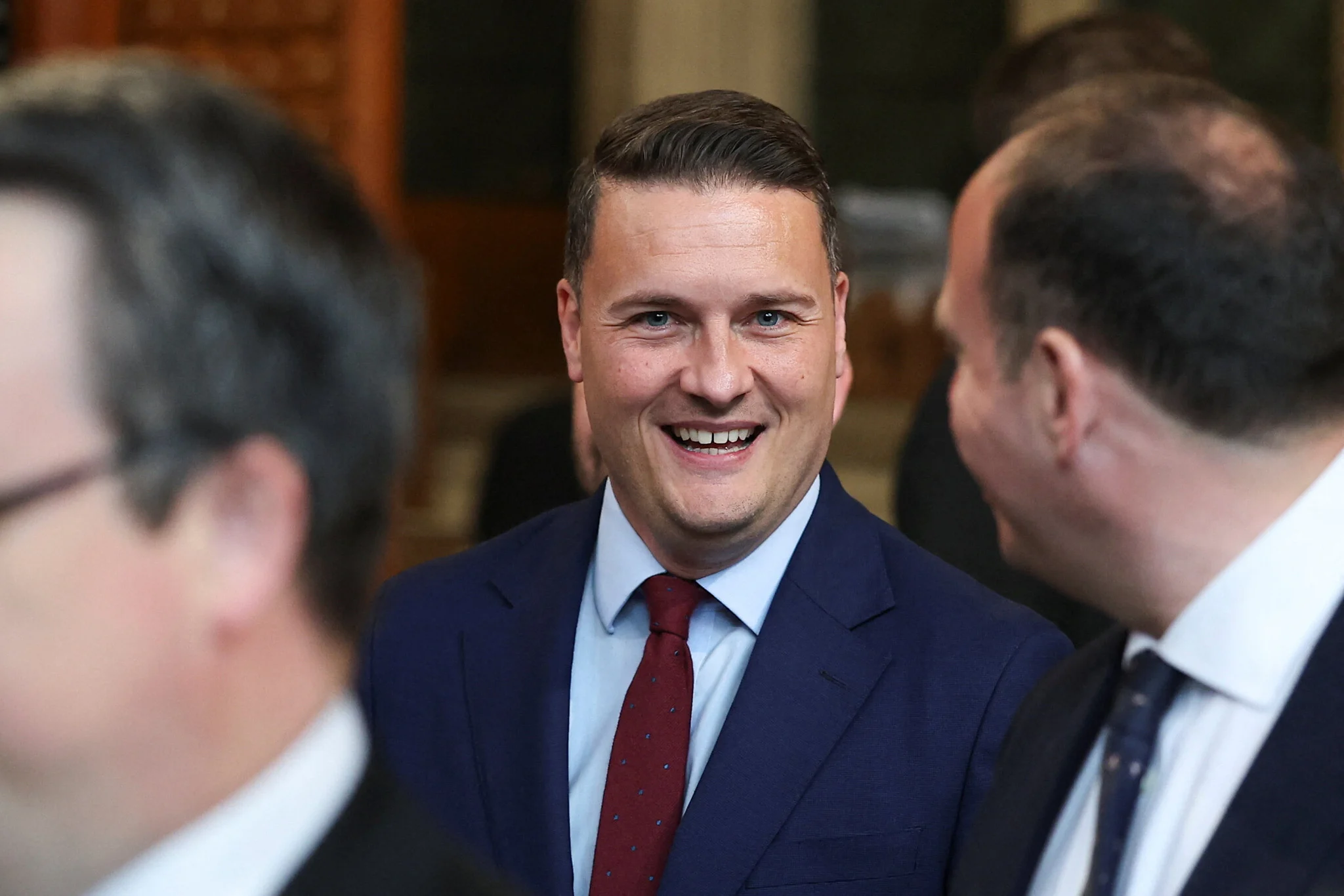
Wes Streeting has stepped down as Britain’s Health Secretary, saying he has lost confidence in Prime Minister Keir Starmer’s leadership and that remaining in government would be “dishonourable and unprincipled.”
His resignation comes after growing tensions within the Labour Party following poor election performances across parts of the UK, which have intensified internal pressure on Starmer’s leadership.

In his resignation letter, Streeting confirmed he was leaving his cabinet position but did not formally announce a bid to challenge Starmer for the party leadership. However, political observers say his move could heighten speculation about a possible leadership contest.
To trigger such a challenge, any contender must secure the backing of at least one-fifth of Labour Members of Parliament, currently about 81 MPs.
Following his resignation, Prime Minister Starmer appointed James Murray, former chief secretary to the Treasury, as the new Health Secretary.

Streeting criticised the party’s current direction, saying recent electoral setbacks had strengthened nationalist parties across the UK and raised concerns among progressive voters about Labour’s identity and vision.
He argued that the party lacked clear direction, stating that while vision was needed, the government instead faced “drift” and uncertainty about its purpose.
Streeting also claimed that Starmer may not lead Labour into the next general election in 2029, calling for a broader internal debate about the party’s future leadership and direction.

In response, Starmer expressed regret over Streeting’s departure but acknowledged that recent local election results were difficult for the party. He reaffirmed his commitment to delivering on Labour’s promises and maintaining stability in government.
Meanwhile, discussions within the party continue to intensify, with figures such as Angela Rayner and Andy Burnham also seen as potential future leadership contenders.

Streeting, who has been a prominent figure in Labour politics and currently serves as MP for an East London constituency, had been overseeing efforts to reform the National Health Service, which recently recorded improvements in waiting times under his tenure.
Despite his resignation, political analysts believe the move could accelerate internal debates over Labour’s future leadership and direction.




