


Shoko Kawata, the mayor of Yawata in western Japan, has sparked a nationwide debate after announcing plans to step away from her duties for maternity leave, becoming the country’s first serving mayor to do so.

The 35-year-old said she was surprised by the intense public reaction, which has divided opinion over whether elected officials should take time off to have children in a country grappling with declining birth rates.

Because Japan has no legal framework allowing local elected officials to formally take maternity leave, Kawata will not be on official leave. Instead, Deputy Mayor Shigeto Nose will temporarily carry out her responsibilities while she remains away.
She announced that she intends to step back from work for two months before and two months after the birth of her baby, who is expected in mid-September.
While colleagues at the city administration expressed their full support, reactions from the public have been mixed. Many praised her decision, saying it highlights the need for systems that better support pregnancy and encourages more women to pursue leadership roles.

Others, however, argued that taking an extended break from public office is inappropriate, with some suggesting elected officials should resign if they intend to take maternity leave or have their salaries reduced during their absence.
Kawata rejected the criticism, insisting that women should not have to choose between serving in public office and starting a family.
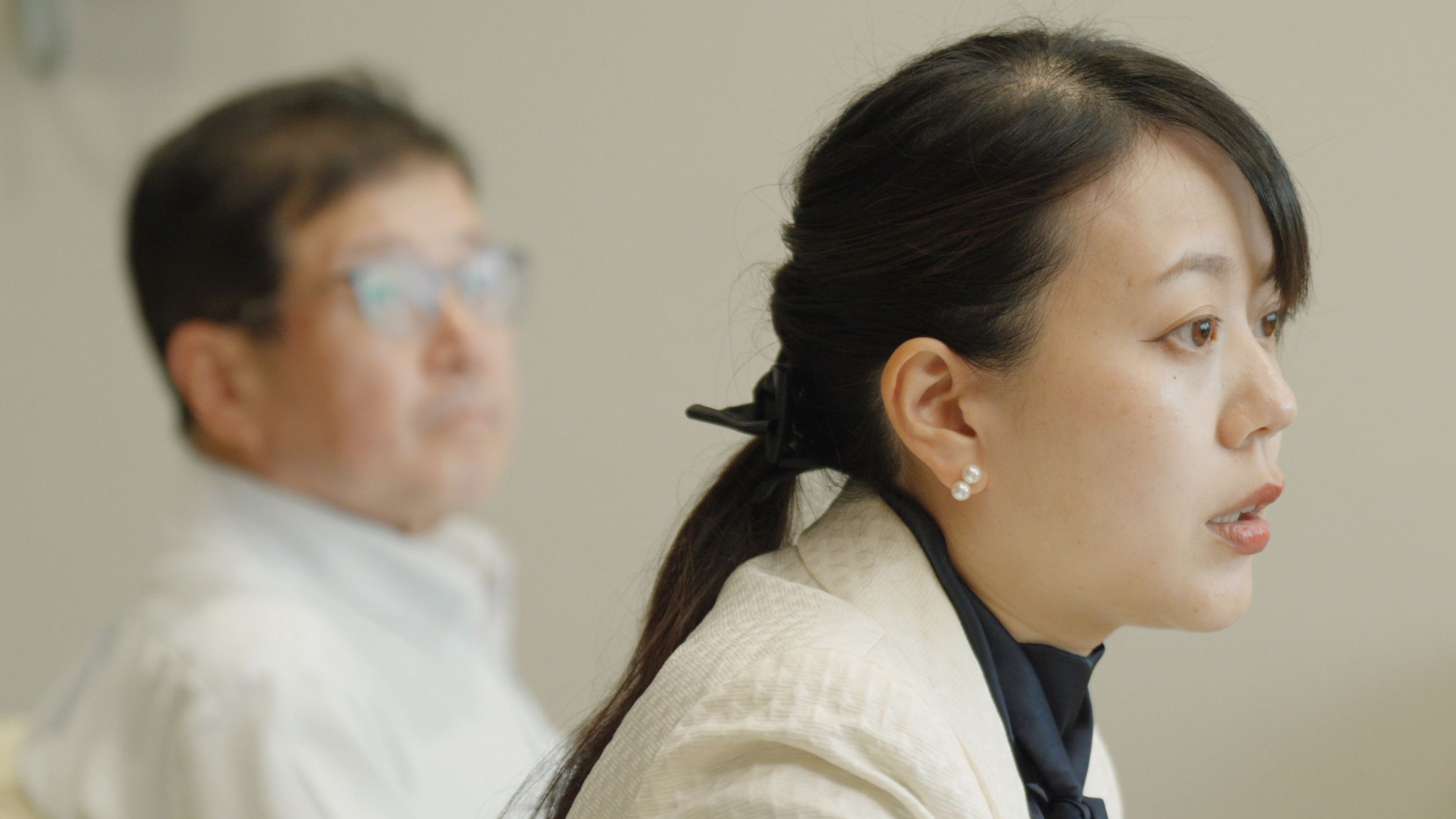
She argued that discouraging politicians from taking maternity leave would effectively exclude women of childbearing age from political leadership.
Former Akitakata mayor Shinji Ishimaru also weighed in on the discussion, saying the focus should be on ensuring government responsibilities continue smoothly during a leader’s absence rather than questioning the right to maternity leave.

Kawata, who became Japan’s youngest female city mayor at the age of 33, has built her career in a political environment where women remain significantly underrepresented. Official figures show that women account for only a small percentage of municipal leaders across the country.
The debate has also renewed attention on the challenges women face in Japanese politics. Previous government surveys identified pregnancy, gender stereotypes, and harassment among the major obstacles preventing more women from seeking political office.
Despite being one of the world’s largest economies, Japan continues to rank poorly on global gender equality indicators, particularly in political representation.

Although Japanese law provides maternity, paternity, and childcare leave for employees, Kawata’s case has highlighted the absence of similar legal provisions for elected public officials.
Deputy Mayor Shigeto Nose said he would oversee the city’s daily administration throughout Kawata’s absence while consulting with her remotely on important matters.
Reflecting on his own experience, Nose admitted he took no parental leave while raising his children and left most childcare responsibilities to his wife. He said he is encouraged to see younger generations embracing shared parenting responsibilities.
Kawata expressed hope that her decision would contribute to building a society where women no longer have to choose between pursuing a career and raising a family.




