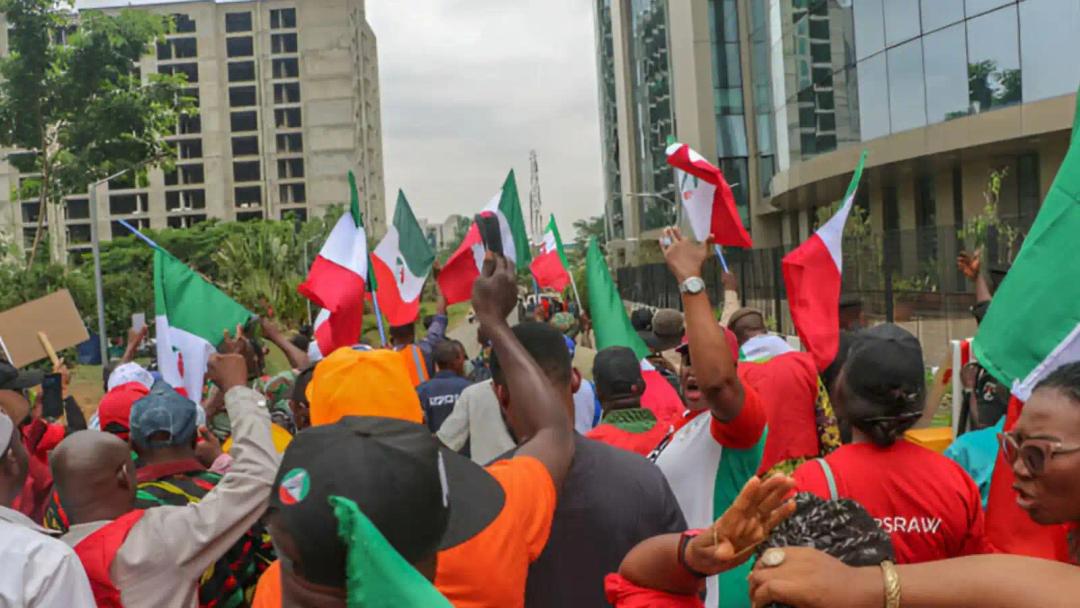
N300,000 MINIMUM WAGE DEMAND PUTS FRESH PRESSURE ON TINUBU’S ECONOMIC REFORMS
President Bola Ahmed Tinubu’s economic reforms are coming under renewed pressure as federal workers demand an immediate increase in the minimum wage from N70,000 to N300,000.
The Federal Workers Forum made the demand in a letter dated September 2, 2026, addressed to President Tinubu and the National Assembly. The group also proposed a maximum salary of N1.5 million for Level 17 officers.
According to the workers, the N70,000 minimum wage introduced in 2024 has been significantly weakened by inflation and rising living costs. They also alleged that the revised wage structure has not been fully implemented.
The forum called for an urgent review of workers’ salaries, saying the current wage is no longer enough to cope with the rising cost of food, transportation, accommodation, electricity and cooking gas.

“We call for justice and immediate wage review now, adjust the federal minimum wage to N300,000 and a maximum wage of N1.5m for the Level 17 officers,” the workers said.
Beyond the minimum wage increase, the group also demanded payment of outstanding salaries, promotion arrears and allowances. It further called for the introduction of a permanent Cost of Living Allowance and Family Support Allowance to cushion the impact of rising expenses on workers.
The demand comes amid similar concerns from the Association of Senior Civil Servants of Nigeria (ASCSN) over the declining purchasing power of civil servants.
ASCSN President, Shehu Mohammed, said the N70,000 minimum wage had already lost significant value to inflation even before its full implementation.
Mohammed noted that negotiations for another minimum wage review are expected to begin next year, urging early preparations to ensure workers secure improved pay.
He also questioned the extent to which Nigeria’s reported economic growth had translated into better living conditions for ordinary citizens, particularly civil servants.
On the rising cost of fuel, Mohammed linked the increase to the removal of fuel subsidy and Nigeria’s exposure to international market prices, while noting that the country’s refineries remain largely non-functional.
The latest wage demands are expected to further test the Federal Government’s ability to balance workers’ welfare with its ongoing economic reforms, as Nigerians continue to grapple with high living costs and reduced purchasing power.