The Federal Government has reportedly confirmed a case of Ebola virus disease in the Federal Capital Territory (FCT), Abuja, prompting health authorities to strengthen surveillance and begin monitoring people who may have come into contact with the infected patient.

According to a statement attributed to the Coordinating Minister of Health and Social Welfare, Ali Pate, the patient is a woman who recently travelled to Nigeria from Uganda on an international flight. She was reportedly treated at a private hospital in Abuja before laboratory tests confirmed the infection.
The woman has been placed in isolation and is receiving medical care, while public health officials have identified 44 close contacts for monitoring.
The development has renewed concerns about Ebola, a serious viral disease that can cause severe illness and death. Understanding how the virus spreads, recognising its symptoms and following official health advice are important steps towards reducing the risk of infection.

Although Ebola can be fatal, early medical intervention, appropriate supportive treatment and effective public health measures can improve outcomes and help contain outbreaks.
Here are nine important facts Nigerians should understand about Ebola and how to protect themselves.
1. DIRECT CONTACT WITH INFECTED BODY FLUIDS
Ebola is primarily transmitted through direct contact with the blood or other bodily fluids of a person who is infected and showing symptoms.
These fluids may include vomit, stool, urine and other secretions containing the virus. Infection can occur when contaminated fluids enter the body through cuts or broken skin, or through the eyes, nose or mouth.
People should avoid direct contact with the bodily fluids of suspected or confirmed patients. Caregivers and healthcare workers must follow appropriate infection prevention procedures when providing assistance.

2. EXPOSURE TO INFECTED WILD ANIMALS
Humans may contract Ebola through contact with infected wild animals, including certain species of bats and non-human primates such as monkeys and chimpanzees.
Fruit bats are suspected to play a role in maintaining the virus in nature, although its natural reservoir has not been conclusively established.
Handling sick or dead wild animals can expose people to infection. Nigerians should therefore avoid touching such animals, particularly in locations where an outbreak has been reported, and follow guidance from relevant health and wildlife authorities.
3. HANDLING CONTAMINATED CLOTHING AND EQUIPMENT
Objects contaminated with the bodily fluids of an infected person can also transmit Ebola.
Potentially contaminated materials include bedding, clothing, needles and medical equipment. Contact with these objects without suitable protective measures may expose individuals to the virus.
Hospitals and other healthcare facilities must maintain strict hygiene standards, safely handle contaminated materials and ensure that medical equipment is properly managed.
Members of the public should avoid handling items suspected of being contaminated by an Ebola patient.

4. CONTACT WITH THE BODY OF SOMEONE WHO DIED FROM EBOLA
A person who dies from Ebola may still have infectious bodily fluids, making direct contact with the body dangerous.
Traditional funeral and burial activities involving the touching, washing or preparation of a deceased person’s body can expose relatives and other mourners to the virus.
Communities should follow instructions from public health officials when an Ebola-related death is suspected or confirmed. Safe and dignified burial procedures help protect families while respecting the deceased.

5. FEVER, HEADACHE AND EXTREME WEAKNESS
Ebola symptoms generally develop between two and 21 days after exposure to the virus.
Early warning signs may include sudden fever, severe headache, unusual tiredness, muscle pain, joint pain, sore throat and loss of appetite.
However, these symptoms are not exclusive to Ebola. Other illnesses, including malaria and Lassa fever, can produce similar signs.
Anyone experiencing these symptoms after possible exposure should seek urgent medical guidance. Symptoms alone cannot confirm whether a person has Ebola; appropriate clinical assessment and laboratory testing are required.

6. VOMITING, DIARRHOEA AND ABDOMINAL PAIN
As Ebola progresses, patients may develop gastrointestinal symptoms such as vomiting, diarrhoea and abdominal pain.
These complications can result in significant fluid loss and dehydration, potentially worsening the patient’s condition.
Some patients may also experience a skin rash or complications affecting vital organs.
Prompt medical care is important because the disease can progress rapidly in some cases. People should not rely on home remedies or delay seeking professional assistance when Ebola is suspected.

7. BLEEDING AND OTHER SEVERE COMPLICATIONS
In severe cases, Ebola may cause unexplained bruising or bleeding, including bleeding from the nose, gums or other parts of the body.
However, bleeding does not occur in every patient. Its absence should not be interpreted as proof that someone is free from Ebola.
People who develop symptoms after possible exposure should contact health authorities or a healthcare facility immediately, even if they have not experienced bleeding.
Waiting for advanced symptoms before seeking assistance can delay diagnosis and increase the risk of exposing other people.

8. AVOID CLOSE CONTACT AND SEEK HELP AFTER POSSIBLE EXPOSURE
Anyone who believes they may have been exposed to Ebola should contact public health authorities promptly and follow their instructions.
People who develop symptoms after a possible exposure should telephone a healthcare facility before travelling there, explain their symptoms and disclose the suspected contact. This allows medical personnel to prepare for their arrival and reduce the risk of transmission.
While awaiting professional guidance, symptomatic individuals should avoid close contact with others and should not attempt to treat themselves using unverified medicines or remedies.
Treatment focuses on managing complications, replacing lost fluids and supporting affected organs. Specific antibody treatments are also available for certain types of Ebola virus disease.
Early medical care can improve a patient’s chances of survival.

9. MAINTAIN GOOD HYGIENE AND FOLLOW HEALTH ADVISORIES
Regular handwashing with soap and water, avoiding contact with potentially infectious bodily fluids and staying away from sick or dead wild animals are important preventive measures.
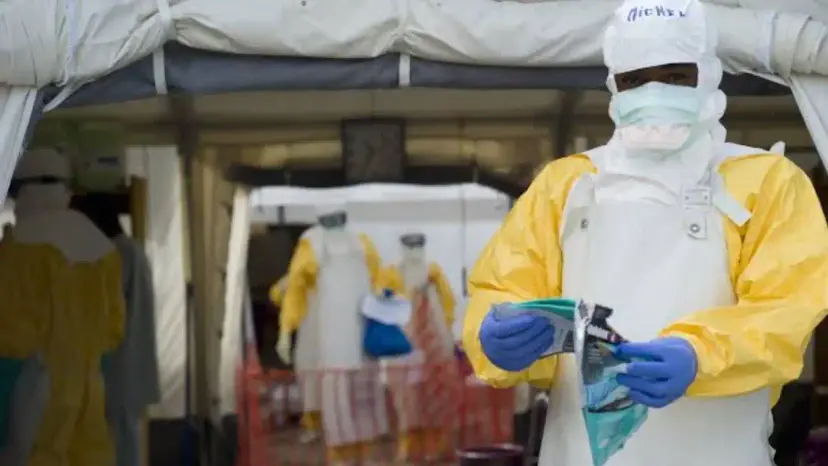
Healthcare workers and caregivers must use appropriate protective equipment and follow established infection prevention procedures when dealing with suspected or confirmed cases.
People identified as close contacts should cooperate with public health teams, observe monitoring instructions and report any symptoms immediately.
Vaccines are available against certain types of Ebola virus, but protection does not extend to every virus species. The appropriate vaccination strategy depends on the virus responsible for an outbreak and the public health circumstances.
Nigerians should also rely on verified announcements from recognised health authorities rather than unconfirmed messages circulating on social media.

GOVERNMENT STEPS FOLLOWING THE REPORTED CASE IN ABUJA
Following the reported confirmation of Ebola in the FCT, the Federal Government has called on public and private healthcare facilities to strengthen their vigilance.
The reported response includes identifying and monitoring 44 close contacts, with public health teams working to determine who may have been exposed. These contacts reportedly include healthcare workers, patients, caregivers and people linked to the patient’s travel.
The Nigeria Centre for Disease Control and Prevention (NCDC), FCT authorities and other relevant agencies are reported to be working together to contain the infection and prevent further transmission.
The government has also referred to Nigeria’s response to the 2014 Ebola outbreak, urging citizens to remain calm and cooperate with public health officials.
A confirmed case does not mean that everyone in Abuja or elsewhere in Nigeria has been exposed. Individual risk depends on factors such as direct contact with an infected person or contaminated materials.
Residents are therefore advised to avoid spreading rumours and to follow verified updates from the relevant health authorities.

Anyone who suspects exposure or develops compatible symptoms after possible contact should seek medical guidance without delay. The original report identifies the NCDC’s toll-free number as 6232, available around the clock for information and suspected-case reports; members of the public should verify the number through official NCDC channels if they need assistance.
EBOLA AND MALARIA: UNDERSTANDING THE DIFFERENCE
Ebola and malaria can share some early symptoms, including fever, headache and weakness, but they are caused by different pathogens and spread through different routes.
Ebola is caused by a virus and is transmitted mainly through contact with infectious bodily fluids. Malaria, on the other hand, is caused by Plasmodium parasites and is commonly transmitted through the bite of an infected female Anopheles mosquito.
Both diseases can become serious and require timely medical attention, but their diagnosis and treatment differ.
Because their symptoms may overlap, people should not automatically assume that a fever is caused by malaria or Ebola. Medical assessment and appropriate testing are necessary to establish the cause and determine the right treatment.
CONCLUSION
The reported Ebola case in Abuja highlights the importance of public awareness, early reporting and effective infection prevention.
Nigerians can help reduce the risk of transmission by recognising possible symptoms, avoiding contact with infectious bodily fluids, practising good hygiene and cooperating with health authorities.
Anyone who may have been exposed should seek professional guidance promptly rather than waiting for symptoms to worsen.
Accurate information, responsible public behaviour and a coordinated public health response remain essential to preventing further spread.