

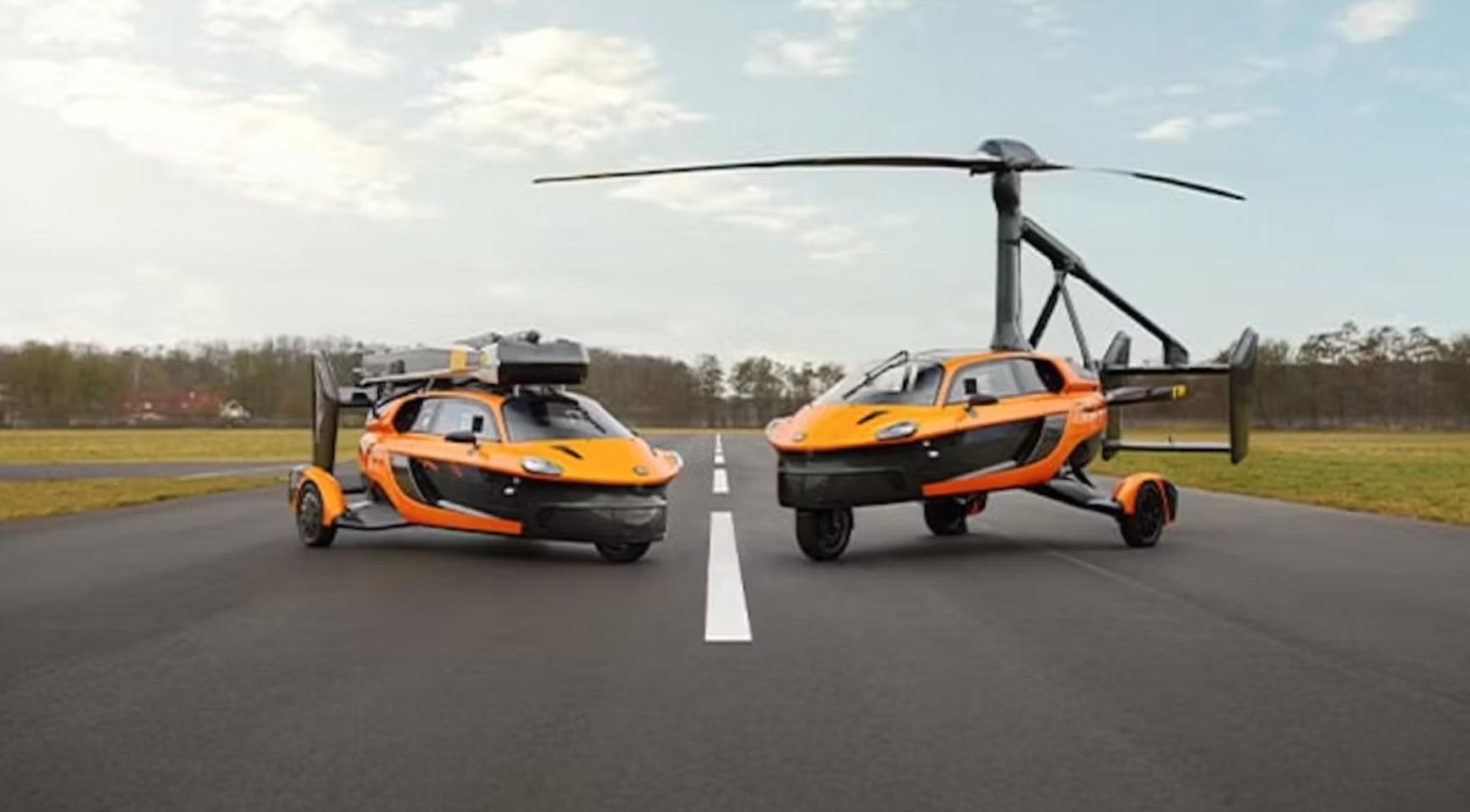
Dutch company PAL-V has received approval to begin industrial-scale production of its Liberty flying car, bringing the unusual road-and-air vehicle closer to commercial launch.
The approval, known as the Production Organisation Approval (POA), allows PAL-V to manufacture aviation products under European Union Aviation Safety Agency (EASA) regulations. The company now holds both the automotive and aviation production approvals required to manufacture the vehicle on a larger scale.

The PAL-V Liberty is a three-wheeled vehicle equipped with a foldable rotor and propeller. It can be driven on public roads and converted for flight, although it requires a runway for take-off and landing rather than being capable of vertical take-off. On the road, it can reach speeds of up to 160 kilometres per hour, while its flying range is estimated at between 400 and 500 kilometres.

However, the vehicle still needs to obtain its final aircraft type certification before it can legally take to the skies. PAL-V expects to complete that process in about a year and a half.
The company says the first deliveries to customers are expected in 2028. Its initial production capacity is already heavily committed, with the first 250 vehicles reportedly reserved, including some for the Dutch fire service.

PAL-V has been developing the Liberty since 2008 and completed its road certification in 2020. The latest production approval marks another major step toward making its flying car commercially available.




