

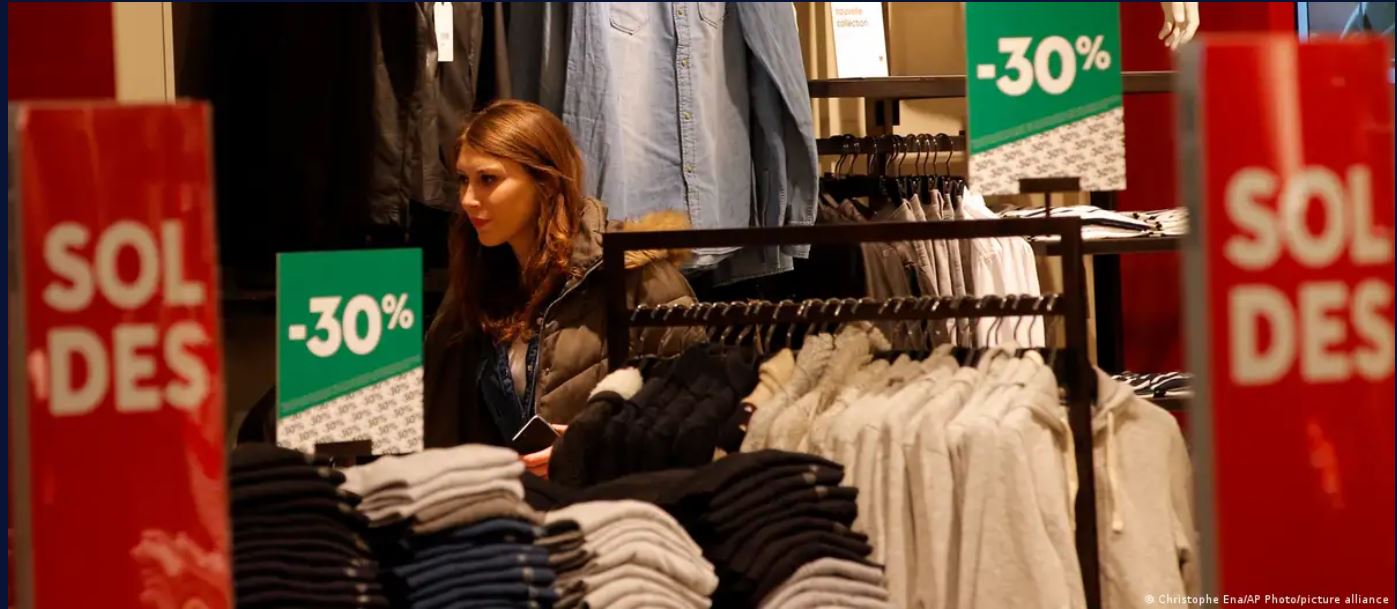
A new European Union regulation banning the destruction of unsold clothing, shoes and fashion accessories has officially taken effect, marking another step in the bloc’s efforts to reduce waste and promote sustainability.
The measure applies to large fashion companies with more than 250 employees and annual net revenue exceeding €50 million. Under the new rules, affected businesses are no longer allowed to dispose of unsold apparel, footwear and accessories unless the items are unsafe, damaged, counterfeit or have been rejected by charitable organisations.

Instead, companies are expected to explore alternatives such as selling products at discounted prices, supplying them to other markets or donating them to charity.
The regulation also requires businesses to publish yearly reports detailing the products they discard and to retain relevant records for at least five years. Medium-sized companies will be brought under the rules from 2030.

The policy is aimed at tackling the growing problem of fashion waste across the EU, where millions of clothing items are destroyed annually due to excess stock, damaged goods and returned online purchases.
Environmental authorities say the move will help reduce greenhouse gas emissions, encourage recycling and support a more circular economy by extending the lifespan of textile products.

While many environmental advocates have welcomed the regulation, some retail industry representatives have warned that implementing the new requirements could present logistical and financial challenges, particularly for products that are difficult to resell or donate.




