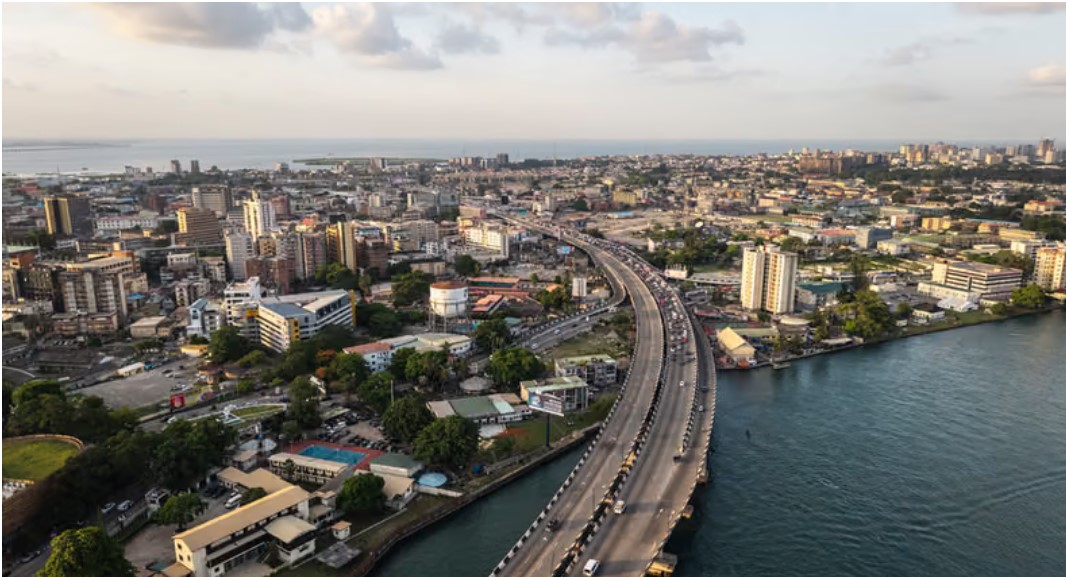
Nigeria is projected to remain Africa’s third-largest economy in 2026, with a gross domestic product (GDP) of $386.67 billion, according to the International Monetary Fund’s (IMF) October 2026 World Economic Outlook. The latest projections place Nigeria behind South Africa and Egypt, as years of naira depreciation have reduced the dollar value of its economic output despite continued domestic growth.

South Africa ranks first with a projected GDP of $489.08 billion, followed by Egypt at $442.89 billion, while Nigeria occupies third place. The figures leave Nigeria approximately $102.41 billion behind South Africa and $56.22 billion behind Egypt. Nigeria previously held the position of Africa’s largest economy, particularly after its 2014 GDP rebasing exercise, but successive declines in the value of the naira have affected its standing in dollar-based rankings.

The administration of President Bola Tinubu introduced foreign exchange reforms in 2023 to address distortions in the currency market, improve access to foreign exchange and attract investment. However, the naira’s depreciation following the changes increased the local cost of imports, foreign debt obligations and other business expenses. Despite these pressures, the IMF projects that Nigeria’s real GDP will grow by 4.2 per cent in 2026, exceeding South Africa’s projected growth rate but remaining below the expected pace in countries such as Ethiopia, Tanzania and Uganda.

Nigeria’s economy continues to receive support from oil, financial services, telecommunications, agriculture and its expanding digital sector. The 2025 GDP rebasing exercise also broadened the coverage of economic activities to include digital services, informal businesses, insurance and modular oil refining. However, unreliable electricity, infrastructure gaps, high financing costs and weak purchasing power remain challenges for businesses and households. The Dangote Refinery is among the country’s major industrial investments, with the potential to reduce reliance on imported petroleum products and ease foreign exchange demand.

Despite its economic size, Nigeria continues to face significant poverty challenges. The IMF estimated in its June 2026 assessment that poverty had reached 63 per cent under Nigeria’s national poverty measure, highlighting the gap between overall economic output and living standards. Although the country retains considerable economic potential through its population, energy resources and services sector, persistent economic pressures continue to limit the benefits of growth for many Nigerians.